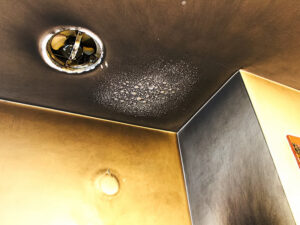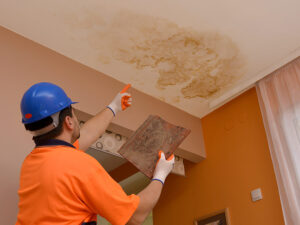
Ceiling water damage can range from a small stain to a serious structural hazard that compromises your home’s safety and value. In many cases, a visible sagging ceiling or discoloration signals a deeper issue like a hidden leak in your roof or plumbing. Understanding the severity and potential impact on your home helps you address the problem promptly and effectively.
According to Krapf Legal, about 1 in 60 U.S. homes files a water damage claim each year, making water-related issues one of the most common and costly home insurance claims.
Are you noticing moisture, stains, or bulges on your ceiling and wondering what they mean? They’re often early signs of a leak or moisture intrusion and can lead to mold, weakened structure, or collapse if left unchecked.
Let’s look at the causes, risks, and solutions tied to ceiling water damage so you can protect your property and peace of mind.
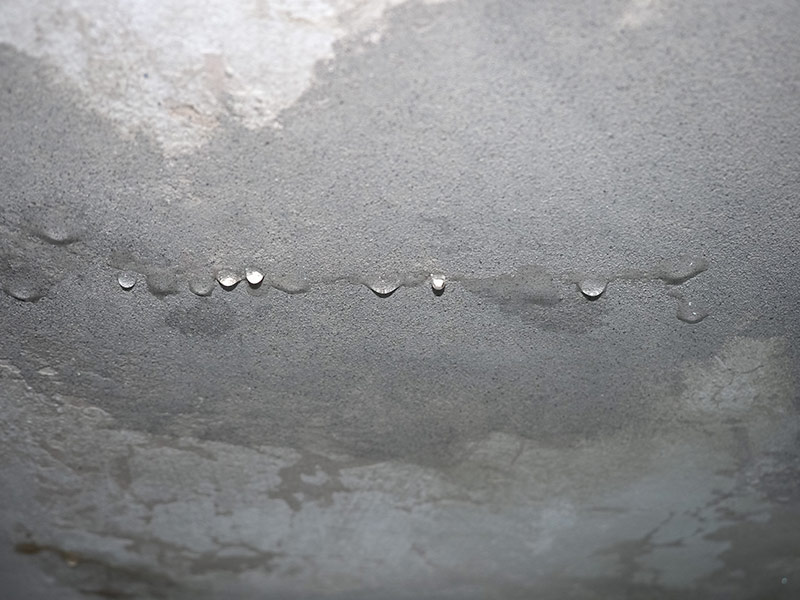
Can a Water-Damaged Ceiling Be Fixed?
A water-damaged ceiling can often be fixed, though the outcome depends on how long the moisture has been present and how far it has spread. Minor ceiling water damage may only affect the surface, while severe cases can weaken the building’s structure and create safety risks.
Three main factors determine whether repairs are possible:
- Extent of the damage
- Ceiling material type
- Hidden safety risks
Extent of the Damage
Small stains or light discoloration often point to early-stage water damage ceiling issues. In these cases, repairs may involve drying the area, sealing stains, and repainting.
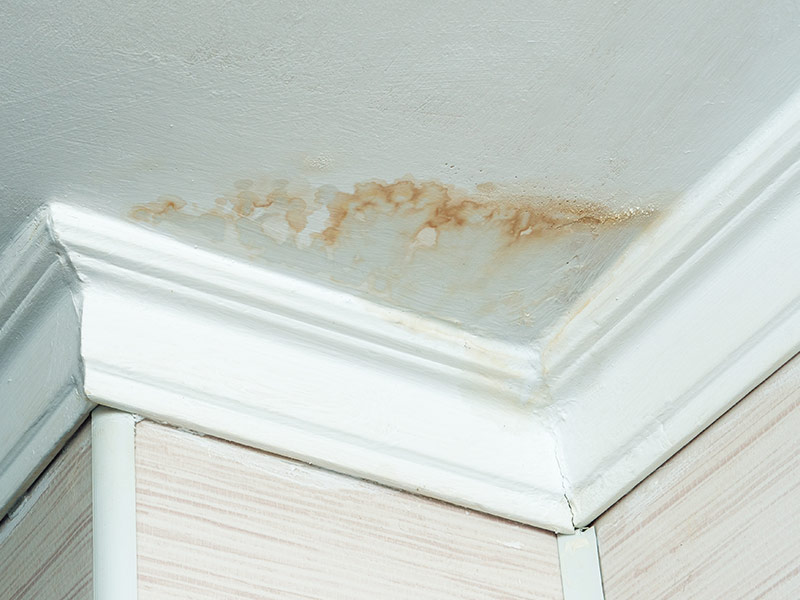
Sagging drywall, bubbling paint, or crumbling plaster suggest deeper saturation. When moisture reaches framing or insulation, simple patching won’t hold.
Ongoing exposure increases the dangers of water damage, including mold growth and loss of strength. Repairs remain possible, yet they become more involved and costly as damage spreads.
Ceiling Material Type
Ceiling materials respond differently to moisture. Drywall absorbs water fast and loses integrity once soaked. Plaster ceilings resist moisture longer, though they crack and loosen when water sits too long.
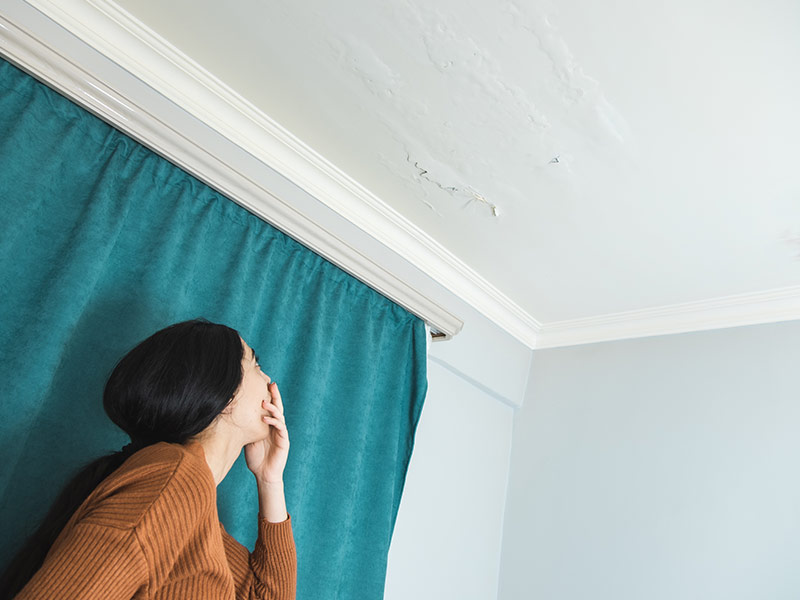
Wood ceilings may warp or rot, while ceiling tiles often stain and sag beyond repair. Identifying the material helps decide whether replacement works better than restoration for ceiling water damage.
Hidden Safety Risks
Water rarely stops at the surface. Moisture can pool above the ceiling, soaking insulation or wiring. Electrical lines exposed to water raise fire risks, while wet framing may fail without warning.
Signs that point to concealed problems include recurring stains, musty odors, or uneven ceiling surfaces. In these situations, repairs are possible, yet inspection is needed to reduce long-term hazards tied to ceiling water damage.
Will a Water-Damaged Ceiling Dry Out?
A water-damaged ceiling can dry out under the right conditions, though drying alone doesn’t always solve the problem. Moisture often spreads beyond what you can see, which leaves parts of the water-damaged ceiling wet long after the surface looks normal.
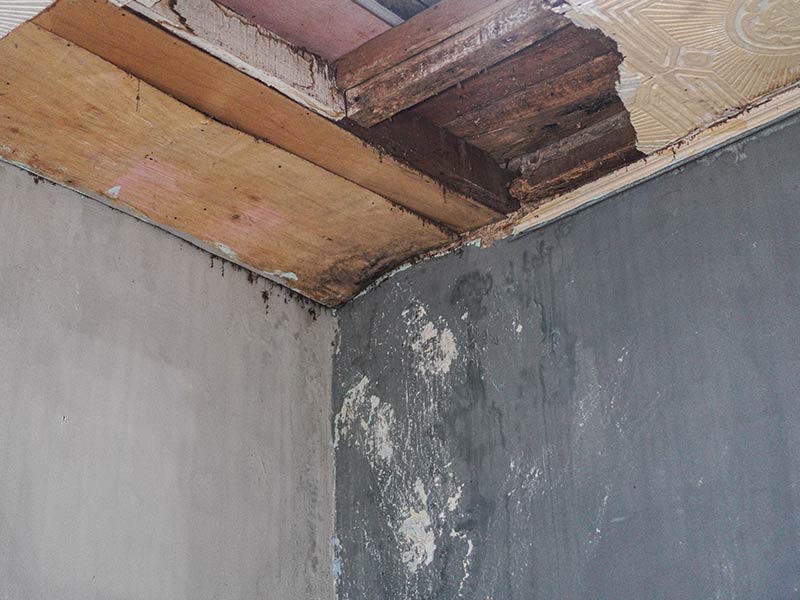
Drying time depends on how much water entered the ceiling and where it traveled. A small leak that stops quickly may allow the ceiling surface to dry within days.
Air movement, indoor humidity, and room temperature all play a role. When water reaches insulation or framing, moisture stays trapped longer. Those materials hold water and slow evaporation, which increases the risk of future damage.
Surface dryness can give a false sense of relief. Paint may harden, and stains may fade, yet moisture can remain above the ceiling. That hidden dampness supports mold growth and weakens materials over time.
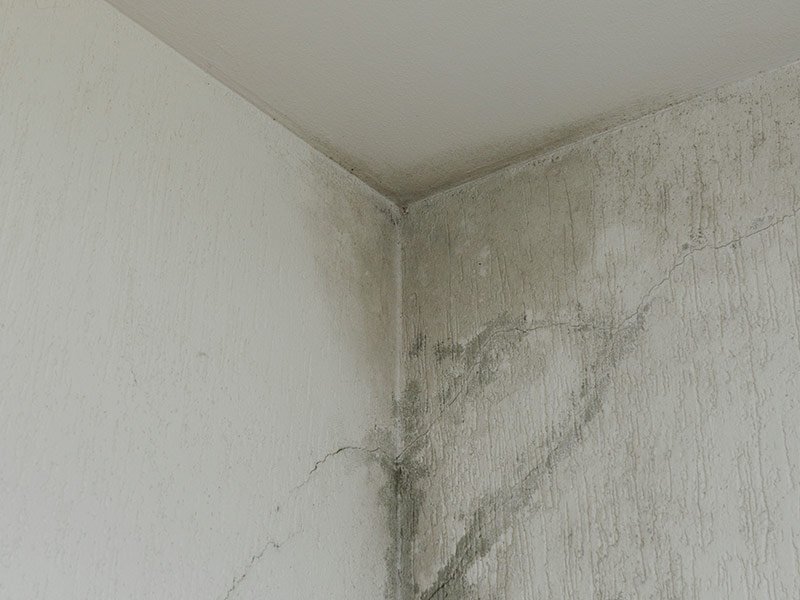
Signs of concealed water damage often appear weeks later. Homeowners may notice:
- recurring stains
- soft spots
- peeling paint
- a musty smell that doesn’t go away.
Those changes suggest moisture never fully left the space.
Drying without removing trapped water rarely fixes the issue. Dehumidifiers and fans help reduce surface moisture, though they can’t pull water from soaked insulation or wood.
In many cases, parts of the ceiling need to be opened so wet materials can dry or be replaced. Moisture meters help confirm whether a ceiling has fully dried.
Common Ceiling Water Leak Causes Homeowners Overlook
Ceiling water damage can often be traced back to problems that stay hidden for long periods. Many homeowners focus on visible stains and overlook the source above the ceiling that continues feeding moisture into the space.
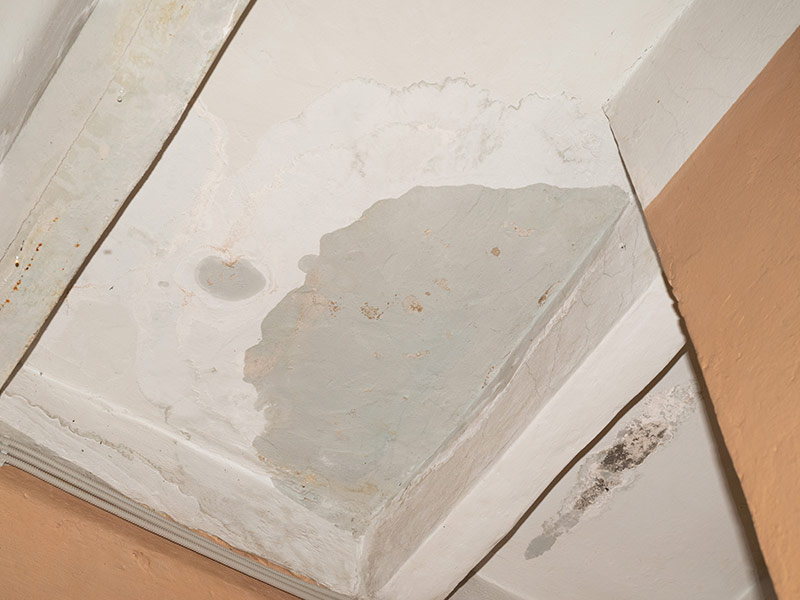
There are four common ceiling water leak causes that often go unnoticed:
- Roof and exterior failures
- Plumbing problems above ceilings
- Appliance and fixture leaks
- Condensation and ventilation issues
Roof and Exterior Failures
Roof-related leaks remain a leading source of ceiling water damage. Worn shingles, damaged flashing, or small gaps near vents allow rain to enter slowly.
Water may travel along beams before reaching the ceiling, making the source hard to spot. Seasonal storms and melting snow can worsen these leaks, especially on older roofs.
Plumbing Problems Above Ceilings
Pipes that run through ceiling cavities often leak without warning. Supply lines, drain pipes, or joints may crack or loosen over time.
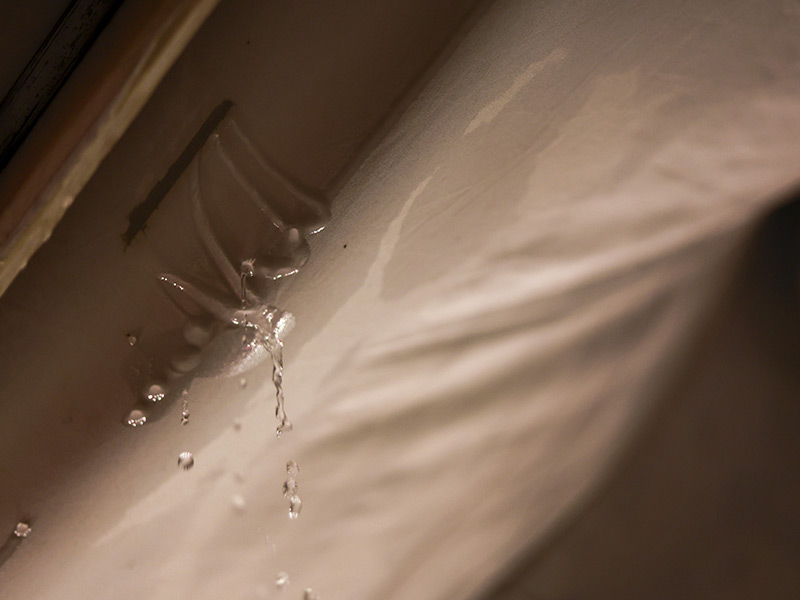
Small drips can soak insulation and drywall long before stains appear. Water-damaged ceiling issues tied to plumbing often show up under bathrooms, kitchens, or laundry rooms.
Appliance and Fixture Leaks
Appliances that use water can leak into the ceiling spaces below. Washing machines, dishwashers, and water heaters may release slow leaks that spread unnoticed.
Bathroom fixtures, like tubs or showers, can leak at seals or drains. Water often pools around the framing before showing signs on the ceiling surface.
Condensation and Ventilation Issues
Poor airflow creates moisture buildup that leads to ceiling water damage. Bathrooms and kitchens without proper exhaust fans allow steam to rise and collect above the ceiling.
HVAC systems may create condensation when ducts lack insulation. Over time, repeated moisture exposure weakens ceiling materials and causes staining.
Health and Structural Dangers of Water Damage
Ceiling water damage creates more than a surface problem. There are four major dangers of water damage linked to ceiling leaks:
- Mold and air quality concerns
- Structural weakening
- Electrical hazards
- Risk of ceiling collapse
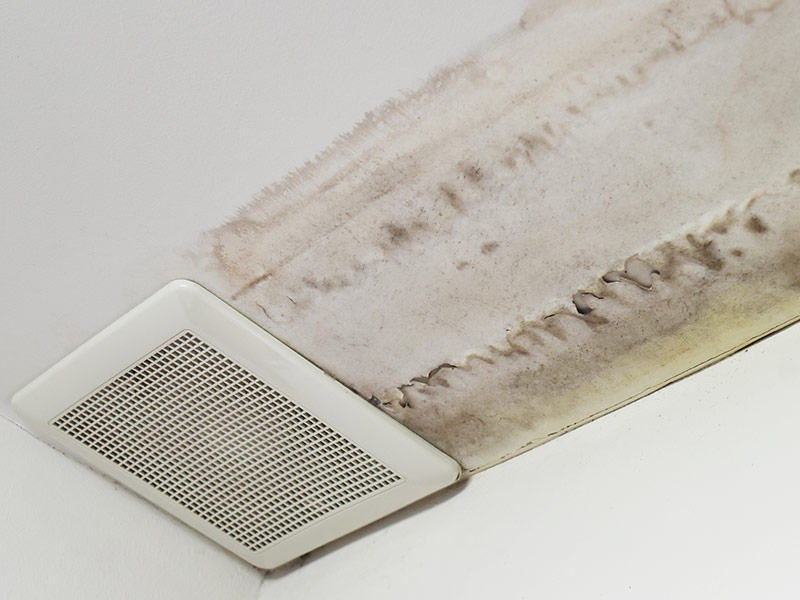
Mold and Air Quality Concerns
Moist ceilings provide ideal conditions for mold growth. Spores spread through the air and affect indoor air quality.
People may experience coughing, headaches, or irritation of the eyes and throat. Children, older adults, and those with allergies often feel symptoms first.
Ceiling water damage that stays damp increases the chance of hidden mold colonies above the ceiling surface.
Structural Weakening
Water slowly breaks down building materials. Drywall softens and loses strength. Wood framing absorbs moisture and begins to rot.
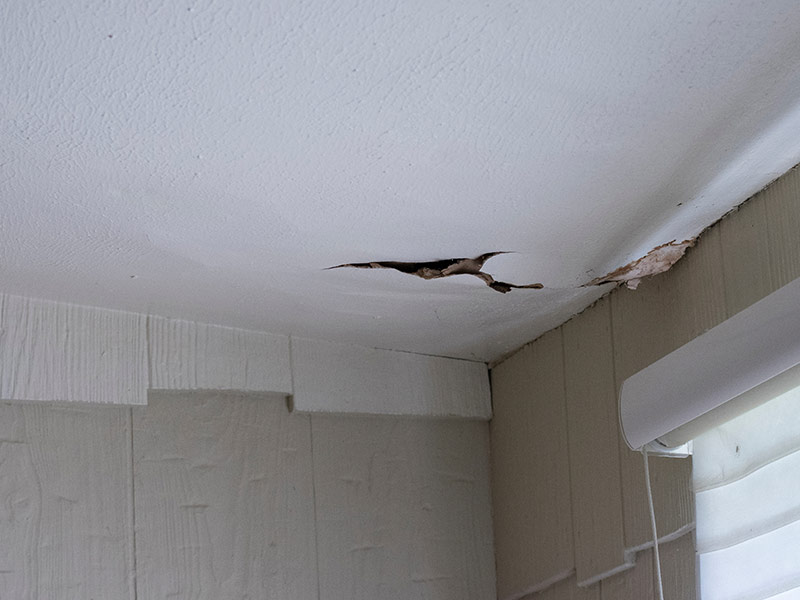
Over time, repeated exposure causes beams and joists to weaken. Structural damage often progresses without visible warning signs. A ceiling may appear stable while supports above it deteriorate.
Electrical Hazards
Electrical wiring often runs through ceiling cavities. Water contact with wiring raises the risk of short circuits or fire. Damp insulation near electrical lines worsens the danger.
Flickering lights, buzzing sounds, or tripped breakers may signal trouble tied to ceiling water damage. Electrical risks often remain hidden until serious damage occurs.
Risk of Ceiling Collapse
When moisture saturates ceiling materials, the weight increases. Drywall panels may sag or bow under the added load. Fasteners loosen as materials soften.
In severe cases, sections of the ceiling can fall without warning. Collapse risks rise when leaks continue untreated or when water damage ceiling problems return after repairs.
How to Fix Ceiling Leaks the Right Way
Fixing a ceiling leak takes more than patching a stain or repainting damaged drywall. There are four key steps involved:
- Identifying the leak source
- Stopping active water flow
- Repairing damaged ceiling materials
- Verifying the repair holds
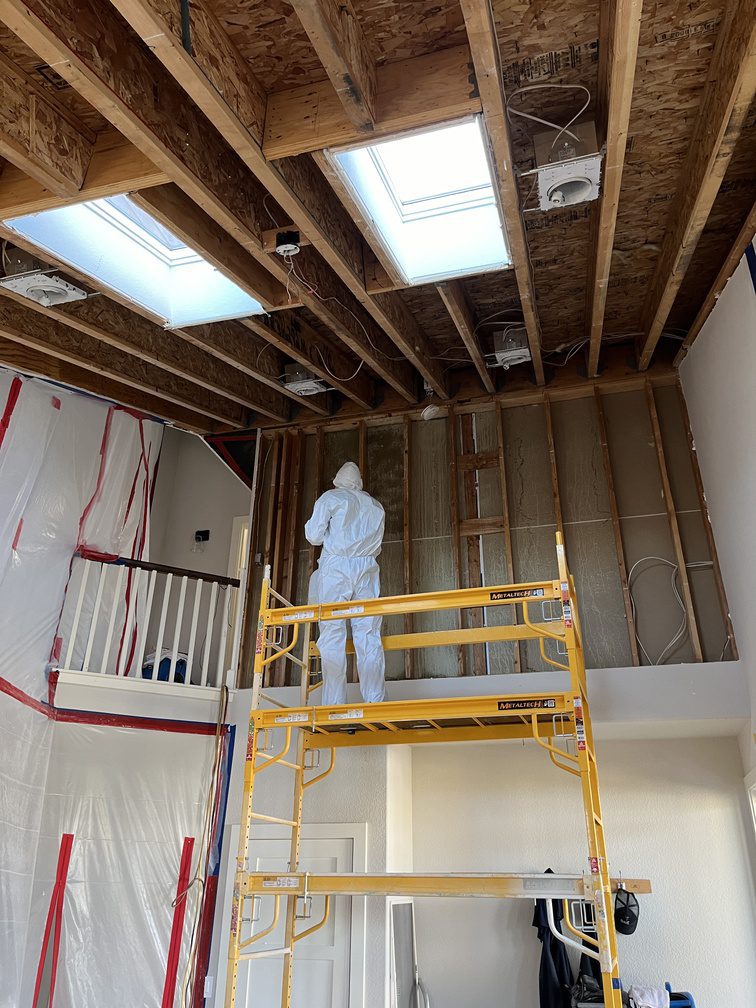
Identifying the Leak Source
Finding the origin of the leak sets the foundation for proper repair. Water often travels before it appears on the ceiling.
Roof openings, plumbing lines, and HVAC systems remain common sources. Inspecting above the damaged area helps narrow the cause.
Stains that reappear after drying often point to a missed source. Accurate identification reduces repeat water damage ceiling problems.
Stopping Active Water Flow
Repairs shouldn’t begin while water still enters the ceiling. Shutting off water lines, sealing roof openings, or correcting appliance leaks prevents further spread.
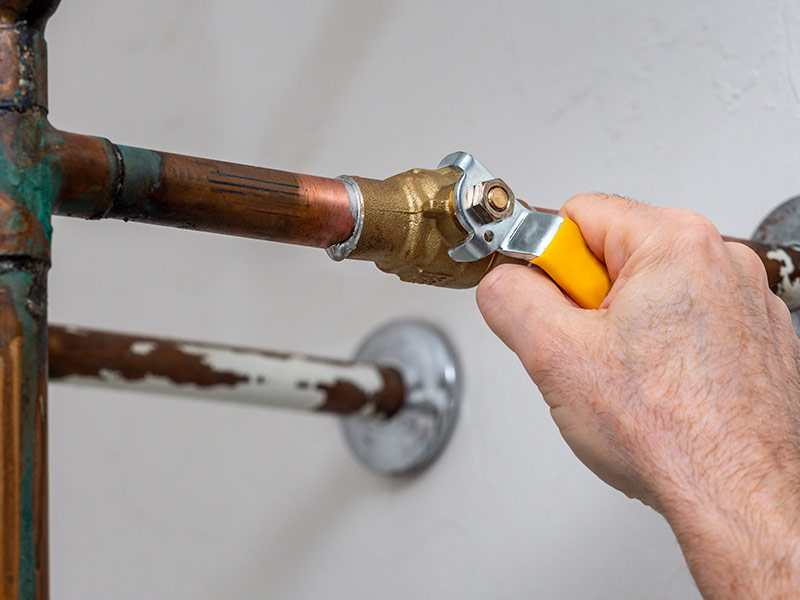
Temporary fixes may slow damage, yet they rarely stop it fully. Water exposure continues to weaken materials until the source is resolved.
Repairing Damaged Ceiling Materials
Once moisture stops, damaged materials need attention. Drywall that feels soft or sags usually needs replacement.
Minor stains may respond to drying, sealing, and repainting. Insulation soaked with water often requires removal. Leaving wet materials in place leads to lingering odors and structural decline.
Verifying the Repair Holds
A finished repair should include follow-up checks. Monitoring the ceiling for new stains or texture changes helps confirm success.
Moisture meters can confirm dryness inside ceiling cavities. Reappearing marks suggest deeper issues remain.
Preventing Ceiling Water Damage Before It Starts
Preventing ceiling water damage starts with awareness and routine care. There are a few practical ways homeowners can lower the risk of ceiling water damage:
- Routine inspections and maintenance
- Proper ventilation and humidity control
- Monitoring plumbing and appliances
- Early detection and monitoring tools
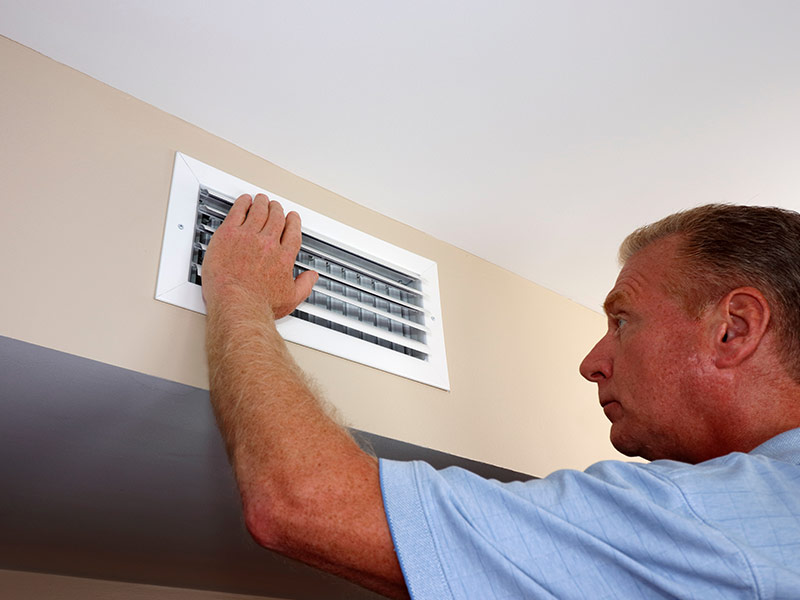
Inspections and Maintenance
Regular inspections help catch issues before water reaches the ceiling. Roofs benefit from seasonal checks for loose shingles, worn flashing, or clogged gutters.
Plumbing lines should be inspected for corrosion or slow drips, especially in older homes. Addressing minor wear early supports preventing ceiling water damage over time.
Ventilation and Humidity Control
Moisture buildup from daily activities can harm ceilings. Bathrooms and kitchens need working exhaust fans that vent outdoors.
Attics require balanced airflow to reduce condensation. Indoor humidity levels should stay within a safe range to limit moisture accumulation above ceilings.
Monitoring Plumbing and Appliances
Appliances that use water deserve close attention. Washing machines, dishwashers, and water heaters should be checked for leaks at connections and hoses.
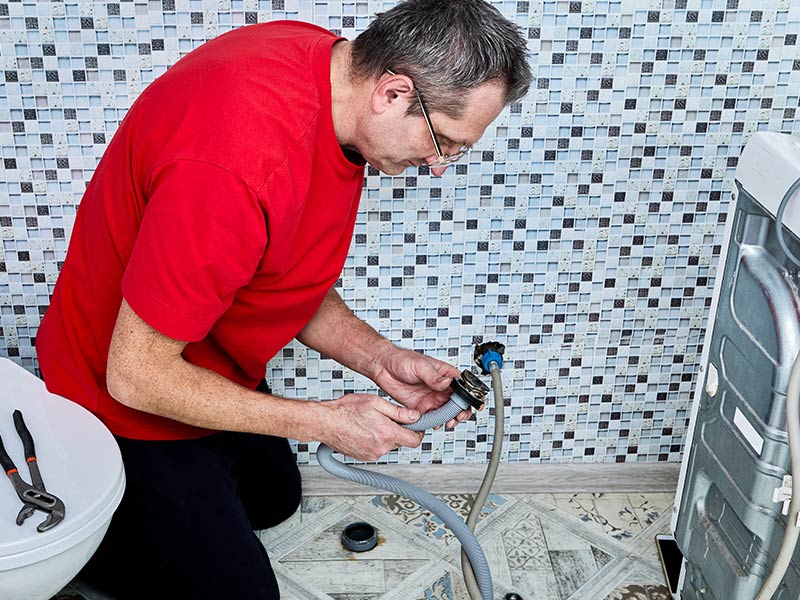
Bathroom fixtures benefit from periodic seal inspections. Early attention reduces repeated ceiling water damage from unnoticed drips.
Early Detection and Monitoring Tools
Leak detection devices offer added protection. Sensors placed near plumbing lines or appliances alert homeowners when moisture appears.
Visual checks for stains or texture changes support early discovery (go here for 20 photos of water damage signs). Catching leaks early plays a key role in preventing ceiling water damage and preserving ceiling integrity.
Protect Your Home From Water Damage
Ceiling water damage can affect more than a home’s appearance. Early detection, proper repairs, and routine prevention reduce long-term risks.
At 24-7 Restoration, we’re proud to serve the communities we call home by helping protect the homes and businesses that keep them strong. As local homeowners ourselves, we treat every property with care and respect.
Through ongoing training, industry certifications, and active community involvement, we work hard to deliver dependable emergency restoration services and earn our role as a trusted partner when unexpected damage occurs.
Get in touch today to find out how we can help with your restoration needs!