Wildfires in Boulder are no longer rare, becoming more frequent, fast-moving, and devastating. From creating defensible space to understanding evacuation plans, taking farsighted steps can make the difference between a total loss and a close call.
As climate change intensifies and the region remains prone to dry, windy conditions, the risks to homes and communities increase with each passing year. The time to act is now, not when flames are visible.
Whether you live in the foothills or a suburban neighborhood, preparation is your best defense. The more you know how to take control of your safety and secure your property, the easier it will be to achieve peace of mind before it’s too late.
Is the Threat of Wildfires in Boulder Serious?
Boulder is known for its natural beauty. It boasts the following and more:
- Lush pine forests
- Winding trails
- Picturesque foothills
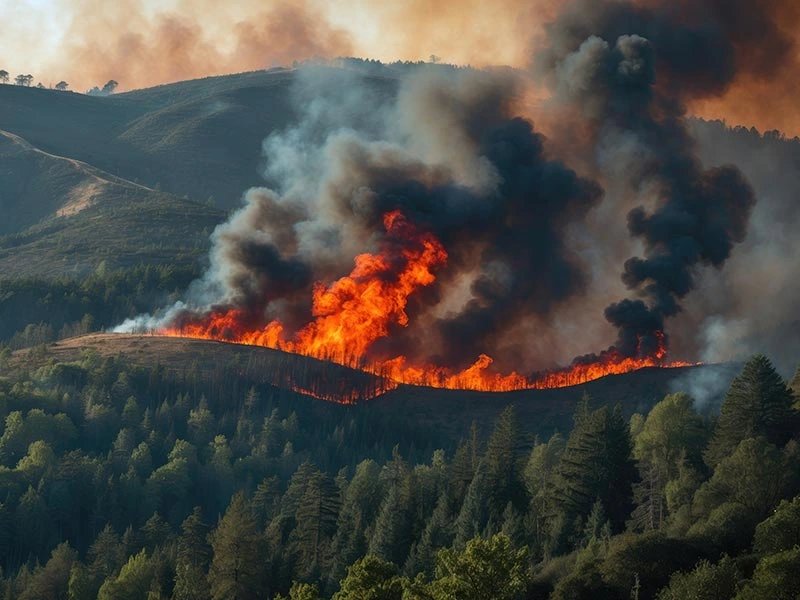
However, this landscape, while stunning, is also highly flammable. Over the last two decades, wildfires in Boulder have grown in frequency and intensity. Events like the Fourmile Canyon Fire and the Marshall Fire have highlighted just how quickly devastation can strike.
The region’s unique combination of high winds, dry vegetation, and steep terrain makes it a perfect storm for wildfires. Even areas that appear safe can become vulnerable with just a few dry days and a spark. The Boulder fire preparation process must begin long before the fire season starts.
Step 1: How Do I Assess the Risk?
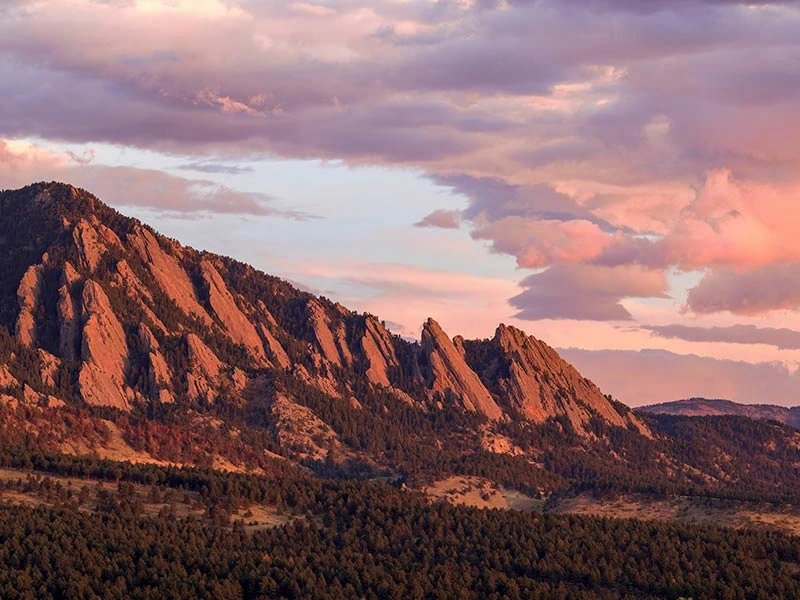
Before you can take action, you need to understand the risks specific to your location. Are you near wildland areas? Is your home on a slope where fire can climb easily?
Use Boulder County’s wildfire perimeters map, or the wildfires story map, or consult with local fire departments to evaluate your home’s exposure. Homes in the wildland-urban interface (WUI) are especially at risk and require advanced protection strategies.
Knowing your risk is the first step toward resilience.
Step 2: Create Defensible Space Around Your Property
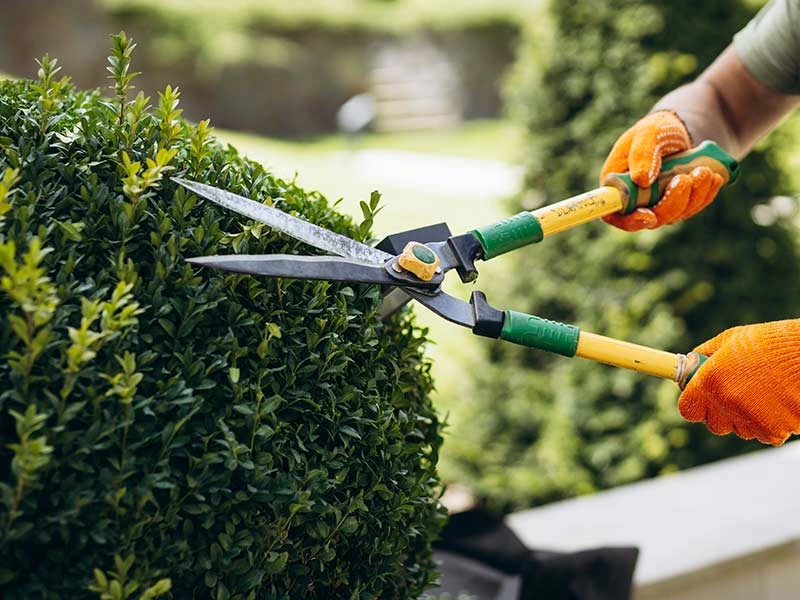
Creating defensible space means clearing flammable materials around your home to slow or stop the spread of wildfire. Colorado guidelines recommend maintaining three zones:
- Zone 1 (0-5 feet): Remove all flammable vegetation, wood mulch, and items like firewood piles.
- Zone 2 (5-30 feet): Trim trees, mow grass short, and keep vegetation spaced apart.
- Zone 3 (30-100 feet): Reduce the density of shrubs and trees, and eliminate ladder fuels that allow fire to climb.
This is one of the most effective ways to protect property from fire and is often required by insurance companies and local ordinances.
Firefighters are more likely to defend homes with well-maintained defensible space.
Step 3: How Can I Fortify My Home?
Not all homes are built to withstand wildfire. Retrofitting your structure with fire-resistant materials greatly increases your odds. Here’s what to focus on:
- Roof: Use non-combustible materials like metal, tile, or asphalt shingles rated Class A.
- Vents: Cover attic and foundation vents with 1/8-inch mesh to block embers.
- Windows: Double-pane or tempered glass helps resist breakage from heat.
- Siding: Consider stucco, fiber cement, or other ignition-resistant materials.
- Decks and Fences: Keep these areas free of debris and built from fire-rated materials.
Many of these upgrades qualify for state or local incentive programs and help meet Boulder home fire safety standards.
An ember-resistant home can mean the difference between survival and destruction.
Sealing Vulnerabilities and Upgrading Critical Features
In addition to structural materials, it’s a good idea to focus on the smaller details where fire can gain entry. Even a single ember can cause a whole home to ignite during wildfires, and embers often find their way into the following areas that homeowners overlook:
- Gaps
- Cracks
- Other small openings
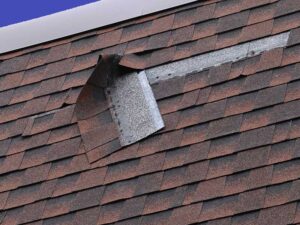
Inspect areas such as roof edges, eaves, and where siding meets the foundation. Use fire-resistant caulking or metal flashing to seal these vulnerable points and reduce the risk of ember intrusion.
Gutters and roofs should also be kept clear of the following:
- Leaves
- Pine needles
- Other debris that can easily catch fire
Installing metal gutter guards can help minimize buildup and lessen maintenance needs. You should fit chimneys with spark arrestors to prevent embers from escaping or entering your home.
Garage doors and entry points are another critical consideration. Ensure weather stripping is tight and replace any worn seals that could allow embers inside. If possible, install fire-rated doors for added protection.
It’s worth considering exterior sprinkler systems designed specifically for wildfire defense. While not a guarantee, these systems can help dampen surfaces and reduce ignition risk when used properly.
By addressing these often-overlooked vulnerabilities, you add another layer of defense that works alongside your primary fire-resistant upgrades.
Step 4: Emergency Kits and Family Evacuation Plans
You might have only minutes to evacuate during a wildfire, so planning ahead is crucial. Here’s what to include in a basic emergency kit:
- N95 masks
- Copies of important documents
- Flashlights and batteries
- First aid supplies
- Medications
- Non-perishable food and water
Designate evacuation routes and communication methods with family members. Practice them at least once a year. If you have pets, include a plan for their transport and shelter.
Prepared families evacuate faster and with less stress.
Step 5: Stay Informed During Fire Season
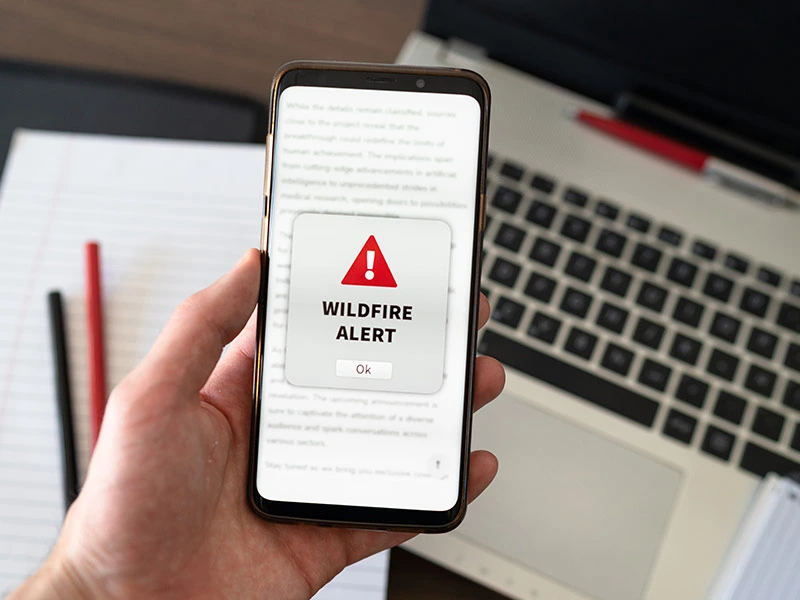
Staying updated during fire season can save your life. Sign up for local emergency alerts like Everbridge (used by Boulder County) and download apps such as Watch Duty or PulsePoint.
Follow the Boulder Office of Emergency Management and the National Weather Service for up-to-date conditions, evacuation orders, and fire restrictions.
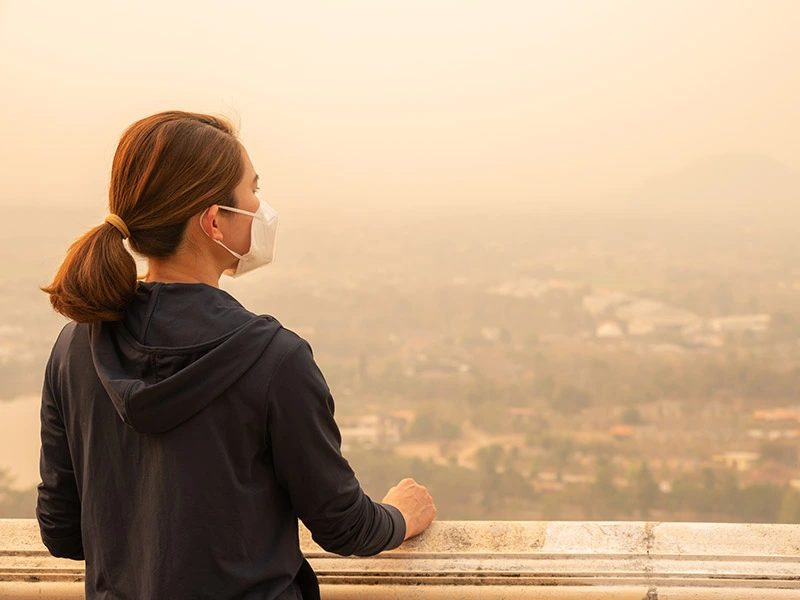
You should also monitor the Air Quality Index (AQI), especially if you or your family have respiratory issues. Wildfire smoke can pose severe health risks even when the flames are miles away.
Knowledge is your most powerful survival tool.
Step 6: Partner With Professionals for Fire Mitigation
Professional fire mitigation services can make your home significantly more fire-resilient. Companies like 24-7 Restoration offer fire prevention assessments and post-wildfire restoration services.
These experts can inspect your home, remove combustible materials, seal openings vulnerable to ember intrusion, and help you meet wildfire prevention standards specific to Boulder County.
If you experience fire damage, a quick response is critical. 24-7 Restoration specializes in fire and smoke remediation, ensuring your home is safe, clean, and habitable again.
Don’t wait for disaster to strike. Instead, invest in prevention with trusted professionals.
Step 7: Prepare for Wildfires With Landscaping Best Practices
Landscaping can either protect or endanger your home. Choose fire-resistant plants such as:
- Creeping phlox
- Blue flax
- Yarrow
- Ice plant
- Rocky Mountain juniper (well-maintained and pruned)
Avoid plants with oily leaves like junipers or eucalyptus, which ignite easily. Keep your lawn well-watered and mow it regularly.
Use gravel or stone walkways and patios to act as firebreaks. Remove dead leaves, pine needles, and branches frequently, especially near roofs and gutters.
Smart landscaping plays a crucial role in your Boulder fire preparation efforts. The right yard can act as your home’s first line of defense.
Step 8: Review Insurance Coverage Annually
Too many homeowners discover too late that their insurance doesn’t fully cover wildfire damage. Review your homeowner’s insurance annually to ensure it includes replacement cost coverage and accounts for rising construction costs.
Take a detailed home inventory with photos and receipts, storing digital copies in the cloud or an off-site location. Some insurers offer discounts for fire mitigation efforts or defensible space compliance.
Your financial recovery after a wildfire begins with smart preparation. Insurance isn’t exciting, but it’s your economic lifeline.

Step 9: Be a Community Advocate
Preparedness doesn’t stop at the property line. Encourage neighbors to take wildfire risk seriously and work together to reduce hazards.
Join or support local Firewise USA® programs, which help communities in high-risk areas collaborate on fire safety. In Boulder County, these groups often coordinate defensible space workdays, share equipment, and host educational events.
When entire neighborhoods take action, it significantly reduces fire spread and improves outcomes. Community strength is wildfire resilience multiplied.
Strengthening Neighborhood Communication And Coordination
Beyond organized programs, simple communication can have a lasting impact. Start conversations with neighbors about shared risks and practical solutions, such as coordinating yard maintenance schedules or pinpointing vulnerable areas between properties.
Consider creating a neighborhood contact list so residents can quickly share updates during emergencies. Also, organize informal walkthroughs to spot potential hazards, like overgrown vegetation or debris buildup, that could threaten multiple homes.
Social media groups or community apps can be useful tools for staying connected and spreading prompt information about fire conditions or local alerts. Additionally, advocating for improved infrastructure, such as better road access and emergency water sources, can strengthen your neighborhood’s general safety.
When people feel informed and supported, they’re more likely to take action. A connected, farsighted community not only reduces wildfire risks but also ensures a faster, more coordinated response, especially when every second counts.
Step 10: Maintain a Fire-Ready Routine
One-time preparation isn’t enough. Instead, wildfire safety requires ongoing effort.
As seasons change and landscaping grows, it’s important to stay consistent with maintenance. Establish a monthly or seasonal checklist that includes:
- Cleaning roofs and gutters of debris
- Inspecting vents, windows, and siding for damage
- Trimming trees and removing dead vegetation
- Testing fire extinguishers and smoke detectors
- Refreshing your emergency kit supplies
Keep a written or digital log so nothing is overlooked. Set calendar reminders to stay on track throughout the year.
Regular attention ensures your Boulder fire preparation efforts remain effective, even if fire season arrives earlier than expected.
Step 11: Document Everything for Recovery
If the worst happens and your home is affected by wildfire, having proper documentation in place can speed up recovery. Before fire season begins, do the following:
- Take detailed photos or videos of every room and major belongings
- Keep copies of warranties, permits, and receipts for upgrades
- Back up your data to a secure cloud or off-site location
- Store insurance policy details in multiple places
This documentation helps streamline claims with your insurance provider and makes working with restoration teams like 24-7 Restoration faster and more efficient. It also ensures nothing is forgotten during the emotional chaos following a disaster.
Preparation today leads to faster healing tomorrow.
Step 12: Act Now
The most important takeaway? Start today. It’s easy to put off wildfire prep until fire season hits, but by then it may be too late. Go through this checklist, prioritize changes based on your home’s risk, and take it one step at a time.
Whether you’re clearing gutters, installing fire-resistant vents, or calling in mitigation experts, each action adds a layer of protection. You may not be able to control nature, but you can control your readiness.
Wildfires in Boulder will continue to challenge the region, but your preparation can shift the odds in your favor.
Frequently Asked Questions
Can Landscaping Really Help Prevent Fire Damage?
Yes, strategic landscaping can significantly reduce fire risk. Using fire-resistant plants, maintaining proper spacing, and removing dead vegetation all help limit fuel sources. Hardscaping elements like gravel paths and stone patios can act as firebreaks, slowing the spread of flames.
What Are Ember Attacks And Why Are They Dangerous?
Ember attacks occur when burning debris is carried by wind and lands on or near your home. These embers can ignite roofs, decks, and dry vegetation even if the main fire is far away. Numerous homes are lost due to ember ignition rather than direct flame contact, which is why ember-resistant upgrades remain critical.
Does Home Insurance Cover Wildfire Damage?
Most standard homeowner’s insurance policies cover wildfire damage, but coverage limits and exclusions can vary. It’s wise to review your policy annually. Ensure it reflects current rebuilding costs and confirm it includes replacement cost coverage rather than actual cash value.
How Can I Stay Updated During A Wildfire?
You can stay in the loop by allowing local emergency alerts on your phone, keeping an eye on weather updates, and following official agencies. Mobile apps and alert systems provide real-time notifications about:
- Evacuation orders
- Fire progression
- Air quality conditions
Should I Evacuate Immediately When Told to Do So?
Yes, evacuation orders should always be taken seriously and followed immediately. Delaying evacuation can put you and emergency responders at greater risk. Leaving early also gives you more time to relocate safely and reduces traffic congestion during critical moments.
What Role Do Fire Mitigation Professionals Have?
Fire mitigation professionals assess your property for risks and implement strategies to reduce fire hazards. It may include getting rid of vegetation, sealing vulnerable entry points, and recommending structural improvements. Such expertise helps ensure your home meets local safety standards.
How Often Should I Maintain My Property for Fire Safety?
Fire safety maintenance should be ongoing. Seasonal tasks should be performed on a regular basis. Examples include the following:
- Clearing gutters
- Trimming vegetation
- Inspecting your home
Monthly checks during fire season can help ensure your property remains in a fire-ready condition.
Can Communities Work Together to Reduce Wildfire Risk?
Indeed. Community-wide efforts, such as participating in Firewise programs, can reduce wildfire risk by a significant degree. When neighbors collaborate on clearing hazards and sharing resources, it creates a safer environment for everyone and improves emergency response effectiveness.
Work With 24-7 Restoration to Protect Your Home
Wildfires in Boulder are an unavoidable reality, and when they impact your home, the damage can extend far beyond what’s visible. Smoke, soot, and debris can affect every surface, making proper cleanup and restoration essential.
If your home is affected by wildfire, 24-7 Restoration is here to help. Our team specializes in fire and smoke damage cleanup, from removing debris and deep cleaning surfaces to restoring your home to a safe, livable condition. We also help guide homeowners through the recovery process, including working with insurance to make the next steps clearer and more manageable.
When the damage is done, having the right team on your side makes all the difference. Contact 24-7 Restoration for fast, local support when you need it most.