An overflowing toilet can turn a normal day into an urgent household problem, but you don’t always need to panic. In many cases, you can stop the water at its source, use a good plunger correctly, and clear the clog quickly to prevent bathroom flooding without costly repairs.
Have you ever stood beside a toilet that suddenly filled to the brim and wondered what to do first? Today we’re taking a closer look into why toilets overflow, how to fix toilet overflow safely and quickly, and practical toilet maintenance tips that help you prevent bathroom flooding later.
What Are Two Things You Should Never Flush Down a Toilet?
An overflowing toilet often starts with something that shouldn’t have gone down the drain in the first place. There are two items that cause trouble more than people expect:
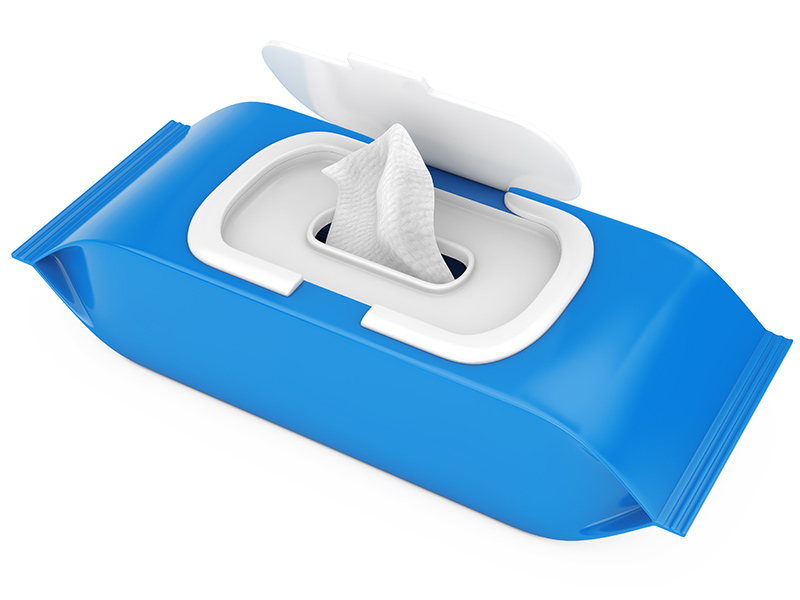
“Flushable” Wipes
Even when the label says “flushable,” wipes don’t break down like toilet paper. They stay intact and can catch on rough spots inside the pipes.
Over time, they can build up and block the drain. That’s one of the most common reasons people search for how to fix toilet overflow.
Feminine Hygiene Products
Tampons and pads absorb water and expand fast. Once they’re in the toilet, they can swell and wedge into the trap.
A single product can stop the flow and trigger an overflowing toilet within seconds. Good toilet maintenance starts with keeping these items out of the bowl every time.
Does Pouring Water Down the Toilet Help It Flush?
Pouring water into a toilet can help it flush, but only in the right situation. When the bowl water sits low and the flush feels weak, adding water can restart the siphon and push waste through. It’s a simple trick that can work fast for a mild clog, and it may help you fix toilet overflow quickly before things get worse.
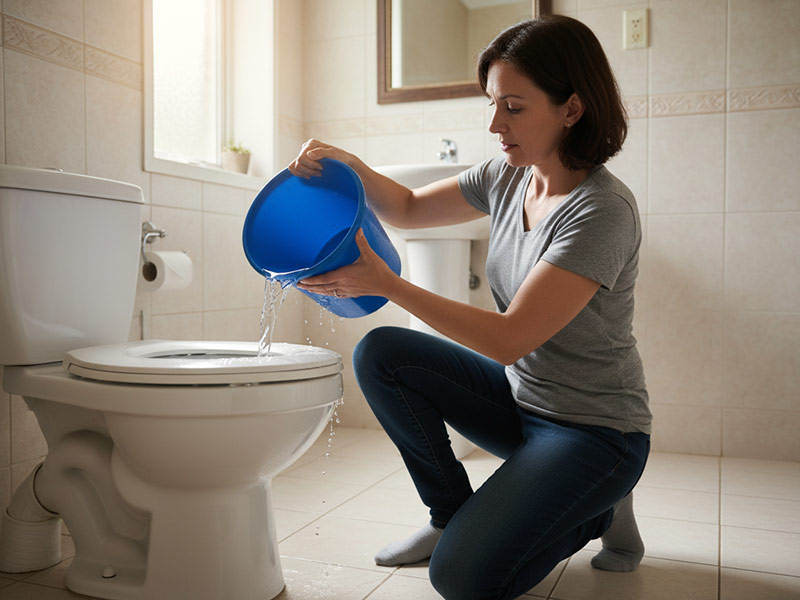
Start with a bucket of warm water, not boiling water. Pour it from waist height into the center of the bowl. The added force can help break up soft waste or extra toilet paper.
If the water drains down right after, wait a moment and try one normal flush.
Don’t pour water into a bowl that’s already full or rising. That can turn a slow drain into an overflowing toilet in seconds. If you’ve already had one overflow, focus on stopping the water and clearing the clog first.
Overflowing Toilet: What to Do Immediately
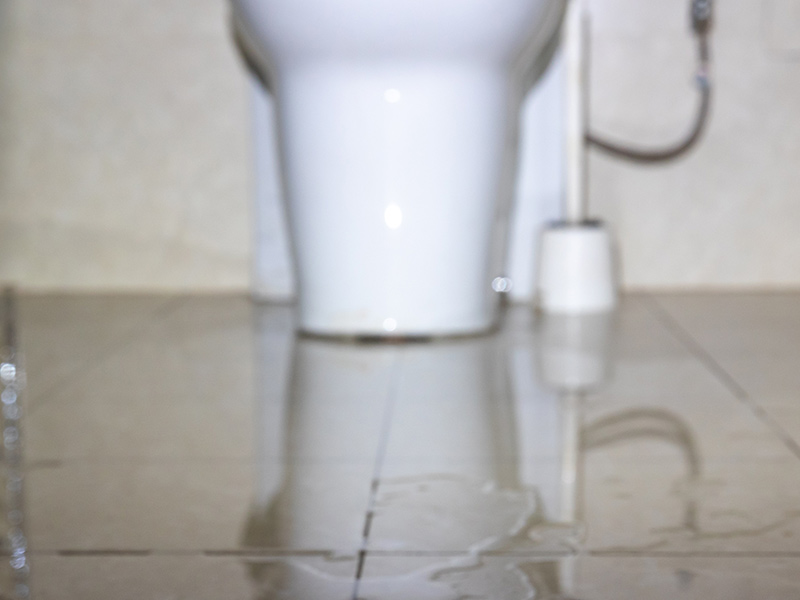
An overflowing toilet feels like an emergency, and it can become one fast if you don’t act right away. The goal is to stop the water, protect your floors, and avoid making the mess worse. A few quick moves can prevent bathroom flooding and save you from a longer cleanup.
There are four steps that matter most in the moment:
- Stop the water supply
- Block more overflow
- Protect the bathroom floor
- Keep cleanup safe
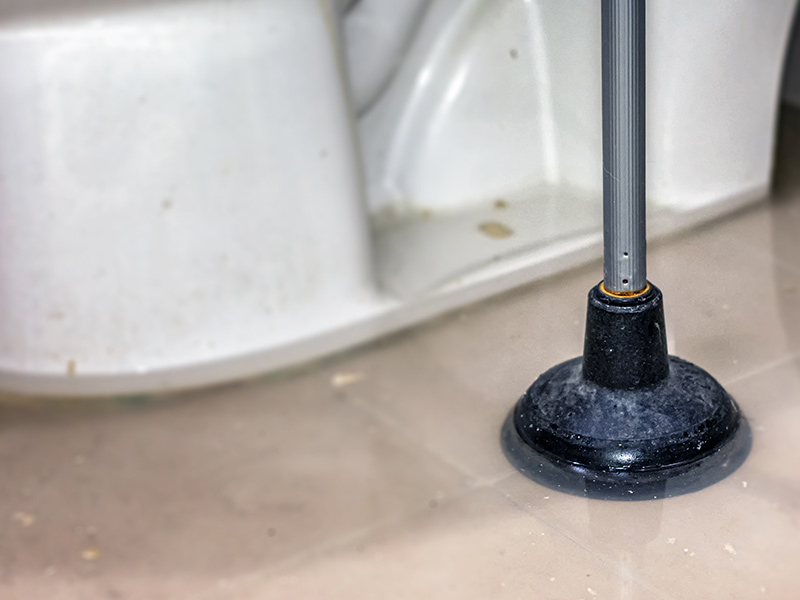
Stop the Water Supply
Look behind the toilet for the shutoff valve near the wall. Turn it clockwise until it stops.
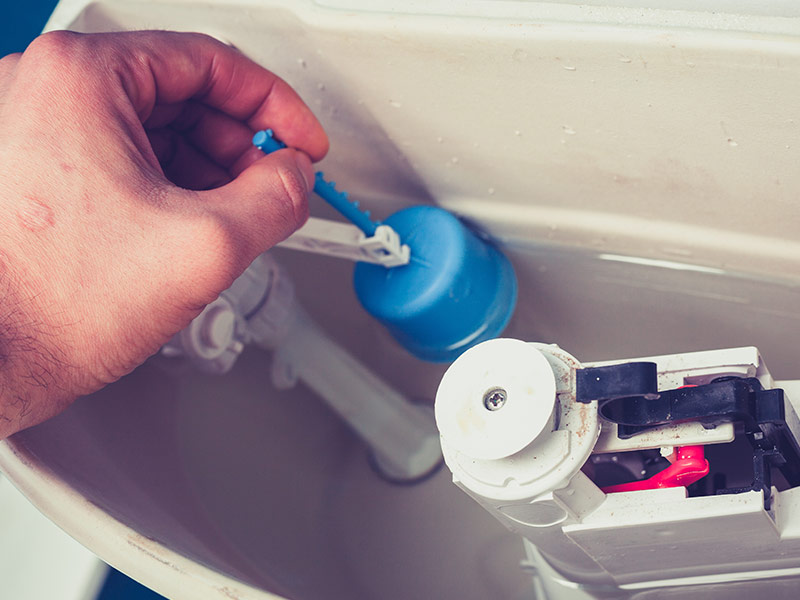
If the valve won’t move, lift the tank lid and push the float up to slow the refill. That buys time while you figure out how to fix toilet overflow.
Block More Overflow
Don’t flush again, even if the water level drops a little. One more flush can refill the bowl and trigger another spill. If the tank keeps running, close the valve fully or remove the tank lid and adjust the float by hand.
Protect the Bathroom Floor
Grab towels, rags, or a mop and block the water from spreading. Move rugs out of the way so they don’t soak up dirty water. Quick action helps prevent bathroom flooding in nearby rooms.
Keep Cleanup Safe
Put on gloves if you have them and wash your hands right after. Open a window or run the fan to cut odors. If the overflow looks serious, emergency plumbing help may be the safest next step.
How to Fix Toilet Overflow Quickly Using a Plunger
A plunger is often the fastest way to fix toilet overflow quickly, but technique matters. Many people push too hard or rush the process, and that can splash dirty water everywhere. With the right plunger and a steady approach, you can clear most clogs in a few minutes.
There are three things that make plunging work better:
- Use the right plunger
- Get a tight seal
- Use steady pressure
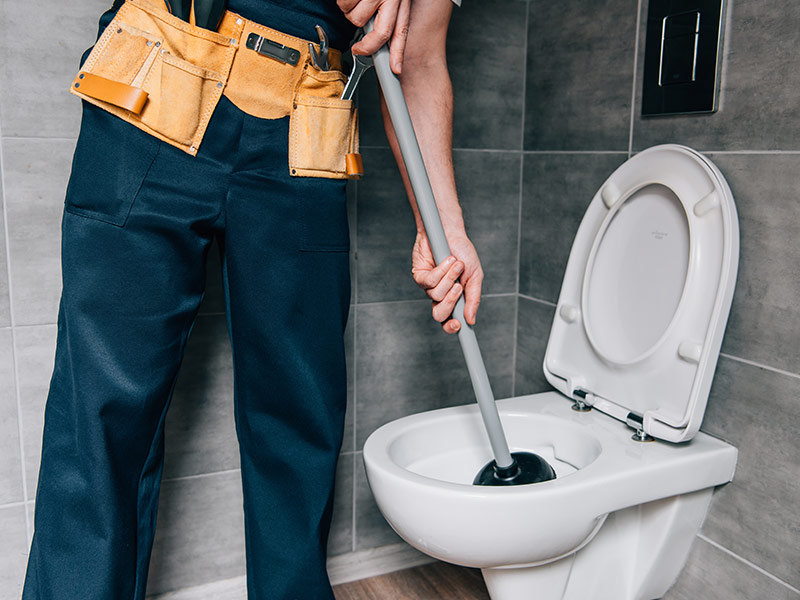
Use the Right Plunger
A flange plunger works best for toilets. It has a soft rubber flap that fits into the drain opening.
A flat sink plunger won’t grip the bowl as well, so it won’t create strong suction. Keeping a flange plunger on hand is a simple part of toilet maintenance.
Get a Tight Seal
Set the plunger over the hole at the bottom of the bowl and press down slowly. You want the rubber to seal against the porcelain.
If the water level is low, add a little water so the plunger stays covered. That helps build pressure without splashing.
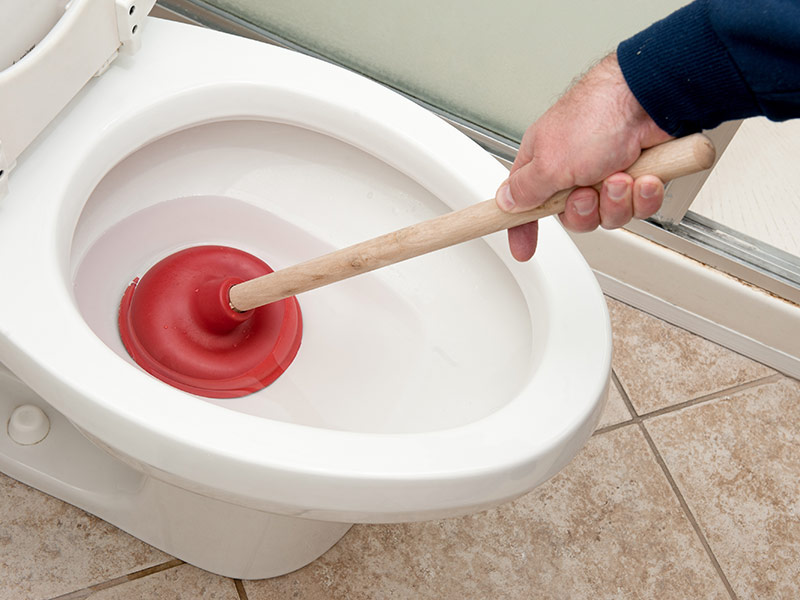
Use Steady Pressure
Push down and pull up with control, not fast jabs. Keep the seal in place the whole time. After 15 to 20 seconds, pause and watch the water.
If it drops, try a normal flush once. If the bowl rises again, stop and repeat the plunging cycle. This method is one of the best answers to how to fix toilet overflow at home.
When a Plunger Isn’t Enough: Using a Toilet Auger Safely
Sometimes a plunger won’t clear the clog, especially if something solid is stuck deeper in the trap. A toilet auger is a hand tool with a long, flexible cable and a protective sleeve. The sleeve helps keep the metal from scraping the porcelain.
Feed the end into the bowl opening and guide it into the drain. Turn the handle slowly as you push the cable forward.
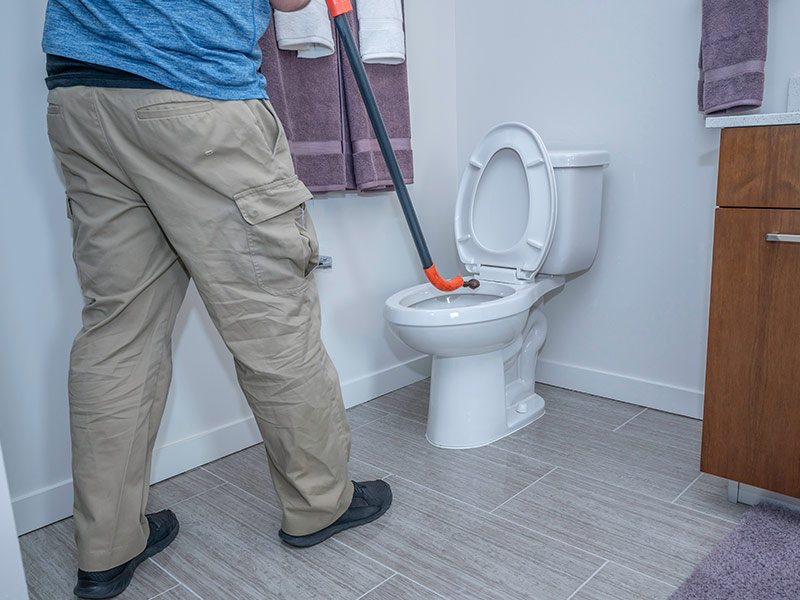
If you feel resistance, keep turning with light pressure. The goal is to break up the clog or hook it so you can pull it back.
Pull the cable out slowly and keep it low to avoid splatter. Flush once after the water drops to a normal level. If the toilet still won’t clear, stop and consider emergency plumbing help.
Effective Toilet Maintenance
An overflowing toilet is stressful, but quick action can keep it from turning into major water damage. Shut off the water, clear the clog with the right tools, and clean the area safely. With smart habits and simple toilet maintenance, you’ll lower the risk of repeat overflows.
At 24-7 Restoration, we provide full-service home restoration and remediation across Boulder County. Our 24/7 emergency response team handles water damage restoration, fire and smoke cleanup, storm and wind repair, sewage cleanup, mold remediation, biohazard and crime scene cleanup, asbestos removal, and content cleaning. As an insurance-preferred, IICRC-trained team, we help streamline claims and deliver reliable results.
Get in touch today to find out how we can help with your plumbing needs!