 The good news is that preparation is straightforward once you know what actually matters. A few smart moves now can keep your home safe long after you’ve left the driveway.
 Turn this guide into action: download and print the checklist version, and use it before every vacation to keep your Colorado home safe and sound.
Why Your Home Is at Risk When You’re Away
An empty house gives off signals, whether you mean it to or not. A stack of mail, a dark porch light, and a quiet driveway can tell a stranger that nobody is home, and that pattern holds true in nearly every neighborhood. Risk to a vacant home usually falls into three groups: break-ins, damage from water or fire, and plain neglect, like spoiled food or a jammed mailbox.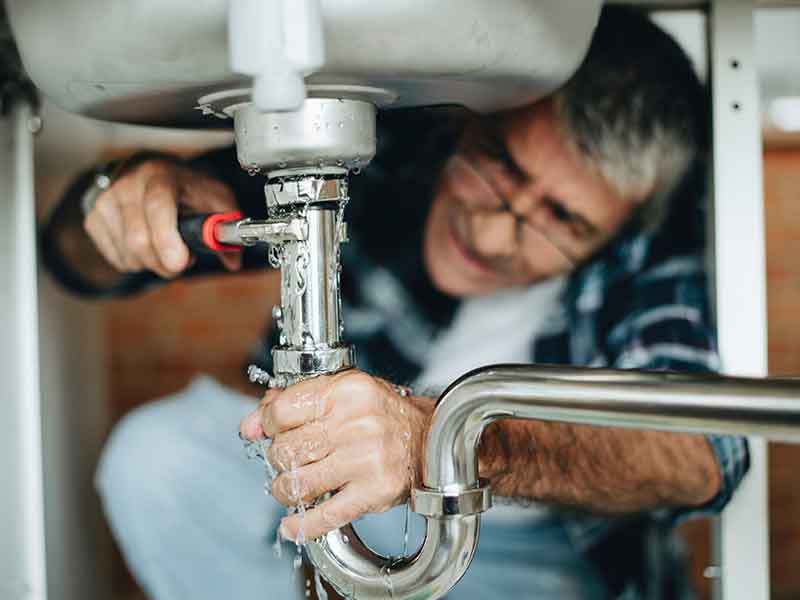 Water damage actually strikes far more houses each year than burglary does, yet most people spend their prep time thinking almost entirely about locks and alarms. That imbalance is worth fixing, since a burst pipe or a failed water heater can cause thousands of dollars in damage before anyone notices.
Learning a few reliable ways to keep your home safe, covering both security and maintenance, gives you a much better shot at coming home to a house in the same shape you left it.
Water damage actually strikes far more houses each year than burglary does, yet most people spend their prep time thinking almost entirely about locks and alarms. That imbalance is worth fixing, since a burst pipe or a failed water heater can cause thousands of dollars in damage before anyone notices.
Learning a few reliable ways to keep your home safe, covering both security and maintenance, gives you a much better shot at coming home to a house in the same shape you left it.
How Can You Keep Your Home Safe Before Vacation?
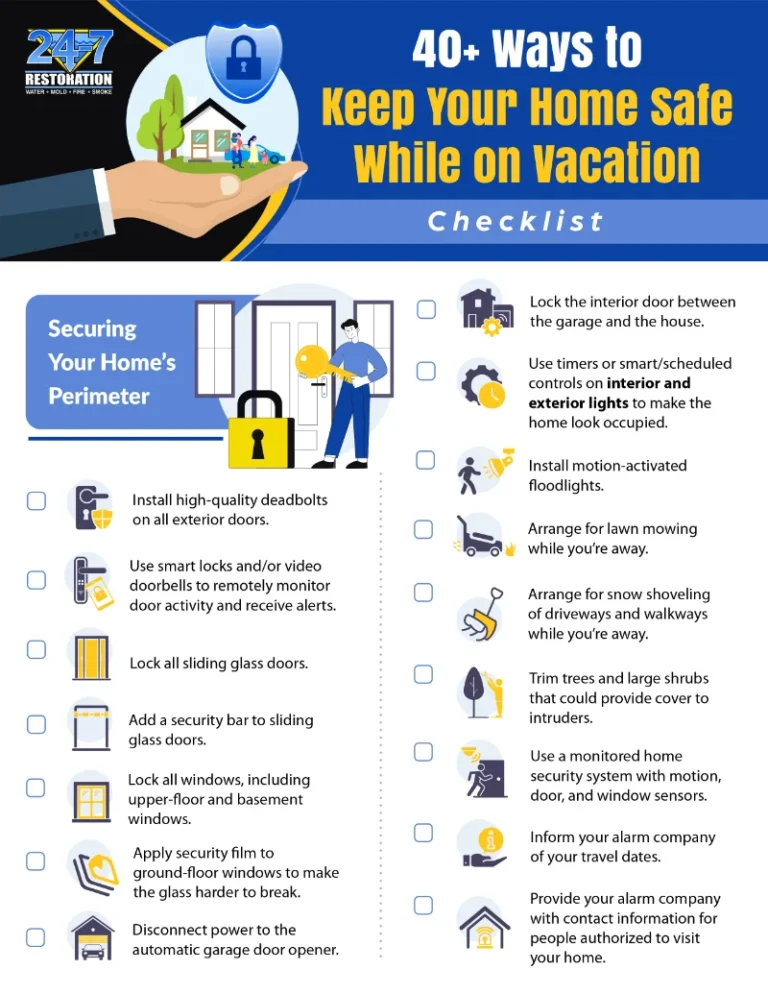
A strong perimeter is still the first line of defense against an unwanted visitor. Most intruders look for the easiest entry point, so your job is to remove every easy option before you leave.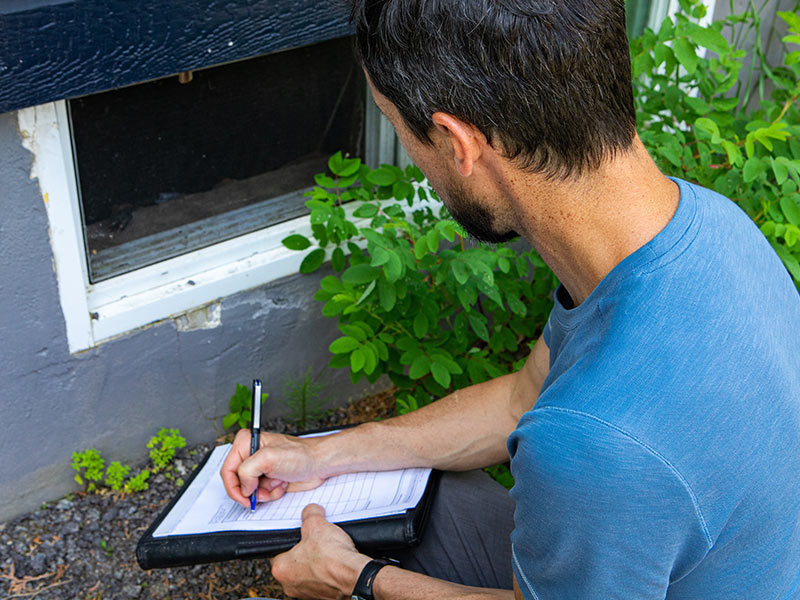
Reinforce All Entry Points
Nearly a third of burglars walk in through an unlocked door or window, so a quick walk-through of your house matters more than people think. Homes with unlocked windows or a weak back door may be targeted by burglars far more often than homes with secured entry points. Check every exterior door for a solid deadbolt, and do not forget upper-floor windows or a basement door that gets ignored most of the year. A garage door opener can open your home to strangers too, so disconnect the power to it and lock the interior door leading into the house.Outdoor Security Measures
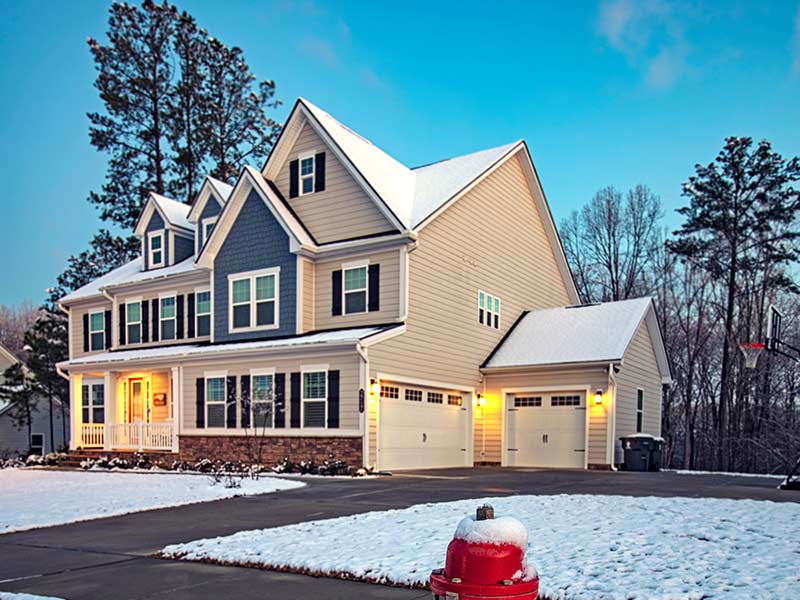
Good outdoor security often comes down to light and visibility. Motion-activated floodlights, timers on exterior lights, and a trimmed yard all make a home look well-cared-for rather than forgotten. Overgrown bushes near windows or doors give a stranger a place to hide, so a quick trim before your trip removes that cover completely.Low-Cost Habits That Deter Break-Ins
You do not need a full security system to keep a house looking cared for. Some cheap ways to secure your home rely on habits rather than gadgets, and a few small changes can make a real difference:- Park a car in the driveway even when you are gone
- Ask a neighbor to place trash bins out on schedule
- Rotate exterior lights on a random pattern instead of a set time
- Store ladders and tools inside instead of leaving them in the yard
Managing Utilities to Prevent Fire and Water Damage
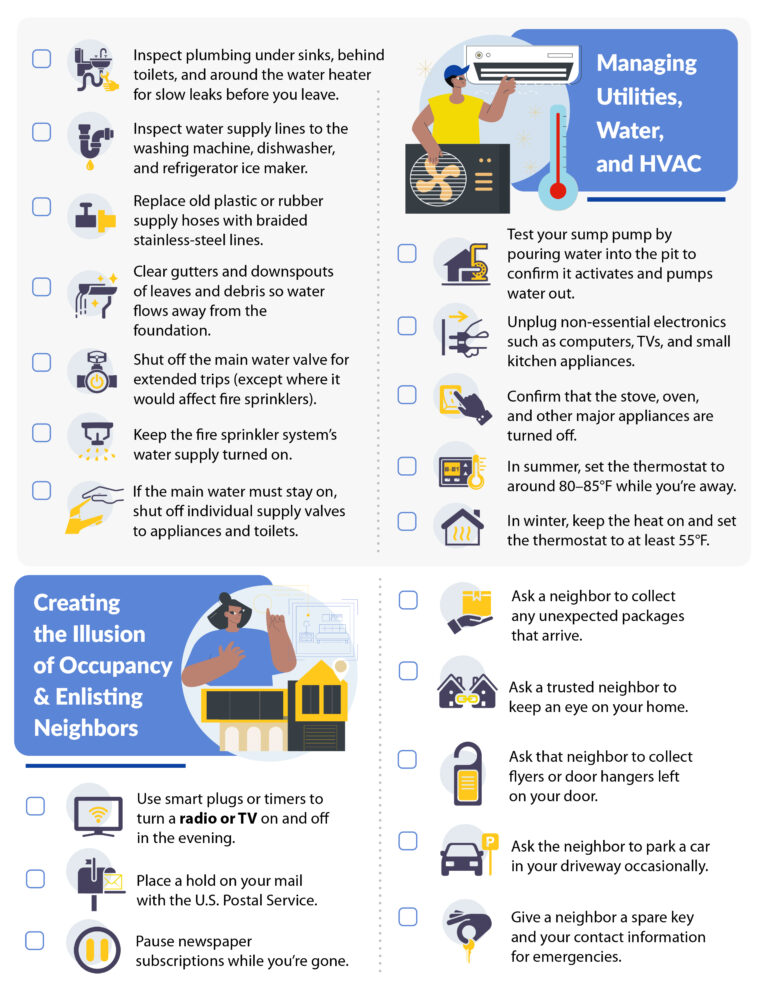
Utility problems cause more damage over a long weekend than most homeowners realize. A few checks before you leave can stop a small issue from turning into a costly repair.Preventing Water Damage
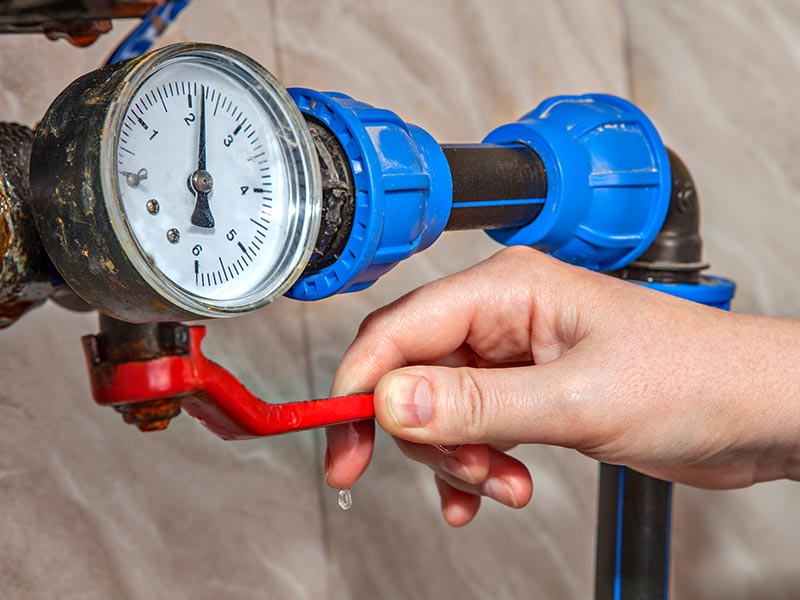
Water damage is a quiet threat, since it often starts small and grows for days before anyone notices. A slow drip under a sink or behind a toilet can soak through the flooring and drywall long before you get home to catch it. The first hour after a leak starts matters more than any other, since water spreads fast once it finds a path through a wall or floor. Checking a few overlooked spots before a trip can catch a problem when it is still small:- Supply lines behind the washing machine and dishwasher
- Hoses connected to the refrigerator ice maker
- Fittings around the water heater tank
- Seals around tub and shower drains
Electrical Safety
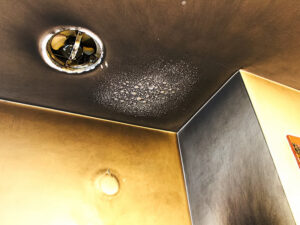
Electrical safety matters just as much as plumbing when a house sits empty. Faulty wiring and power surges rank among the leading causes of house fires, so a few minutes of prep goes a long way. Unplug small appliances like coffee makers, toasters, and extra televisions, since these draw power even when they are turned off. A final walk-through of the kitchen helps confirm the stove and oven are off before you lock the door.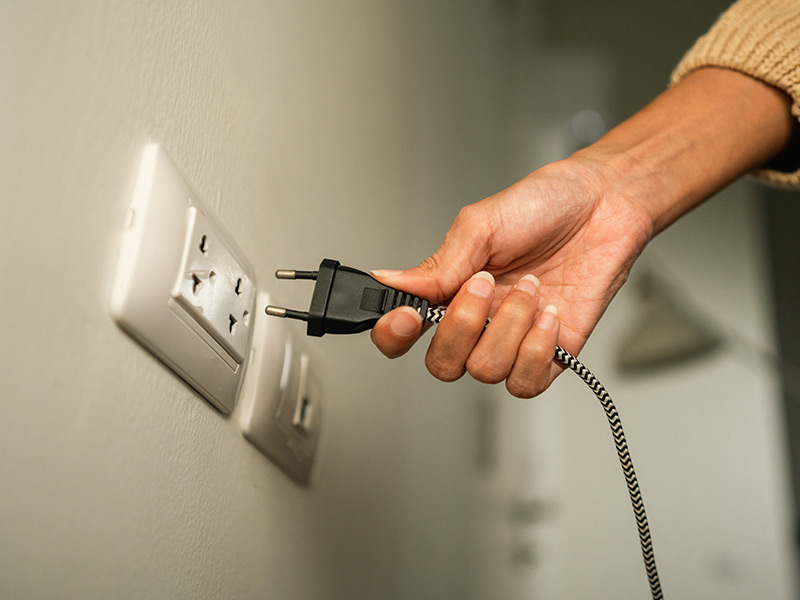
HVAC Settings for Every Season
Your heating and cooling system needs a setting that protects the house without running nonstop. In colder months, never turn the heat off completely, since pipes can freeze and burst in a matter of hours once the temperature drops. A thermostat set to at least 55 degrees keeps pipes safe without wasting energy on an empty house. In warmer months, a setting around 80 to 85 degrees controls humidity and keeps the air conditioner from running the entire time you are gone.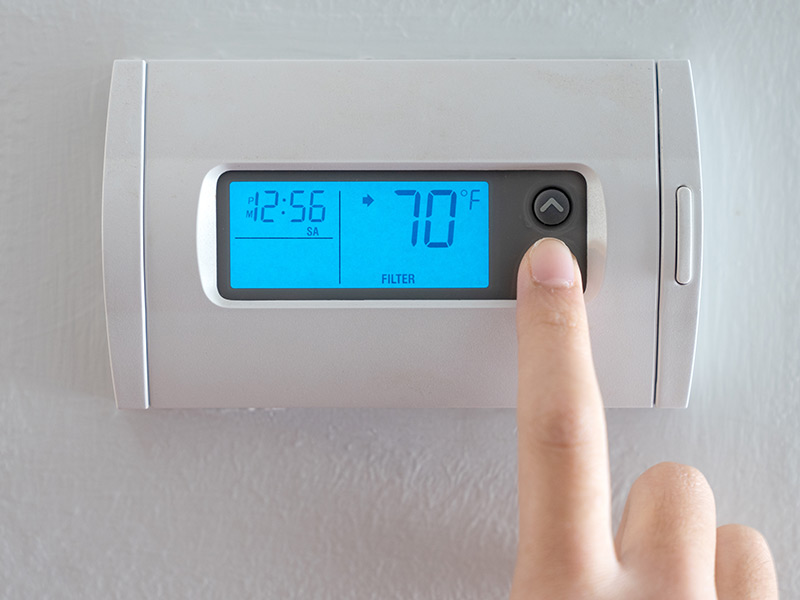
What’s the Best Way to Make Your Home Look Occupied When You’re Away?
A home that looks lived in draws far less attention than one that looks empty. Small, consistent changes to light and activity patterns can convince a passerby that someone is still around. Timers on lamps, a radio, or a television create movement and sound at normal hours, which reads as far more convincing than a single porch light left on for a week straight. A trusted neighbor can add to that effect by parking in your driveway now and then, picking up any flyers left on the door, shoveling your driveway, and collecting packages before they pile up. Curtains and blinds should stay in their normal daytime position too, since a house that looks shut up tight for days sends its own kind of signal. Putting a hold on mail and newspaper delivery rounds out the picture, so nothing collects at the door during your trip.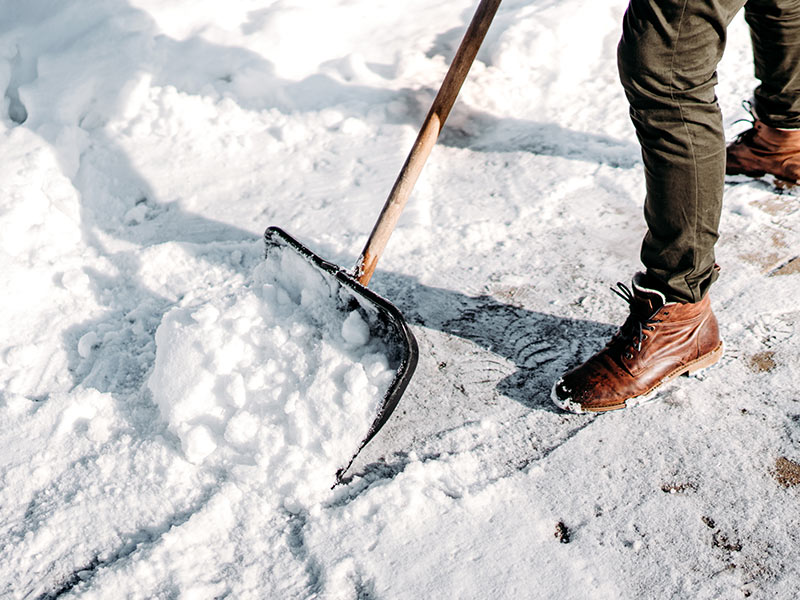
Protecting Valuables and Important Documents
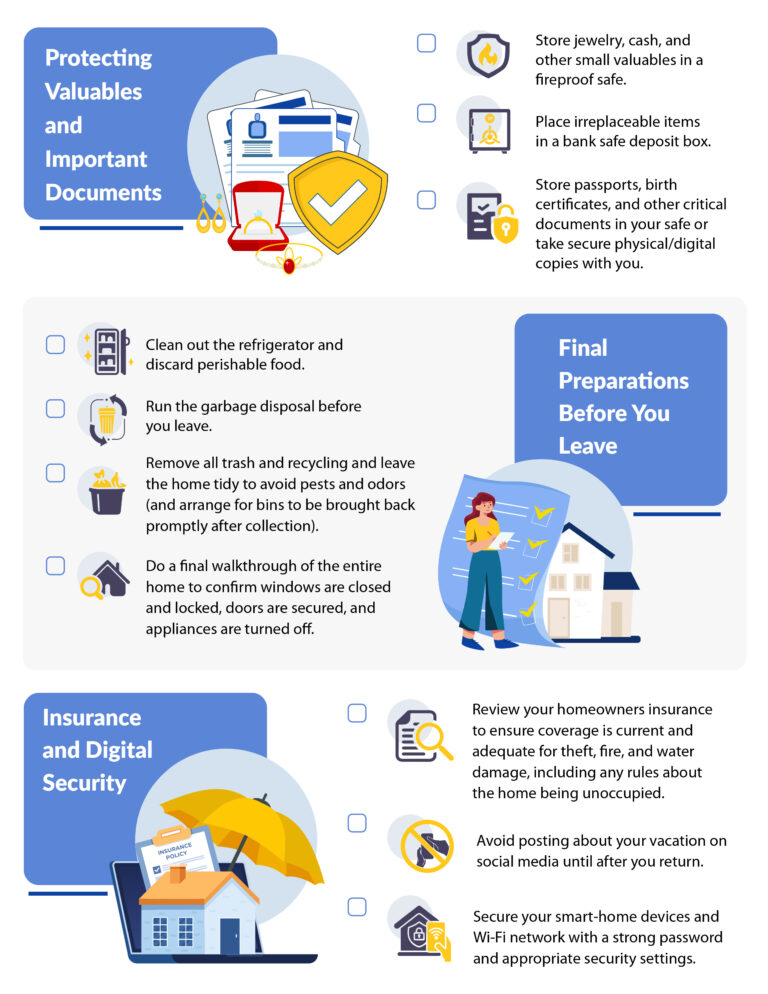
Protecting valuables takes just a few minutes and can save a lot of grief if something goes wrong. A fireproof safe works well for jewelry, cash, and small items you would hate to lose. For anything irreplaceable, a bank safety deposit box offers a level of protection a home safe cannot match. Passports, birth certificates, and other important papers deserve the same care. Keep them locked away at home, or take copies, both digital and printed, with you on your trip, so you still have proof of identity if the originals are lost.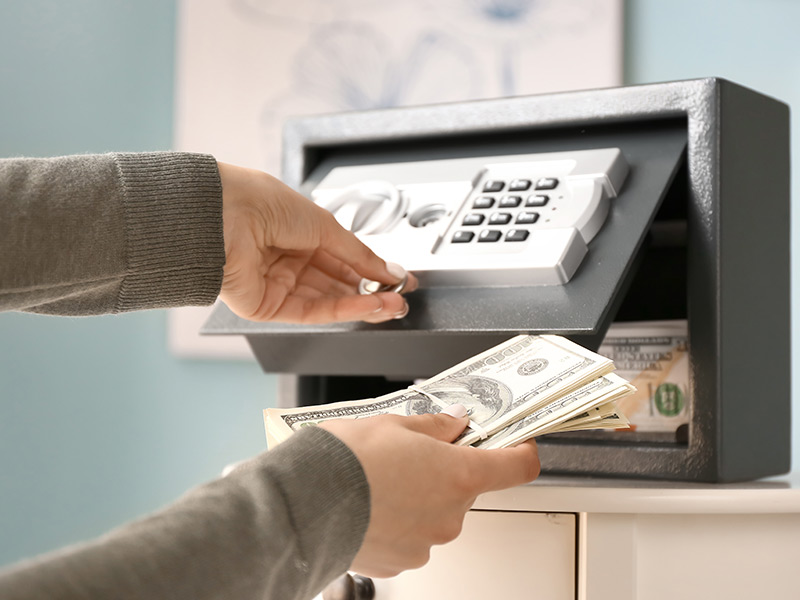
Colorado-Specific Vacation Prep for Boulder and Denver Homeowners
Front Range weather has a habit of shifting fast, and that pattern actually makes vacation prep a bit different here than in most parts of the country. A sunny afternoon can turn into a hard freeze within hours during winter, and that kind of swing puts real strain on pipes and heating systems left unattended. Summer brings its own version of the problem, since a sudden heat wave can push indoor humidity up if your air conditioning fails while you’re away.Weather Swings and Your Home’s Systems
Colorado’s temperature swings tend to catch homeowners off guard, so a system that works fine on a mild day might struggle once the weather turns. A furnace that has not been checked in a year could fail right when a cold snap hits, and that combination often leads to frozen or burst pipes. Scheduling a quick inspection before a longer trip is a fairly small task that can prevent a rather large repair bill later.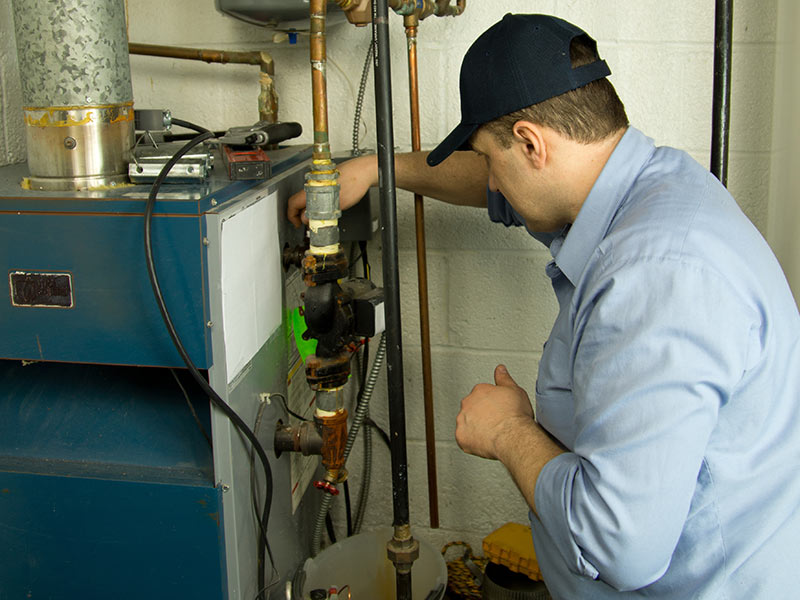
Sprinkler Systems and Sump Pumps
Outdoor sprinkler systems need attention before a fall or winter trip, since water left sitting in the lines can freeze and crack the pipes underground. If you have a sump pump, testing it before you leave is worth the five minutes it takes. Pour a bucket of water into the pit and watch to confirm the pump kicks on and clears it, since a pump that fails during a storm can flood a basement in a matter of hours.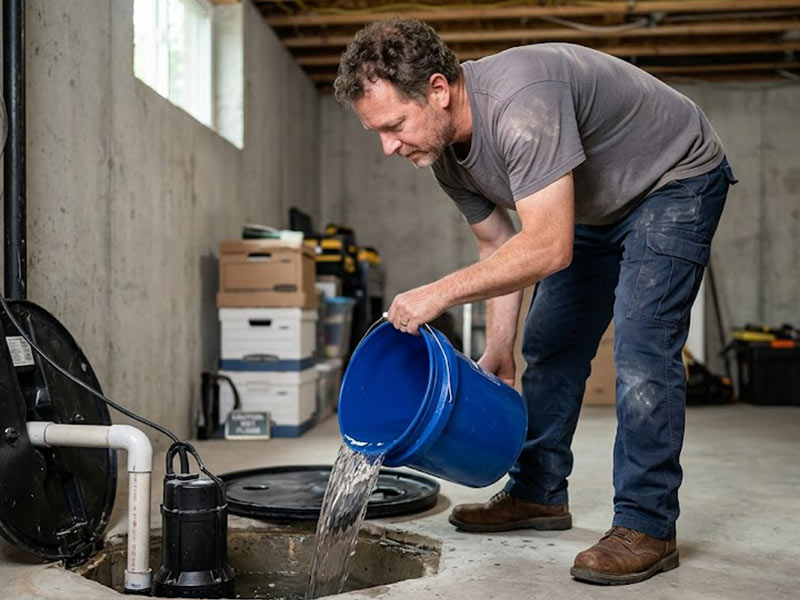
Wildlife and Pest Considerations
Front Range properties often deal with wildlife looking for an easy meal, and an empty house with food smells or open garbage can attract more than you’d like. Sealing food, closing off garage access points, and moving pet food indoors all reduce that risk quite a bit. For longer trips, asking someone to check the property every few days for leaks, frost damage, or storm debris gives you an extra layer of protection that a single pre-trip check cannot provide on its own.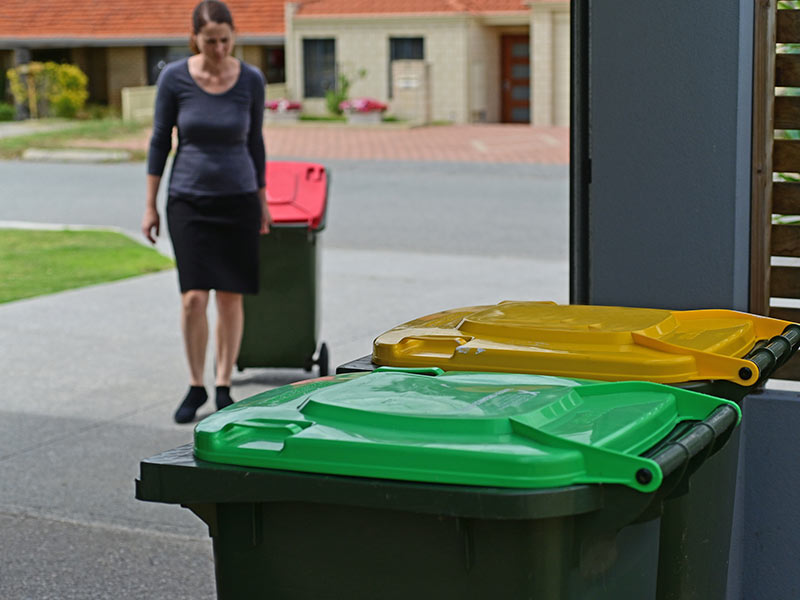
Use Our Planning a Trip Checklist Before Your Vacation
The best way to get your house vacation-ready is with our Planning a Trip Checklist. What works in July leaves gaps in November, so we’ve matched Colorado’s four busiest travel windows to the risks that matter most on the Front Range.
Treat this as a seasonal layer on top of the standard house checklist you use before a vacation.
Thanksgiving: Beat the First Hard Freeze
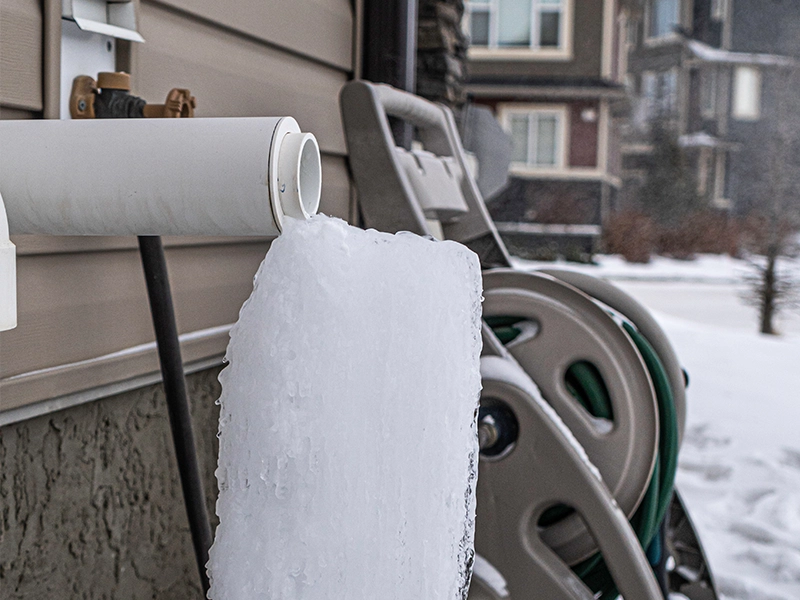
The trip is short, but late November is when overnight lows start to bite, and frozen pipes become a real risk. Drain your garden hoses, and if your outdoor spigots have an interior shutoff valve, close it.
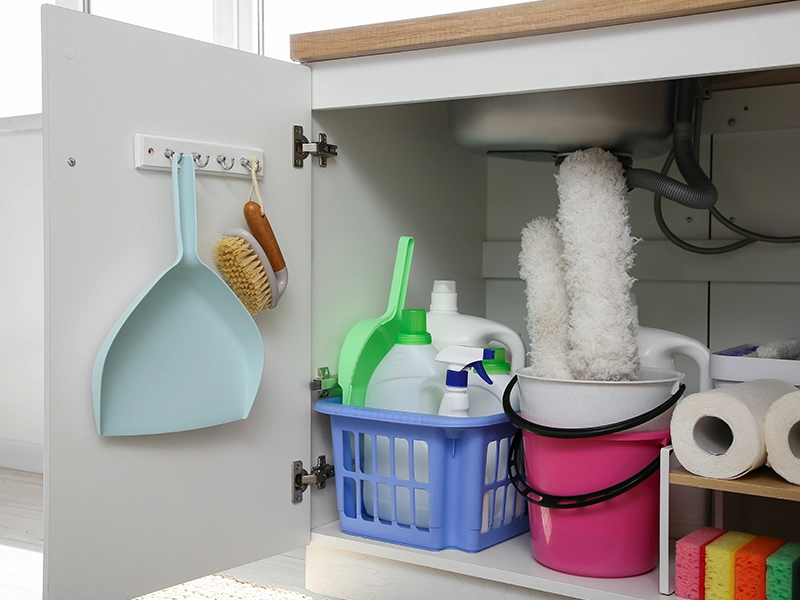
Open the cabinets under sinks on exterior walls so warm air reaches the pipes. Run the furnace through a full cycle a few days before you leave, but while you’re still there, to fix any problems.
Black Friday orders often arrive that week, so redirect them to a locker or a neighbor.

Winter Holidays: Snow, Ice, and Gift Boxes
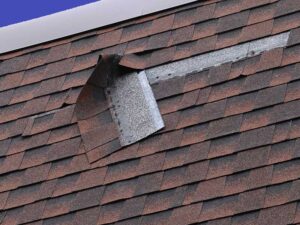
Preparing your house for an extended winter vacation means planning for weeks of snow. Ask your house-checker to look at the eaves and upper ceilings after every big storm, since ice dams can push meltwater under shingles and cause a leaking roof.
Have them clear snow from your furnace’s intake and exhaust vents too, because a blocked vent can shut off the heat. We’d also take down a live tree unless someone can water it, and keep gift boxes off the curb, where they advertise what’s inside.

Spring Break: Snowmelt and Surprise Storms
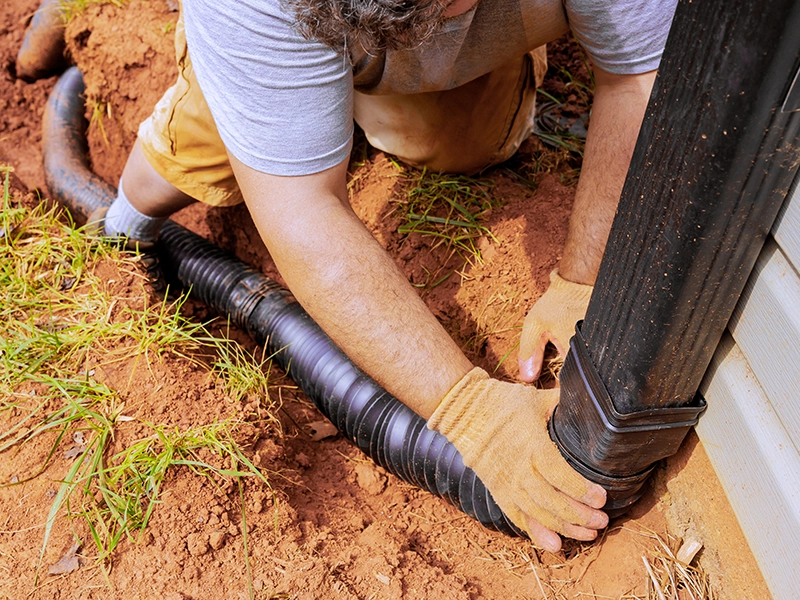
March and April can bring heavy snow one week and melt it fast the next. Clear your window wells and gutters before you leave and add downspout extensions so meltwater drains away from the foundation. If you’ve tested your sump pump, a battery backup is the next step, since a spring storm can knock out power just when the pump matters most.
Our guide to preventing spring water damage has more advice.
Summer: Hail, Heat, and Wildfire Season
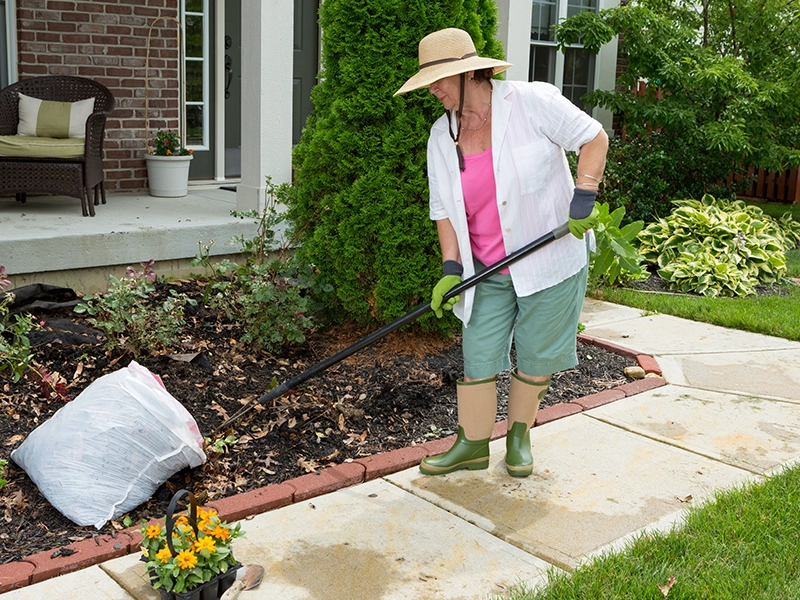
Summer trips run into hail, thunderstorms, and dry, fire-prone stretches. Clear dead leaves and mulch from the first five feet around your foundation and move firewood and propane tanks away from the house, as our summer fire hazards guide explains.
Have your house-checker look over the roof, siding, and windows after any hailstorm. Before you go, set a coin on a frozen cup of water in your freezer. If it has sunk when you return, the power failed long enough to thaw your food, so toss it.

Quick Guide to Preparing Your House for a Vacation
- Thanksgiving: drain hoses, open sink cabinets, test the furnace, and reroute packages.
- Winter holidays: watch for ice dams and blocked vents, remove live trees, and hide gift boxes.
- Spring break: clear window wells and gutters, extend downspouts, and add a sump pump backup.
- Summer: clear fire fuel near the foundation, check for hail damage, and try the freezer coin test.
- Every season: line up a house-checker and keep our number handy.
Your Pre-Vacation Timeline: What to Do and When
Spreading your prep across several weeks tends to work far better than trying to handle everything the night before you leave. A timeline breaks the work into smaller, more manageable steps, and that structure makes it much less likely you’ll forget something important.Two to Four Weeks Before Leaving
This stretch of time is the right window for arrangements that take more than a day to set up. A few tasks fit naturally here:- Ask a neighbor or friend to check the house periodically
- Schedule any needed plumbing, roof, or HVAC repairs
- Confirm your insurance policy covers an extended absence
- Arrange lawn care or snow removal for the trip
One Week Before Departure
With about a week left, the focus shifts to testing and confirming rather than scheduling. Test your smoke and carbon monoxide detectors, and swap in fresh batteries if needed. Walk through the house and check that every window and door locks properly, including ones in the basement or garage that rarely get used.One to Two Days Before Leaving
The final couple of days are for clearing out anything that could cause a problem while you’re gone. Empty the trash, clean out the refrigerator, and run the dishwasher so nothing sits and spoils. Unplug small appliances like toasters and coffee makers, since these draw a small amount of power even when switched off and add a bit of fire risk.Day of Departure
On the day you leave, a full walkthrough catches anything the earlier checks might have missed. Confirm there’s no water running, no window left cracked open, and no appliance still on. Set your thermostat to the away setting you planned, arm your alarm system, and leave a copy of your itinerary with whoever is checking on the house.Insurance and Digital Security Before You Travel
A quick review of your homeowners’ insurance before a trip is worth the ten minutes it takes. Some policies include limits on coverage once a home sits vacant for a certain number of days, so it helps to know that number ahead of time rather than finding out after a claim. Digital habits matter here too, and this one gets overlooked fairly often. Posting vacation photos or plans on social media while you’re still away basically announces that your house is empty, so it’s worth holding off until you’re back home. If you use any smart home devices, a strong, unique password on your network keeps those devices from becoming an easy target while you’re gone.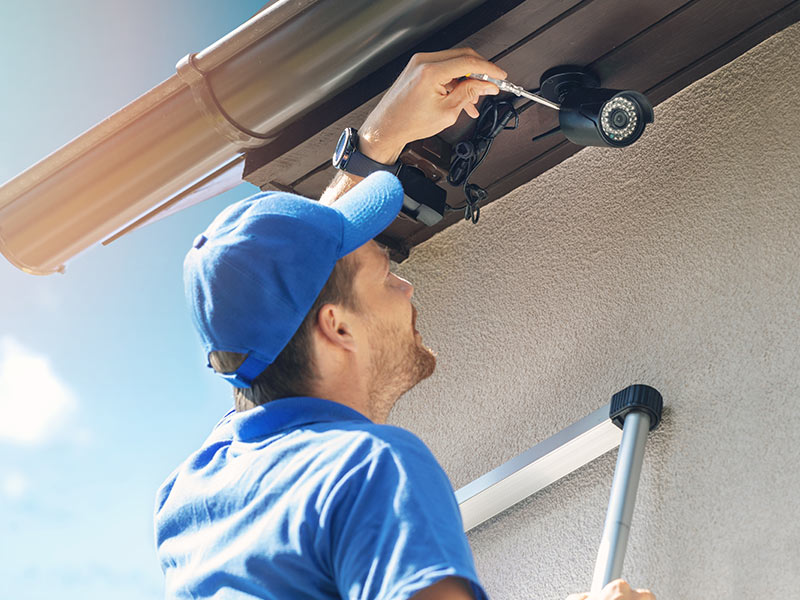
Final Walkthrough Checklist
A short list at the door gives you one last chance to catch anything before you drive away, and it only takes a minute to run through. Before you leave, confirm the following:- Doors and windows locked
- Garage secured and opener disconnected
- Main water valve handled
- Alarm system armed
- Thermostat set to the away temperature
- Trash and perishable food removed
- Small appliances unplugged
- Mail and newspaper delivery paused
- Trusted contact notified with your itinerary
Turn this guide into action: download and print the checklist version, and use it before every vacation to keep your Colorado home safe and sound.Frequently Asked Questions
Should I Turn Off My Water Heater Before a Long Trip?
Turning your water heater down, rather than off completely, is usually the better move for a trip of a week or two. Setting it to the vacation or lowest heat setting cuts energy use quite a bit while still keeping the tank from sitting stagnant for too long. Shutting it off completely can actually cause sediment buildup issues in some older tanks, so a lower setting tends to be the safer choice. For trips longer than a month, draining the tank and shutting off the water supply to it is worth the extra effort, since a fully drained tank removes any risk of a slow leak while you’re gone.How Long Can I Be Away Before My Insurance Policy Requires Notice?
Most homeowners’ insurance policies define a home as vacant after 30 to 60 days without anyone staying there, though the exact number varies by insurer. Once a home crosses that threshold, some policies reduce coverage or add exclusions for certain types of damage, including water damage and vandalism. A quick call to your insurance agent before an extended trip clears this up fast, and it’s worth asking directly whether your policy has a vacancy clause. Some insurers offer a short-term vacant home rider for a small fee, which can close that gap if you’re traveling for a month or more.What’s the Best Way to Arrange a House Check Without a Full House Sitter?
A full house sitter is not always practical, and plenty of homeowners get by just fine without one. Rotating the responsibility among two or three trusted neighbors tends to work well, since no single person has to commit to daily visits for your entire trip. Apps built for this exact purpose have become fairly common too, letting you set a check-in schedule and log notes each time someone stops by.Is a Water Leak Detection System Worth Installing Before I Travel?
A water leak detection system is one of the more useful upgrades a homeowner can make before a trip, and the cost has come down quite a bit in recent years. These systems use small sensors placed near water heaters, washing machines, and under sinks to detect moisture the moment it appears. Some models connect to your phone and send an alert right away, which gives you a chance to call someone before a small leak turns into serious damage. A few advanced systems can even shut off your main water valve automatically once they detect a leak, which is arguably the most useful feature for anyone traveling for more than a few days.What Should I Do If I Return to a Burst Pipe or Flooding?
Finding standing water or a burst pipe after a trip is stressful, yet acting fast in the first hour or two makes a real difference in how much damage spreads. Shut off your main water valve immediately if you haven’t already, and turn off electricity to any affected areas before you walk through standing water. Take photos of the damage right away, since insurance companies typically want documentation before repairs begin. Calling a restoration company that offers emergency response, rather than waiting until morning, usually saves you money in the long run, since water damage tends to get worse the longer it sits untreated.Should I Adjust My Irrigation System Before a Summer Trip?
Leaving your sprinkler system running on its normal summer schedule while you’re away is usually fine, though it helps to double-check the timer before you leave. A stuck valve or a broken sprinkler head can waste a surprising amount of water over a week or two, and in some cases, the runoff can pool near your foundation. Walking your yard once before departure to confirm every zone is working correctly catches most problems before they become expensive ones. If a big storm is expected while you’re gone, pausing the system for a day or two through your controller’s app prevents overwatering on top of the rain.Does Leaving a Radio or TV On Really Deter Burglars?
Yes, to some degree. A radio or television running at normal hours adds sound that a quiet, empty house does not have, and that small detail can be enough to make a passerby assume someone is home. It works best paired with light timers rather than on its own, since sound alone from an obviously dark house does not carry much weight. A talk radio station tends to work better than music, since voices sound more like a normal household activity.How Do I Know If My Homeowners Association Has Rules About Vacant Homes?
Many homeowners associations include language in their governing documents about extended absences, though the rules vary a lot from one community to the next. Some require notice if you’ll be gone longer than a set number of weeks, while others have restrictions on things like exterior lighting, parked vehicles, or landscaping upkeep during your absence. Checking your HOA handbook or reaching out to the property manager before a longer trip avoids a fine you didn’t see coming.Peace of Mind Starts Before You Pack
A little preparation goes a long way. From locking down entry points to shutting off your main water valve, each step on this checklist works together to keep your home safe while you’re away, creating memories elsewhere. Even the most careful homeowner can come home to a burst pipe or storm damage nobody could have predicted. That’s where 24-7 Restoration comes in. Our certified technicians respond across Boulder, Denver, and the Front Range in under 60 minutes, using state-of-the-art equipment and 99% botanically derived cleaners safe for your family. If disaster strikes while you’re gone, call us the moment you notice; we’re on call every hour of every day.