Is black mold from water damage dangerous? It can be if you have sensitive members in the household and the mold growth is extensive. That’s why it’s crucial that you address water damage and mold growth promptly with proper remediation.
A report by WUSF says that around 47% of residential buildings in the US have mold or dampness, and many are located in flood-prone areas. For example, here in Colorado, floods are one of the state’s most common natural hazards, and they occur all year long too.
These natural disasters are terribly inconvenient, and not only can they damage the environment, but also your house. On top of that, the highly moist and humid surroundings encourage mold growth, which can be cause for concern. This is especially true if you see black mold growing.
So is black mold from water damage dangerous? And if so, what can you do about it in terms of cleanup and prevention in the future?
Is Black Mold From Water Damage Dangerous?
Yes, black mold from water damage can be dangerous. This is especially true for people who have:
- Allergies
- Asthma
- Weakened immune systems
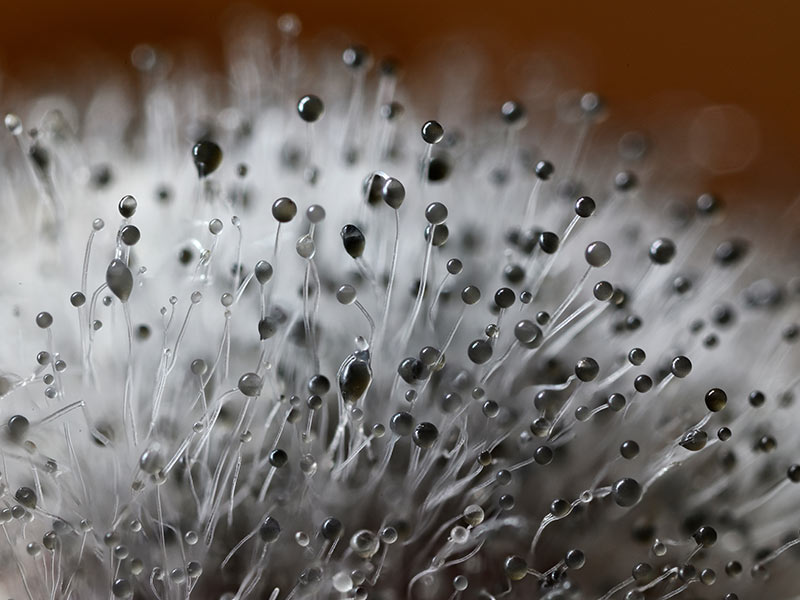
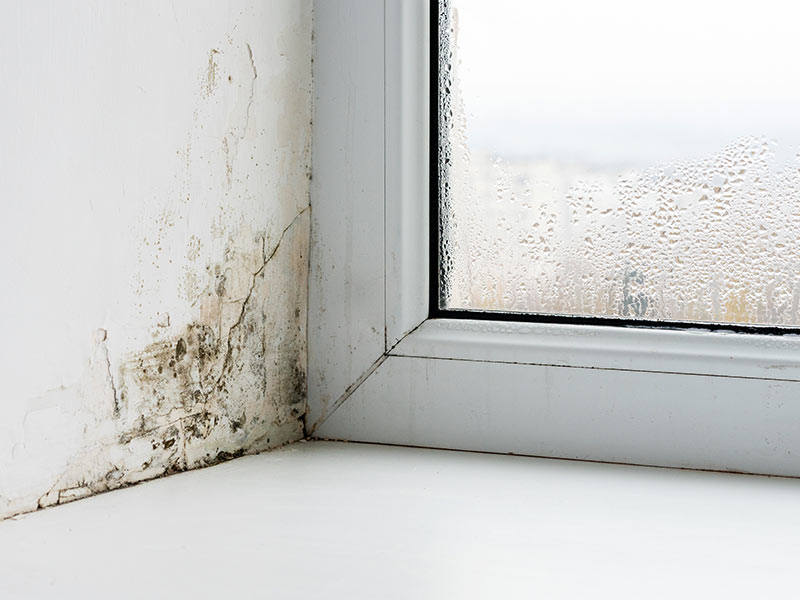
Mold thrives in damp and poorly ventilated areas, so it’s common to see black mold when there’s water damage. It then releases spores and mycotoxins, and this can irritate your eyes, skin, and more seriously, your respiratory system.
The good news is that not everyone will react severely to black mold. However, sensitive people (like children, older adults, and those with existing breathing issues) are more vulnerable to the health risks of black mold.
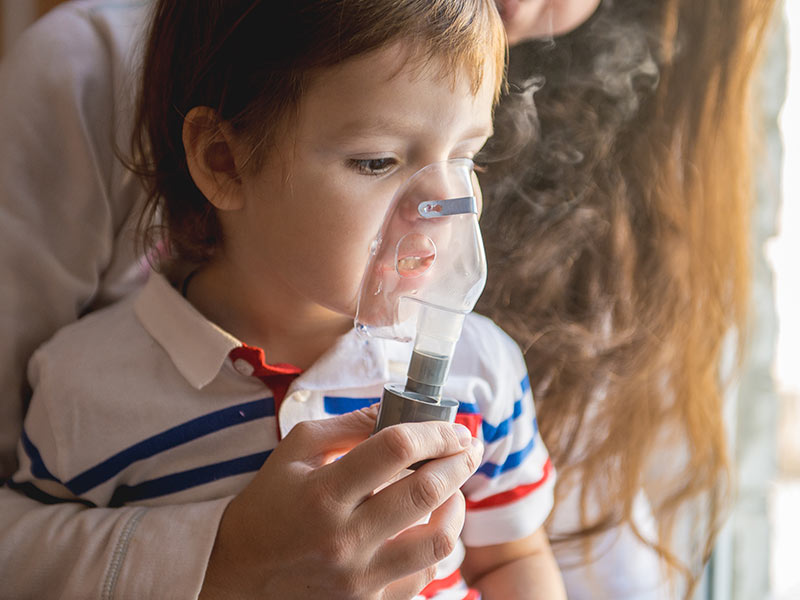
So it’s essential that when you notice water damage (look for these 20 signs) and black mold, you should take prompt action. Not only can it prevent health risks, but it can also stop structural damage to your house.
Is It Safe To Stay in a House With Black Mold?
Typically, it’s not safe to stay in a house with black mold, especially if the problem is extensive. It’s also not safe if the mold is present in areas where you spend a lot of time (such as the bedroom or living room).
It’s always best to be safe than sorry, as living around mold can be hazardous to your health. Temporarily relocating until proper remediation is completed can protect your household’s health.
What Happens if You Breathe in Mold From Water Damage?
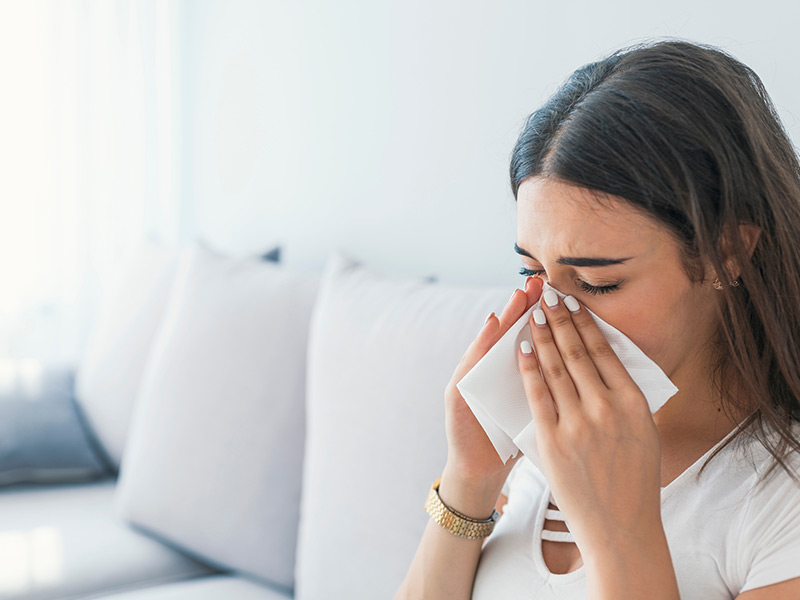
If you breathe in mold from water damage, this can irritate your respiratory system, and this can trigger several symptoms. They include:
- Sneezing
- Coughing
- Itchy eyes
- Throat irritation
Those who are exposed to black mold on a long-term basis may experience:
- Chronic sinus infections
- Skin rashes
- Fatigue
- Increased sensitivity to allergens
What’s tricky is that symptoms may seem mild at first, so you might think things are okay. But symptoms can worsen over time if you don’t address the mold problem with proper cleanup and ventilation.
Signs of Black Mold Growth From Water Damage
When you’ve had water damage in your property, you need to keep an eye out for signs of black mold. In general, they’ll appear if moisture has been present for more than 24-48 hours.
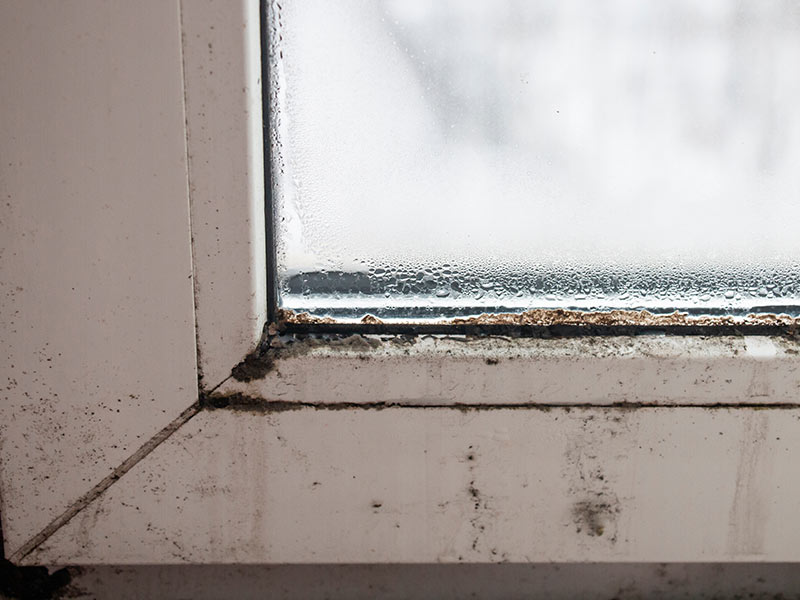
One of the key warning signs is if you smell a persistent musty or earthy odor, even if you don’t see visible growth yet. Other signs include:
- Dark, clustered spots or patches on the walls, ceilings, baseboards, or behind furniture
- Surfaces feeling damp, soft, or discolored (mold may be behind the drywall or flooring)
- Peeling paint
- Bubbling wallpaper
- Warping materials
Is It Safe To Clean Black Mold Yourself?
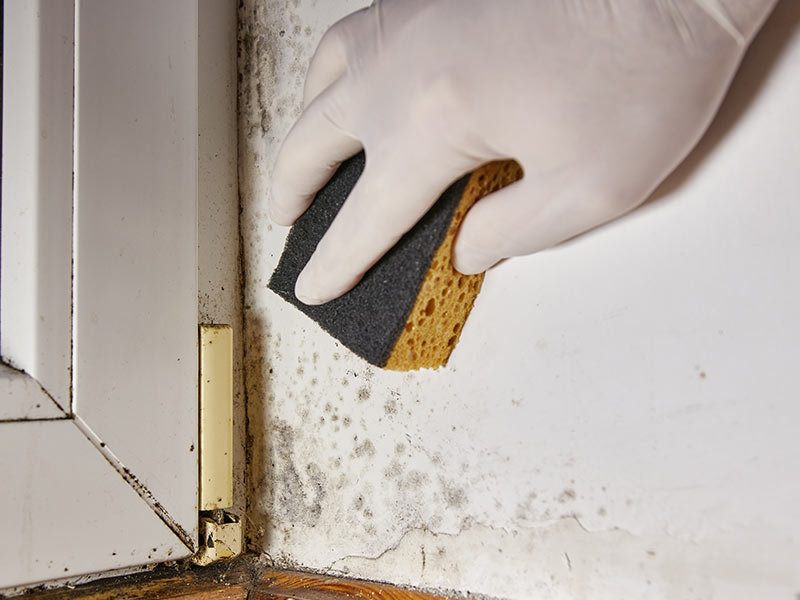
It can be safe to clean black mold by yourself if there are small amounts and you use protective gear. They include:
- Gloves
- Goggles
- N95 mask
You can use household cleaners or diluted bleach to remove surface mold, but the reality is that you may have deeper contamination in your property. Plus, if you don’t use the proper technique, you may disturb the mold and release spores into the air, and this can worsen exposure.
The following should never be handled by homeowners or renters:
- Large areas of mold
- Mold caused by sewage backup
- Mold in HVAC systems
Generally speaking, it’s wise to avoid DIY cleanup. A professional can thoroughly assess your property and remove the mold completely and safely. In addition, they can address the water damage.
What to Do if You Notice Black Mold Growth
As we’ve just said, DIYing cleanup probably isn’t the best route. If you’re in a water damage situation, try to locate and shut off the source of the water, and turn off the electrical power.
Next, you should call a professional remediation company like 24-7 Restoration. We offer extensive services, ranging from:
- Flood cleanup
- Sewage cleanup
- Leaky roof repairs
- Mold testing
- Mold removal
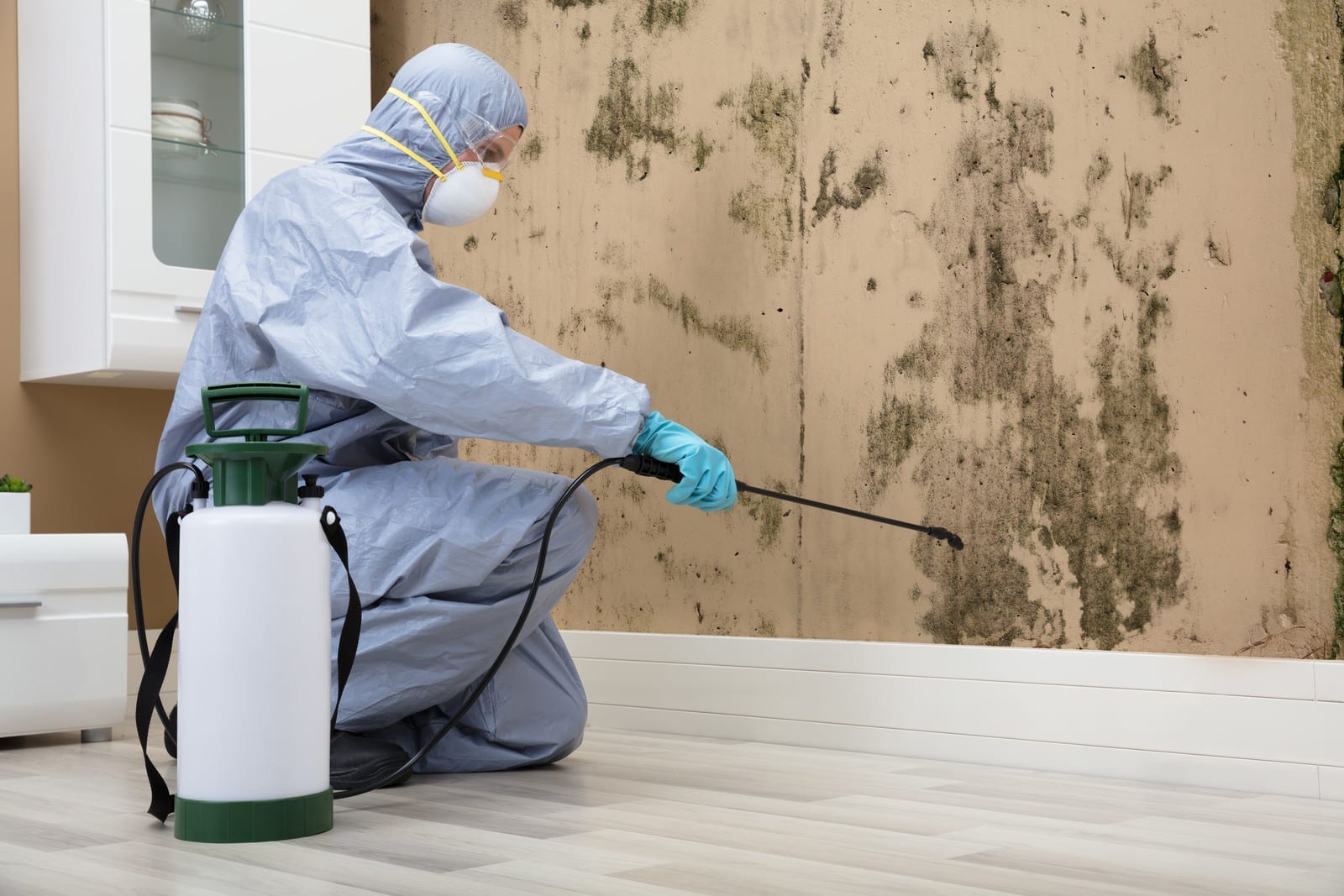
As you can see, we can completely address your problems to ensure that not only is the water damage gone, but also that the mold growth is removed. We’ll even call in an independent third-party testing company to make sure that all the mold is gone. Our team will also redo everything to make your house a home again, including floors, walls, ceilings, and paint.
We understand that emergencies can happen at any time of the day, which is why we’re available 24/7. Just call us, and we’ll be at your house within 60 minutes to take care of things.
Preventing Mold Growth
Of course, the best course of action is to prevent mold growth in the first place. And this is best done by preventing water damage. Here are the essential steps to take in the spring:
- Keep the gutters clean
- Take care of roof repairs
- Inspect your home’s foundation
- Test the sump pump
- Relocate snow
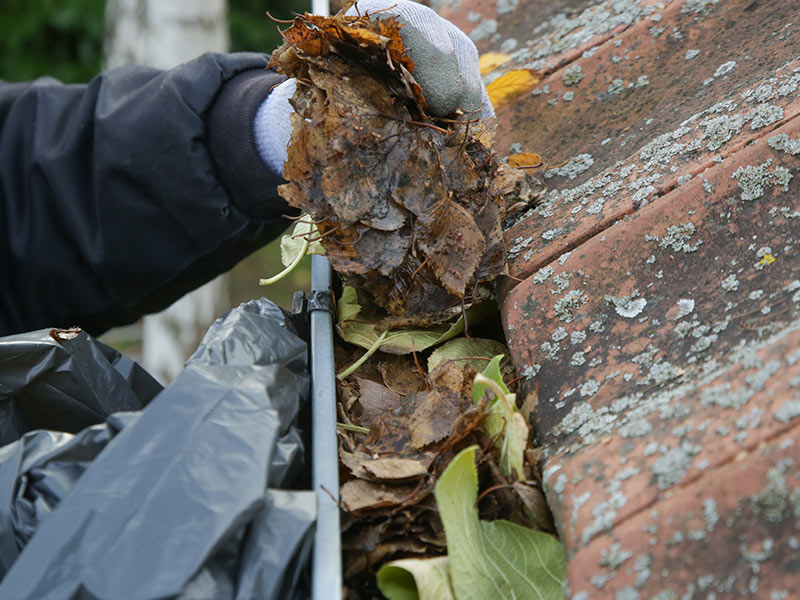
During the year, make sure that your home is properly ventilated and that it has the optimal humidity levels. And get mold removal services at the first sign of trouble.
Keep Your Home Free of Mold
The answer to the question, “Is black mold from water damage dangerous?” is “yes.” While in most cases, healthy individuals may only experience mild symptoms from black mold, it’s never a good idea to have it linger, especially if there’s water damage.
Instead, if you notice this toxic mold in your house, and there’s water damage, get a professional remediation company in. They can fix everything up so that your home is inhabitable and comfortable again, and you feel safe.
If you need assistance with water damage effects, then get in touch with us today. 24-7 Restoration is a local family-owned company that has won multiple awards and recognition from several prestigious organizations, showing our dedication to providing exemplary service!