What is soot? Soot is the dark, powdery residue left behind after a fire or heavy smoke exposure, and it can spread far beyond the area where flames were present. In homes affected by fire or lingering smoke, soot settles on walls, ceilings, furniture, and even inside vents, creating both visible damage and hidden risks.
After a fire, even a small one, many homeowners notice black marks, stubborn odors, or fine dust that keeps coming back. That is soot moving through the space. It forms when materials do not burn completely, and once it is in the air, it travels quickly and sticks to almost every surface it touches.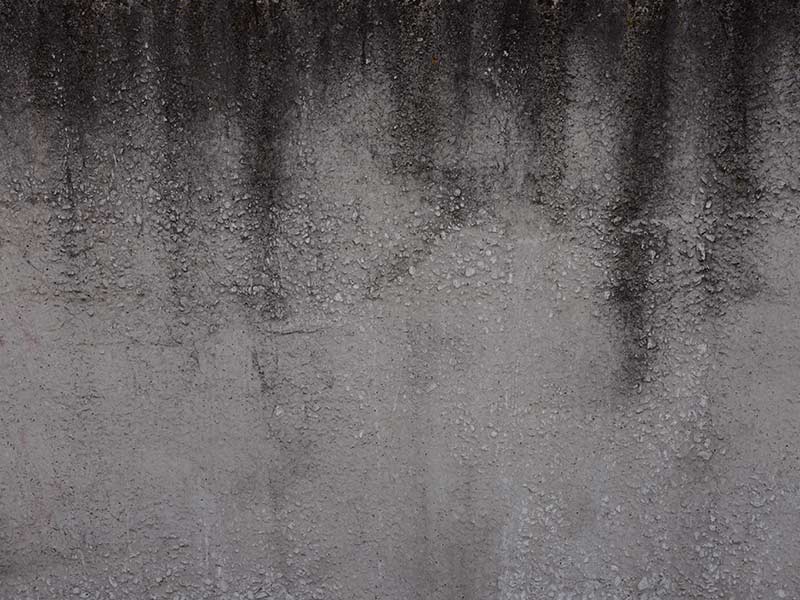
That puts real weight behind something many people initially see as just leftover residue from smoke.
Getting a clear picture of how soot behaves is the first step toward cleaning it properly, protecting indoor air quality, and avoiding long-term damage.
What is Soot?
Soot is what’s left behind after a fire or heavy smoke exposure, forming when materials like wood, plastic, or fabric do not burn completely. Instead of disappearing, tiny particles are released into the air and then settle across your home, often long after the flames are gone.
What makes soot especially frustrating for homeowners is how it behaves. It is not just surface dust you can wipe away. It clings to walls, ceilings, furniture, and even gets pulled through vents into other rooms. Because the particles are so small, soot does not stay contained to one area and can affect multiple surfaces throughout a home.
How Soot Spreads Beyond the Fire
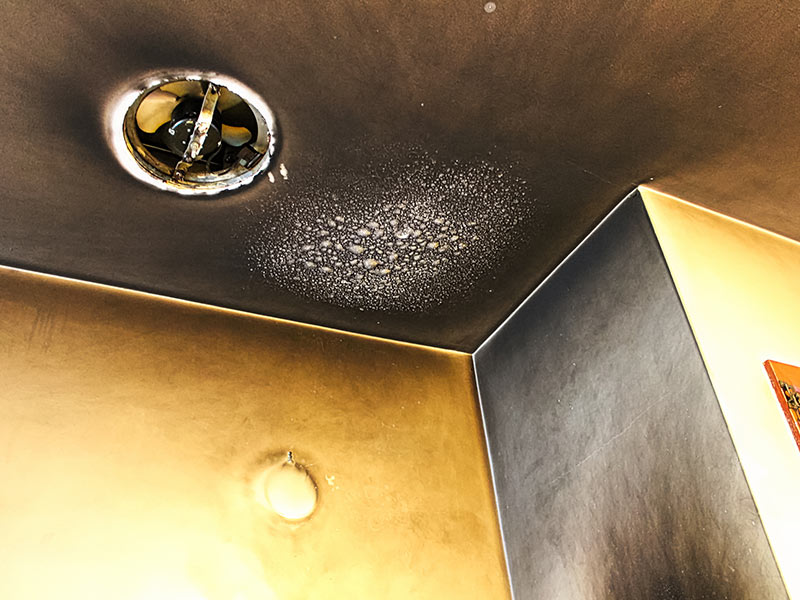
Soot does not stay where a fire starts. Once it enters the air, the particles move quickly through a home, carried by airflow from room to room. Even areas that were never directly exposed to flames can still be affected as smoke circulates and settles.
Because soot particles are so fine, they can pass through vents, doorways, and small openings, spreading far beyond the original source. Homeowners often notice residue in unexpected places, including closets, hallways, and rooms on different levels of the property.
What Causes Black Soot in Homes and Buildings?
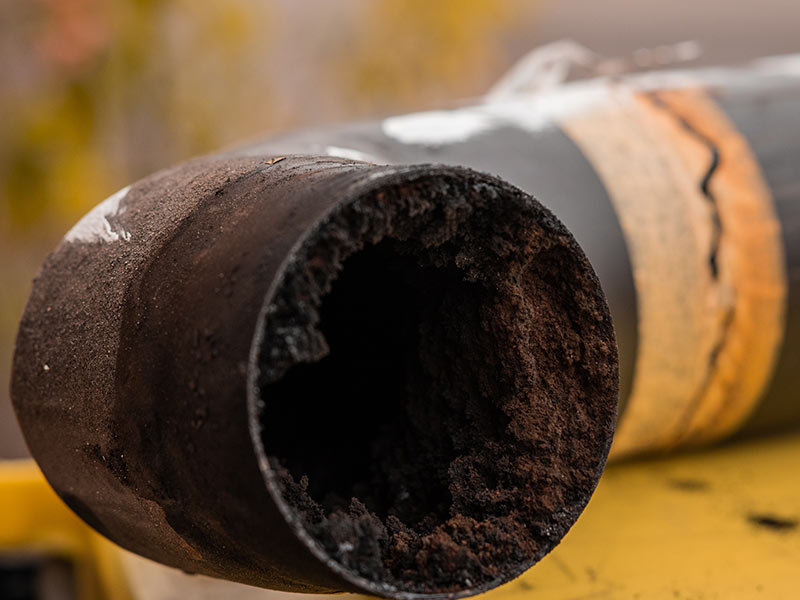
One common factor is restricted ventilation. When air cannot circulate properly, flames burn cooler and release more unburned particles. This can happen in tightly sealed spaces, around enclosed fixtures, or in systems that are overdue for maintenance. Fuel quality also plays a role. Lower-grade materials or contaminated fuel sources tend to produce more residue as they break down unevenly during burning.
Mechanical performance is another contributor. Equipment that is slightly misaligned or aging may still function but burn less efficiently. Over time, this subtle inefficiency creates a steady release of particles into the air. Instead of appearing all at once, soot buildup often forms gradually, becoming noticeable only after it has already affected multiple surfaces throughout a home or building.
Soot Health Hazards
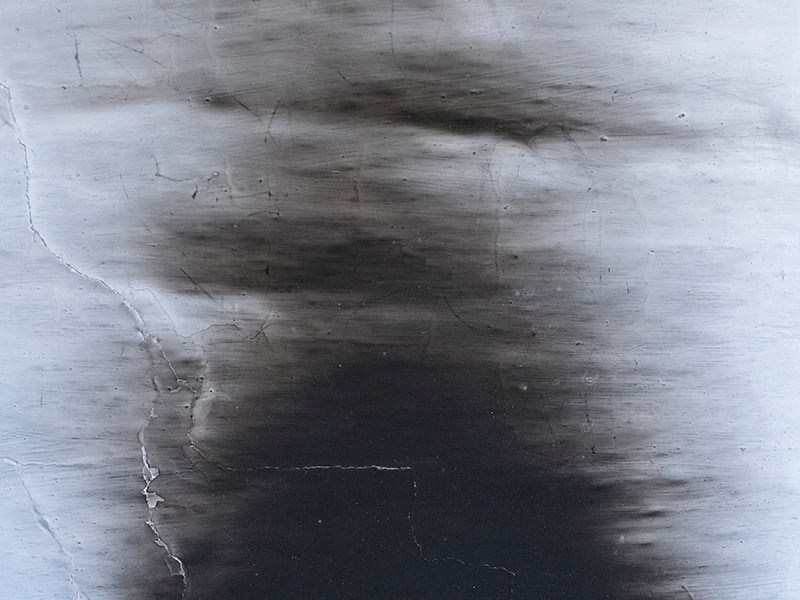
Soot poses a serious health concern because its particles can easily enter the body. The particles can be inhaled deep into the lungs and, in some cases, pass into the bloodstream. Once inside, they can irritate tissues and trigger a range of symptoms that may not always be immediately linked to soot exposure.
Short-term exposure often shows up as:
- Coughing
- Throat irritation
- Watery eyes
- Skin problems
- Shortness of breath

For people with asthma or other respiratory conditions, even low levels can worsen symptoms quickly. Prolonged exposure carries more serious risks.
Continuous inhalation of soot particles is associated with reduced lung function and increased strain on the cardiovascular system. That can be a major problem during wildfire season.
The risk is not limited to breathing it in. Soot can also settle on skin and surfaces, increasing the chance of indirect exposure through contact. In enclosed spaces, particles can linger in the air long after the source is gone.
Soot and Air Pollution
Soot has a direct impact on indoor air quality. Particles can remain suspended in the air long after the source is gone. This means that even if surfaces look clean, the air itself may still carry contaminants that continue to circulate throughout the space.
As air moves through a property, soot particles are repeatedly lifted and redistributed. Each time the heating or cooling system runs, it can pull settled particles back into the air, creating a cycle of recontamination. This ongoing movement can cause soot to return even after cleaning, leading to a stale or smoky atmosphere that does not fully clear without targeted removal.
Why Soot Stains Are So Difficult to Remove
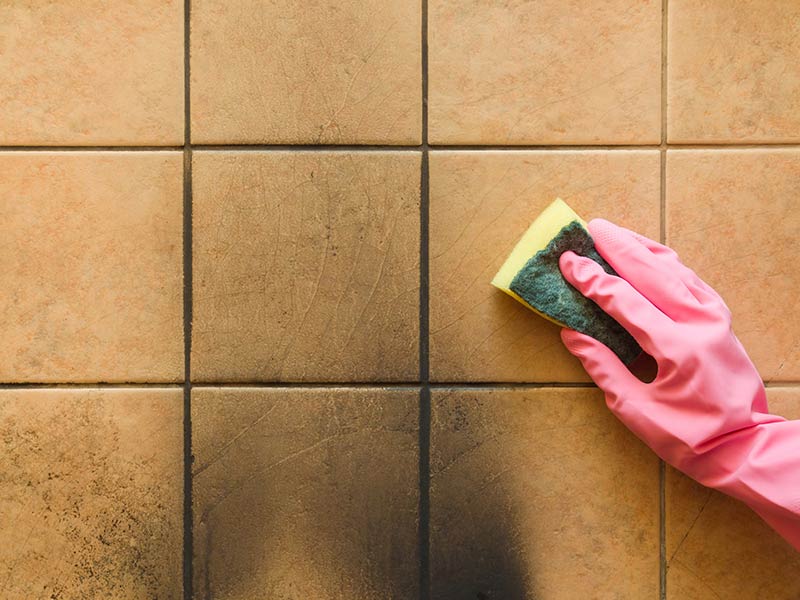
Soot stains are notoriously difficult to clean because of how the particles interact with surfaces. Unlike typical dirt or dust, soot has an oily, sticky quality that allows it to cling tightly and spread easily with even light contact.
When soot lands on a surface, it does not just sit on top. The fine particles can embed into tiny pores, especially in materials like:
- Paint
- Fabric
- Wood
- Drywall
Once embedded, the residue becomes harder to lift without specialized methods. Attempts to clean it with water or standard household products can actually push the particles deeper or cause the stain to set permanently.
Another challenge is how easily soot smears. A single pass with the wrong cloth or too much pressure can turn a small mark into a larger, more noticeable stain.
What are Soot Tags?
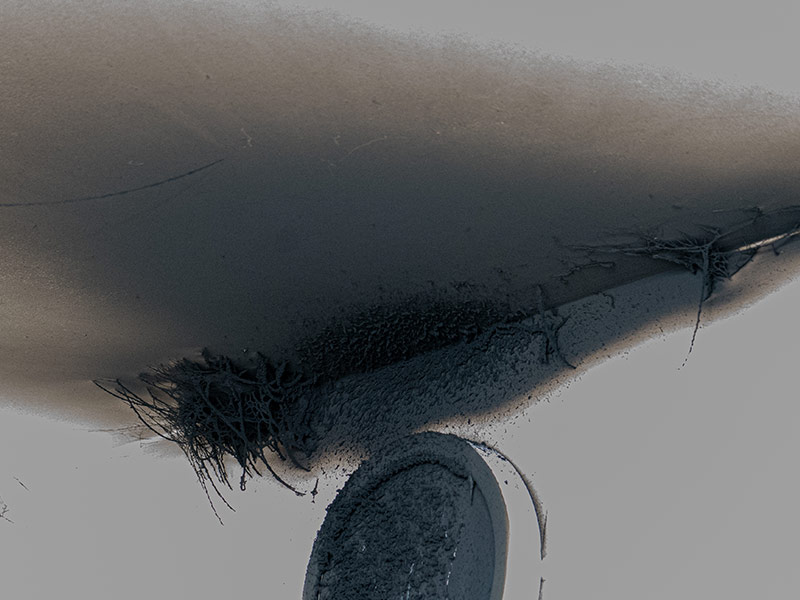
Soot tags are thin, stringy formations that appear after a fire, often resembling spider webs stretched across walls or corners. They are created when soot particles combine with moisture and airflow, forming light, chain-like strands that cling to cooler surfaces within a space.
These formations typically develop in areas with low air movement. As the air shifts and cools, the particles link together and settle in web-like patterns. They often show up in corners, along ceiling lines, inside closets, or in spaces that were not directly exposed to flames but still affected by smoke circulation.
Despite their appearance, soot tags are not dust or leftover cobwebs. They are newly formed structures made from combustion residue.
When Should I Get Professional Help With Soot Environmental Impact?
Professional help becomes necessary when soot extends beyond a small, isolated area or when the source and spread are not fully clear. Get professional help if residue:
- Appears across multiple rooms
- Keeps returning after cleaning
- Is accompanied by a persistent smoky odor
- Shows up near vents or continues spreading over time
It usually signals deeper contamination that DIY restoration cannot resolve.
 After any fire event, even a minor one, it is wise to bring in trained professionals with knowledge of soot removal methods. Soot can settle in hidden spaces, where it continues to affect air quality and surfaces over time. Entering or cleaning these areas without proper equipment can expose you to harmful particles and make the damage worse.
Professional services are also important when sensitive materials or equipment are involved. Specialists use controlled techniques and filtration systems to remove residue safely while preventing further spread.
What is Soot? Now You Know
What is soot? You should have a stronger understanding with this guide.
If your home or business has been exposed to smoke or fire residue, 24-7 Restoration is here to help. Our team specializes in fire and smoke damage cleanup, working to remove soot, restore affected surfaces, and return your property to a safe, livable condition.
With experience serving Longmont, Boulder, Fort Collins, and Lakewood, we deliver fast, local support when it matters most and help guide homeowners through the cleanup and recovery process. Call us today to get your property back to a safe, livable condition without delay.