With the U.S. Fire Administration estimating that residential buildings experienced almost 24,000 fires across the country, and electronics being a major cause of these, you need to know how to put out an electrical fire.
In short, if the flames are large enough, don’t do this, and instead focus on the safety of yourself and others. However, if the flames are not going to endanger you or others at present:
- Cut the power
- Use a blue-labeled dry powder or a black-labeled CO2 extinguisher
- Stand with the exit behind you
- If you cannot fight the fire, then evacuate and call 911
Of course, there is more to know than those simple bullet points. The following electrical fire safety tips will explain the nuances that will keep you safe should this ever happen in your home or office.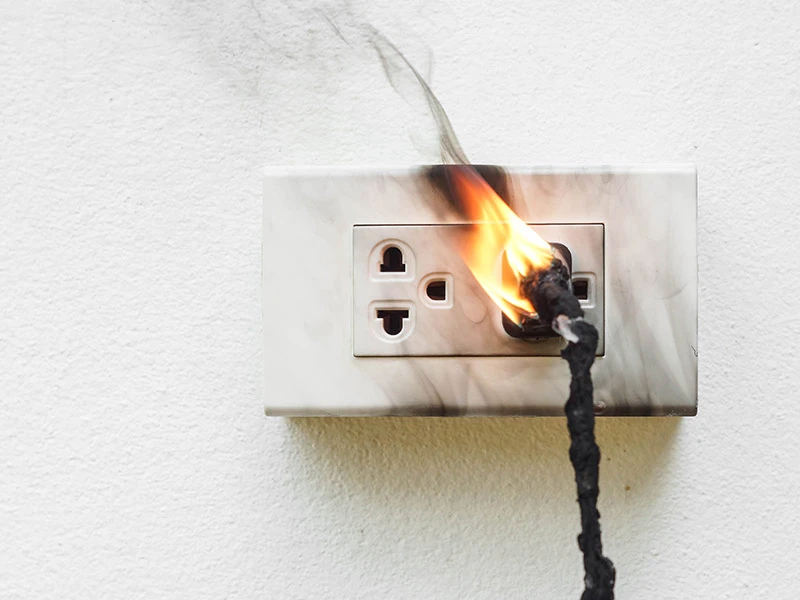
How to Put Out an Electrical Fire Safely
No matter who you are, it is imperative that when putting out electrical fires, you focus on the people first, rather than your assets. As such, we feel it is essential to say that unless everyone is safely away from the fire, ignore the assets around you and focus on ensuring that all people can evacuate.
However, if everyone is safe, the fire is small enough to tackle, and you are not likely to come into danger yourself, you can consider fighting the fire.
First, confirm that it is an electrical fire, check for sparking outlets or power strips without getting close. Then, if you have the right equipment, use itto respond.
Stand Back from the Fire
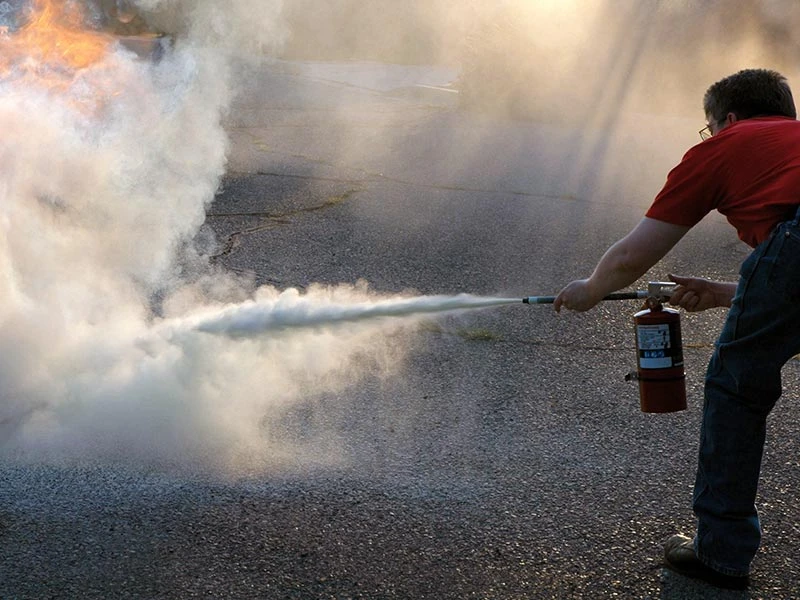
Do not stand near the fire. Start several feet back, and only move closer as the flames start to die down. Make sure that you maintain this space so that you can react should something unexpected occur, and so that you can see and breathe clearly.
If you need to, kneel to avoid the smoke layer. As smoke rises, it can harm your visibility and your lungs, so if it’s already too much to handle, get out.
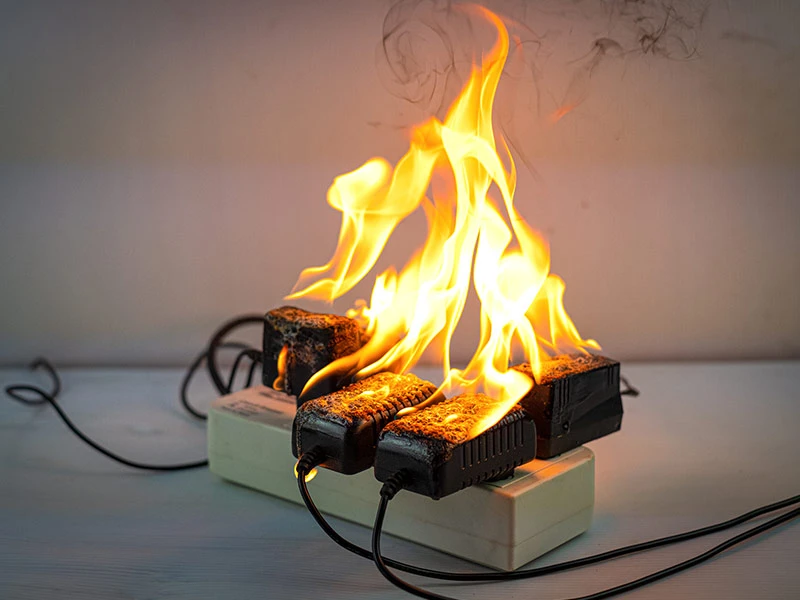
Aim at the Base of the Flames
Aim low, at the base of the flame, before you use the extinguisher. Then, when you activate it, apply the contents in sweeping motions side to side. Remember that you are attempting to smother the fuel that is causing the fire, rather than the flames themselves or the smoke coming off of it.
Should the flames reappear, then you may use the extinguisher once more in short bursts. However, be aware that this may be due to another fire under the floor or behind a wall that you cannot see, so try to back away if this occurs and do not remain in that area.
If the heat intensifies or the smoke starts to thicken, especially after you apply the extinguisher’s contents, immediately retreat and evacuate.
If you are using a CO2 or powder extinguisher, then remain aware of how difficult it might be to breathe. The fire will already be pulling oxygen out of the area, and adding CO2 may make it quickly dangerous. Once the fire is confirmed to be out, ventilate the area as best as possible.
How to Cut Power Safely Before Extinguishing Electrical Fires
While the fire is burning, it can be hard to see if there are specific hazards, such as electronics, in the area. So, if possible, quickly look for the circuit breaker and turn it off. While this will prevent the electricity from causing more fire, the flames are likely to continue burning, and so you do this to prevent yourself from coming to harm due to electric shock.
Extinguishers for Electrical Fires
It may seem strange, but many people forget that electronics exist in a fire and may, in fact, be the cause of it. For this reason, you must know the difference between the range of extinguishers and which are safe to use on an electrical fire.
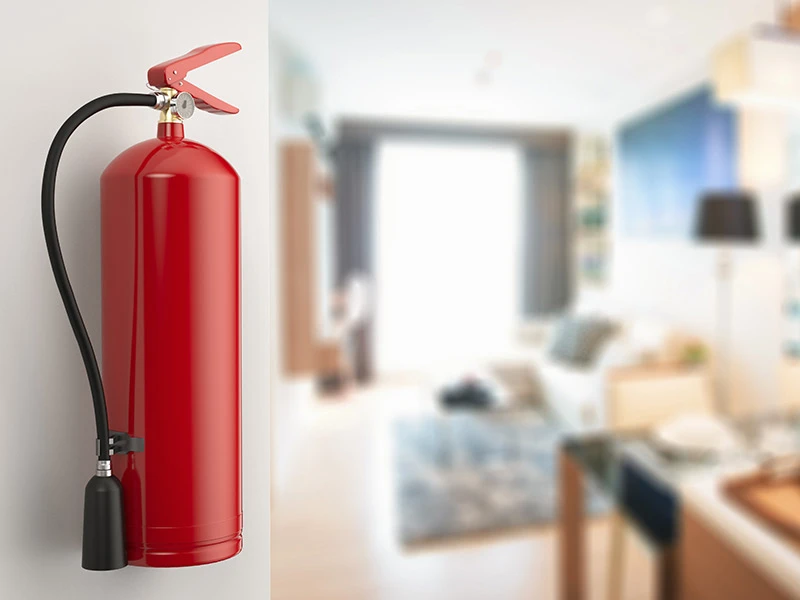
All extinguishers should have their rating on their side. The extinguishers specifically for electrical fires contain nonconductive contents, which you can use to tackle an electrical fire without coming to harm. They will coat the fire in a dry powder that will prevent it from gathering oxygen to burn, or they will fill the area with carbon dioxide for the same effect.
If you have turned off the power, and you have one, you can use a fire blanket instead for smaller fires. Place it gently over the base or fuel of the fire, avoiding wafting or waving it around to avoid giving the fire more oxygen. Then, leave the blanket in place until the fuel and the blanket are cool, as lifting it early could reintroduce oxygen as it shifts, causing the fire to reignite or you to come to harm.
Also, make sure to replace or refill any extinguisher you have used in the past. Inspect the extinguishers to ensure they have maintained their pressure. If anyone uses one as a prank or game, consider it used, and you will need to refill it.
So, instill into those who may enter your home or office the importance of having a functioning extinguisher, as you don’t want to have a non-functioning extinguisher when you need it the most.
Is Putting Water on an Electrical Fire Dangerous?
Energised equipment, such as power cords, can pose a significant hazard for those attempting to extinguish a fire. Once power is confirmed off, you can use water or a water-based extinguisher on many fires, but you should still be cautious.
Electrical power can be conducted through water, injuring the person trying to fight the fire. Also, some people or offices may have systems that store power in case of a power cut, which you may need to be aware of. Finally, if other materials such as cooking oil or petrol have caught fire, water will only exacerbate the situation.
If someone has already done this, and the electricity causes them to be shocked, you must turn off the power and then ensure that they are safe. Help them evacuate, then call 911 and start CPR if you are trained to do so. Usually, you would not want to move them, but the immediate danger of the fire means that you must.
Can You Use Baking Soda on the Fire?
Sodium bicarbonate releases CO2 when heated, and chefs have been known to espouse the use of this standard kitchen material when handling tiny fires. However:
- Ensure that you pour the baking soda to cover the base of the fire
- Make sure you are not using baking powder
- Never use any form of flour, as this can explode
- If the flames persist, then evacuate following emergency fire procedures

Handling an Electrical Fire in the Wall
A fire that exists in the wall is not only easily able to spread, but you cannot always be aware of what has occurred behind your panels. Breaking through a wall may grant the fire a new source of oxygen and cause it to expand suddenly. So, instead, leave this to the professionals.
Restore Your Home to Its Pre-Fire Glory
After learning how to put out an electrical fire, you should be able to handle any smaller incident that occurs in your home or office. However, afterwards, you will want to get your space back to how it was as soon as possible.
24-7 Restoration is the leading authority in emergency cleanup, and we can be there to help you, no matter how the damage occurred.
If you are in our area, our local team can be with you within the hour. So, get in contact today and get back to a sense of normality that much faster.

Can ABC Extinguishers Damage Electronics Compared to CO2?
ABC Powder is a dry chemical used in fire extinguishers that is safe to use on electrical fires. While they may save lives, they are likely to ruin electronics as they can quickly corrode circuit boards and other equipment.
Carbon dioxide is preferred around sensitive equipment, but we cannot overstate that the safety of everyone around you is a priority compared to your assets. Smoke damage will likely occur regardless, so if you only have an ABC extinguisher, do not hesitate to use it.

What Size Electrical Fire Can a Homeowner Safely Attempt to Extinguish?
Why Is Putting Water on an Electrical Fire Dangerous?