Did you know tree roots are responsible for more than 50% of all sewer blockages?
When tree roots invade your pipes, they don’t just slow your drains. They can lead to backups, costly repairs, and serious health risks for you and your family. In Boulder County, where clay soil and thirsty trees create the perfect conditions, root intrusion is a problem every homeowner should know how to prevent and address.
Signs of Root Intrusion
Detecting root intrusion early can save you from major problems. Roots don’t give obvious warnings. They quietly spread under your house and property until a crisis arises.
Recognizing these early signs can help you take action before the damage worsens:
Indoor Warning Signs
Slow drains in sinks, tubs, or toilets are often the first clue of root intrusion. As roots grow inside pipes, they obstruct water flow.
Another clear sign is gurgling sounds from drains, caused by air bubbles created when water struggles to pass through blockages. These sounds are more noticeable when multiple fixtures drain at once.

Outdoor Clues
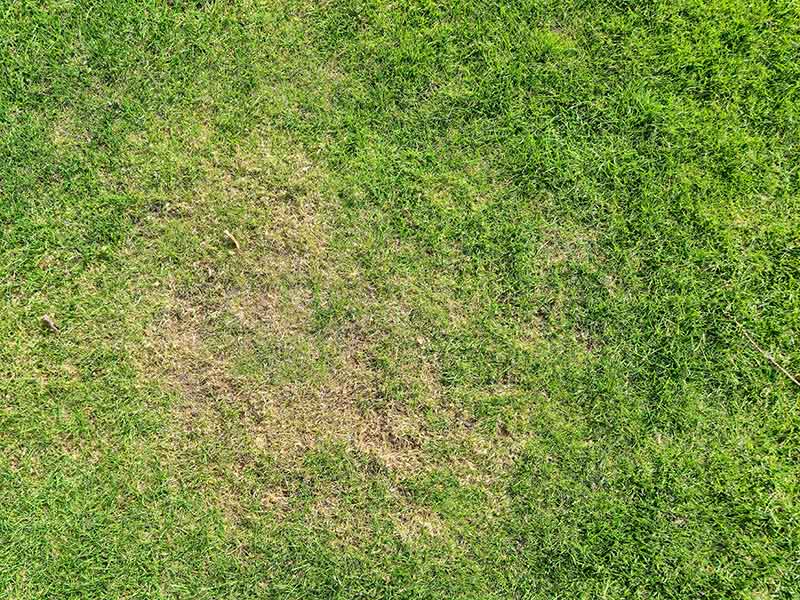
Your yard can also reveal signs of trouble. Lush, unusually green patches of grass may indicate where roots have breached pipes, creating areas rich in water and nutrients.
Sewage odors in your yard are another red flag, signaling pipe leaks caused by root damage. These smells often become more noticeable in warm weather or after rain.
Severe Signs
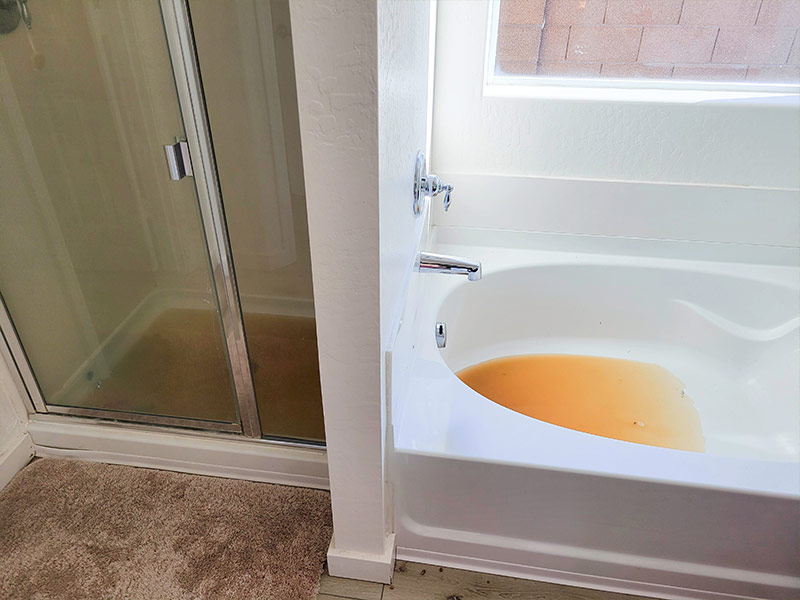
Frequent sewage backups or recurring clogs suggest extensive root growth in your pipes. In extreme cases, sinkholes or soft spots in your yard may form, indicating pipe damage and soil erosion. These situations require immediate professional attention.
Why Roots Target Pipes
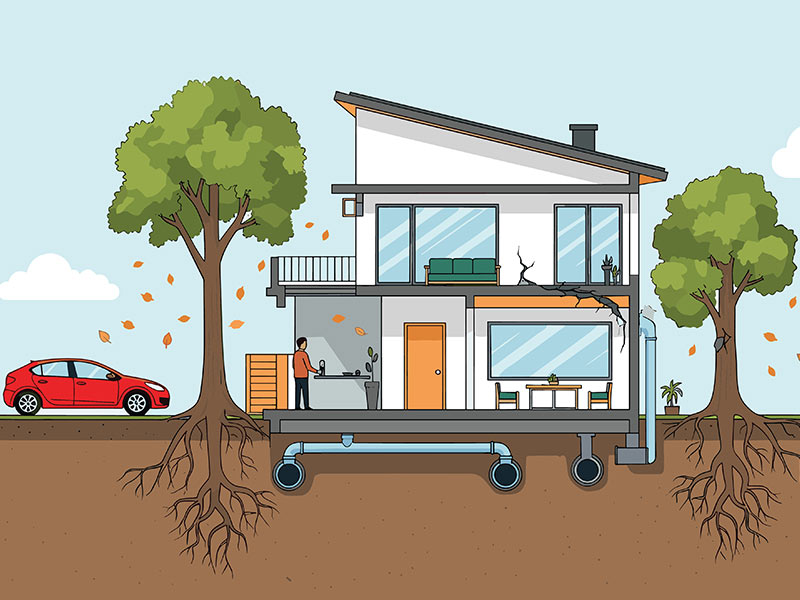
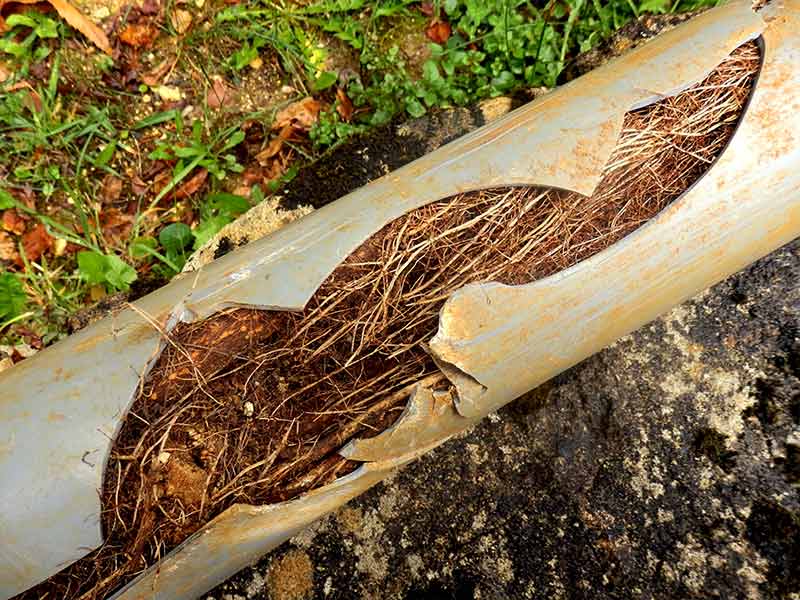
Tree roots don’t invade pipes randomly. They are drawn to very specific conditions. Understanding this process can help you identify vulnerable areas and take preventative measures.
The Science of Root Growth
Roots seek water, oxygen, and nutrients, all of which sewer pipes provide in abundance. Even small cracks or loose joints emit moisture that roots can detect from surprising distances—even 100 feet!.
 Boulder County’s clay soil adds to the risk by stressing pipe joints during dry periods, creating openings for roots to exploit.
High Risk Trees
Certain tree species are more likely to damage pipes.
 Cottonwoods, Siberian elms, and boxelders have aggressive root systems that actively seek out water sources, traveling long distances if necessary. These trees are common in Boulder County and pose significant risks to nearby sewer lines.
Other species with highly invasive roots include sycamores, willows, oaks, maples, aspens, and birches. Homeowners in mature neighborhoods should be especially cautious about planting or maintaining these trees near underground utilities.
Pipe Vulnerabilities
Older homes often have clay or concrete pipes, which are more prone to cracking and root intrusion. Homes built before the 1980s are especially at risk.
Even modern PVC pipes can develop weak points if joints loosen or shifting ground causes fractures. Regular maintenance can help identify these vulnerabilities early (more on that later in this post).
DIY Root Removal Methods
If you detect minor root intrusion, you can try several do-it-yourself solutions. Just keep in mind that these are temporary fixes. In my opinion, it’s best to understand their limitations and consult a professional plumber to address the problem at the source.
Chemical Root Killers
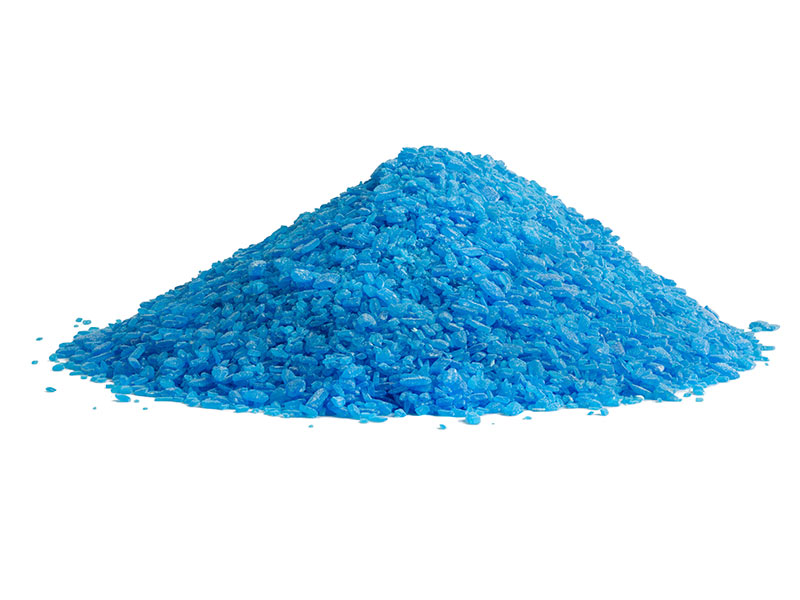
Copper sulfate is a common product that kills roots without harming pipes. Flush about half a cup down your toilet and avoid using the affected drain for several hours.
Similarly, rock salt can dehydrate and kill roots. Apply two pounds of rock salt in small doses, flushing thoroughly after each application.
Foaming Root Killers
Foaming products offer more thorough coverage, expanding to coat affected pipes. Most use dichlobenil to kill roots while preserving pipe integrity. These products are particularly effective when applied to pipes with minimal water flow. Please be sure to follow the manufacturer’s instructions carefully to maximize results.
Limitations of DIY Methods
While effective at killing roots, chemical treatments don’t repair pipe damage, and dead roots can continue blocking pipes until they decompose.
DIY solutions are best suited for early-stage root intrusion. Advanced cases or significant pipe damage require professional intervention.
Professional Root Removal Solutions
When DIY methods aren’t enough, professional techniques can eliminate roots and address underlying damage.
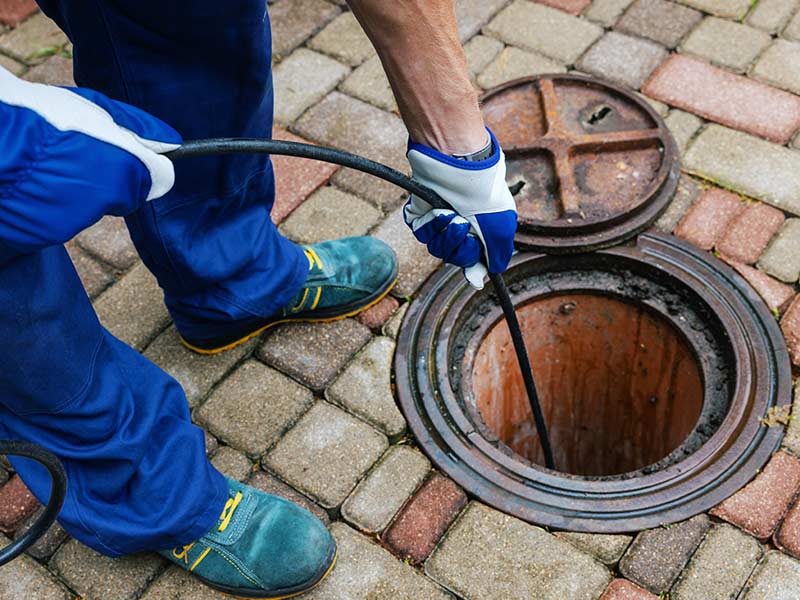
Hydro Jetting
This method uses high-pressure water (up to 4,000 PSI) to cut through roots and clear pipes. Hydro jetting not only removes blockages but also thoroughly cleans pipe interiors, reducing the likelihood of future clogs.
Camera Inspections
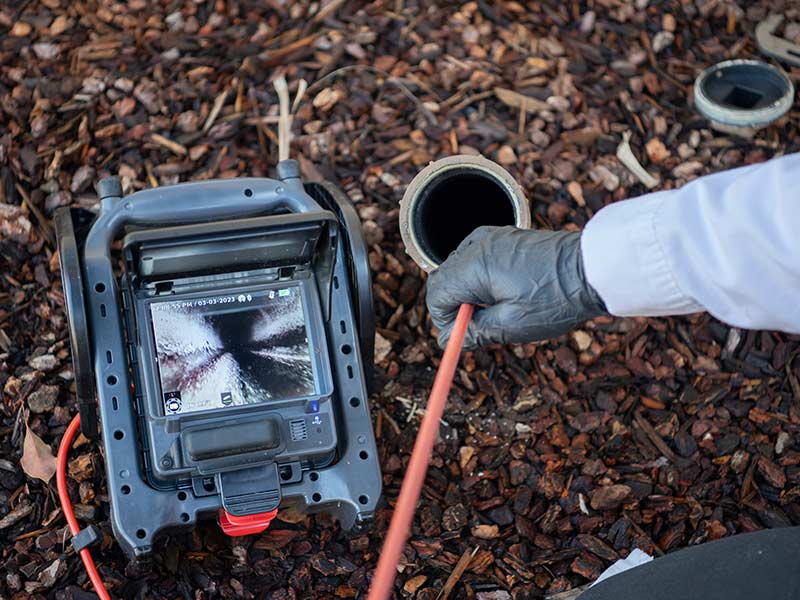
Plumbers use specialized cameras to look inside pipes and see exactly where roots have intruded.
These inspections not only show the extent of current damage, but also uncover weak spots, loose joints, and areas at risk of future intrusion. With this information, plumbers can recommend the right repairs and long-term prevention strategies for your property.
Mechanical Rooters
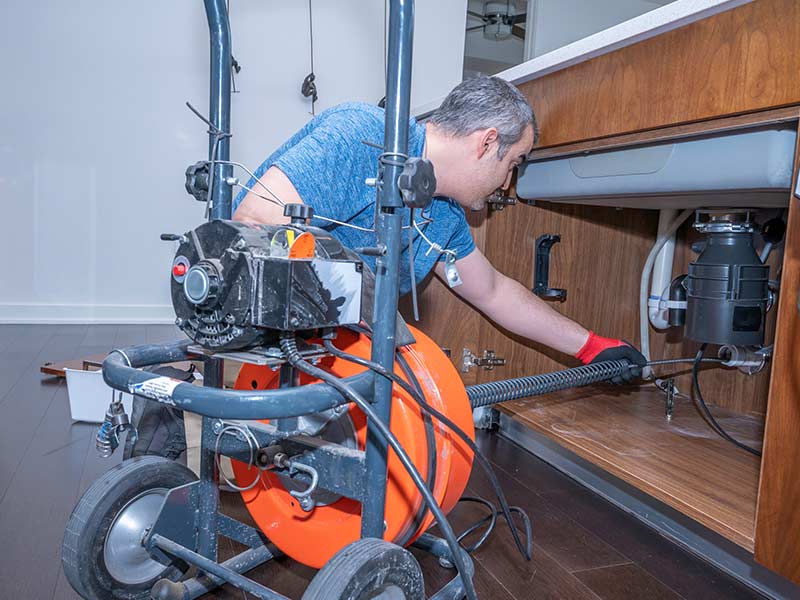
For dense root blockages that chemicals can’t clear, plumbers rely on mechanical cutting tools called rooters, which is where Roto-Rooter gets its name.
These devices slice through roots while protecting the pipe’s structure, ensuring blockages are fully removed. With different cutting heads designed for various root types and pipe materials, professionals can clear even the toughest clogs while minimizing risk to your sewer system.
Preventing Future Root Intrusion
Preventative measures can protect your pipes long-term and reduce the risk of recurring issues.
Choose the Right Trees
When landscaping, select tree species with non-invasive root systems, such as dogwoods or Japanese maples. These trees provide beauty without the aggressive roots that threaten underground pipes. Personally, I love the color of Japanese maples.
Just as important is placement. Be sure to plant large trees at least 20 to 30 feet from sewer lines, and smaller trees 8 to 10 feet away. These distances allow roots to grow naturally without risking intrusion into your pipes. If you need help locating the lines, call 8-1-1 to speak with your local utility location service.

Install Root Barriers
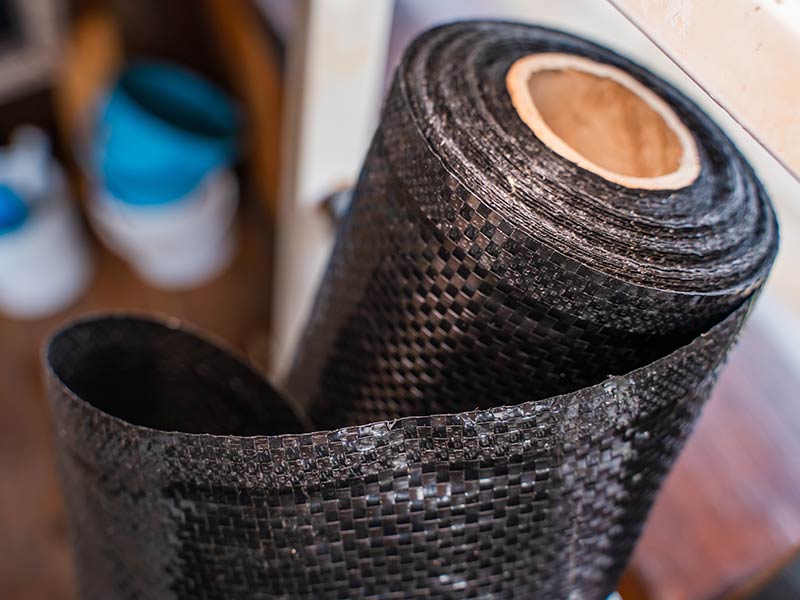
Root barriers made of metal, plastic, or heavy fabric can be placed around pipes to redirect roots away from vulnerable sections.
When installed deep enough, they guide roots safely while allowing trees to grow normally above ground. Professional installation ensures lasting protection and helps keep nearby trees healthy.
Maintain Your Sewer System
I highly recommend that you schedule yearly sewer inspections to catch root intrusion or pipe damage early.
As mentioned earlier, professional cameras can spot loose joints and other weak points before they turn into costly emergencies. This usually runs homeowners $300 to $400 per inspection. That’s not too bad when you compare it to the cost of intensive repair.
If your home has older clay or concrete lines, you should pair your inspection with an annual hydro-jetting to clear debris and discourage root growth inside pipes.
Lastly, when you water your trees, direct watering away from sewer line areas so roots aren’t encouraged to grow toward your pipes.
Long Term Solutions
For lasting protection, consider upgrading components of your home’s sewer system.
Modern Pipe Materials
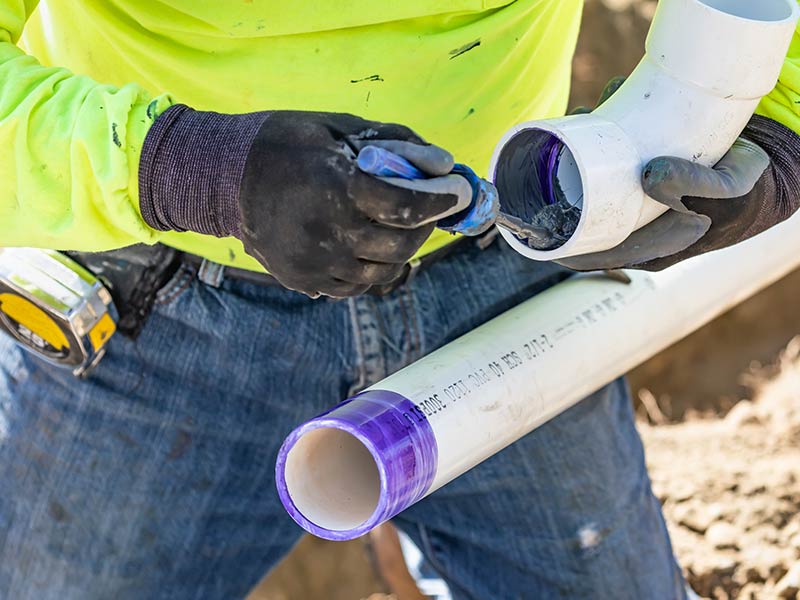
PVC pipes are far more resistant to root intrusion than older clay or concrete lines. Their smooth interiors and tight joints leave fewer entry points for pesky roots.
When replacing damaged sections, consider upgrading the full vulnerable area to PVC so the problem doesn’t just shift to older pipes nearby.
Pipe Lining
Cured-in-place pipe lining installs a resin-coated liner inside existing pipes, which hardens into a smooth, jointless barrier.
This root-resistant surface blocks future intrusion while preserving landscaping, since the process requires minimal digging.
Sealed Joints
Properly sealed pipe joints remove the small gaps that roots use to get inside. Professional sealing keeps joints tight even as soil shifts, addressing the problem at its source and reducing the risk of future intrusion.
When to Call a Professional
Know when to seek professional help to avoid worsening the problem.
Emergency Situations
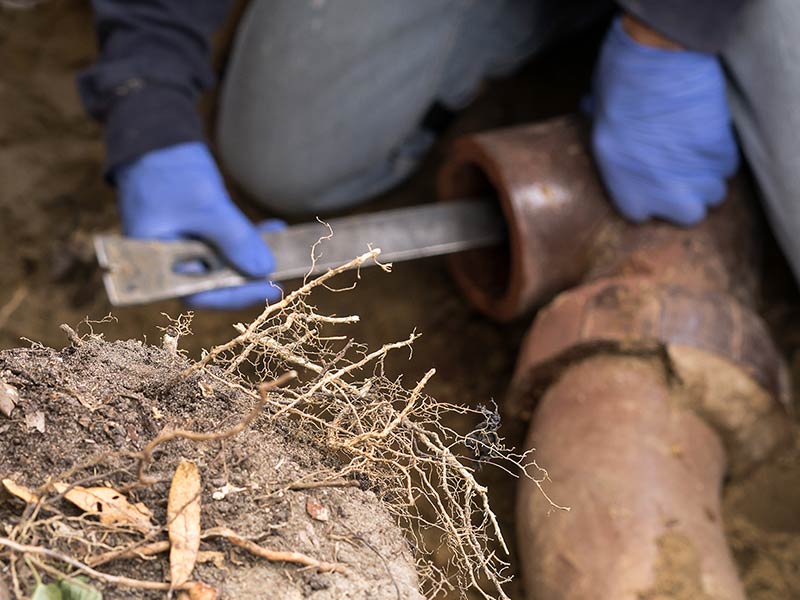
Complete sewage backups or multiple fixture clogs are red flags that require immediate professional help. These often point to severe root intrusion that DIY methods can’t resolve safely. Only professional equipment and expertise can clear the system and protect your property from further damage. If water or sewage has entered the home, the restoration process typically includes:
- Initial Assessment
- Water Removal
- Drying and Dehumidification
- Cleaning and Sanitizing
Signs of Major Damage
Sinkholes, foundation settling, or significant pipe breaks point to advanced root intrusion. At this stage, only professional assessment and repair can fully address both the damage and the underlying causes to prevent future problems.
Protect Your Boulder County Home
Tree root intrusion can escalate quickly, leading to costly repairs and health risks. Regular maintenance, early detection, and professional intervention are key to protecting your home.
Boulder County’s unique soil and common tree species present specific challenges, but with the right approach, you can keep you sewer lines safe.
 If you’re dealing with a backup or property damage, don’t tackle it alone. 24-7 Restoration is Boulder County’s trusted restoration team, ready to respond anytime to clean up damage and restore your property.