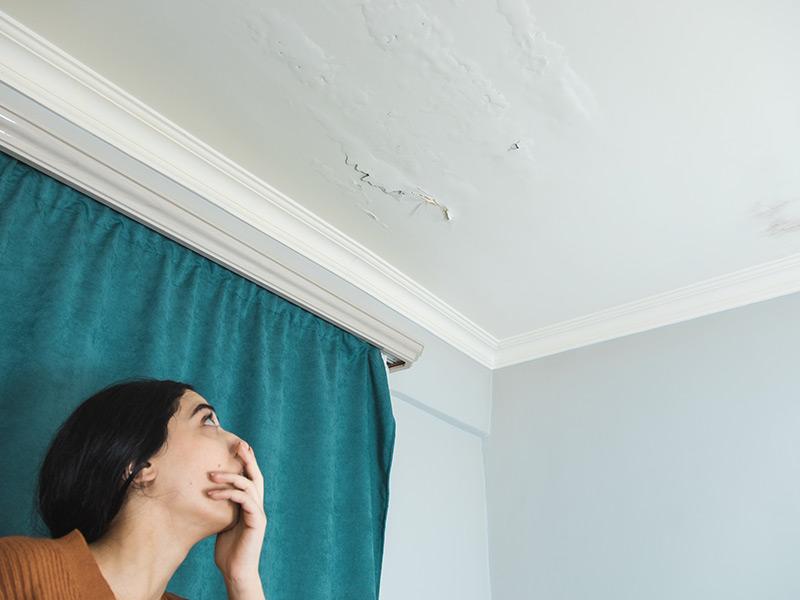
Water damage often appears as stains, warped materials, peeling paint, musty odors, and hidden moisture behind walls or flooring. Recognizing these changes early helps limit mold growth, asbestos disturbance, and costly structural repairs. Having the correct answers to the question, “What does water damage look like,” protects both property value and personal health.
Recent industry research reported by Hippo Insurance states that more than four out of ten homeowners experienced non-flood water damage in the past year, while over one-fifth faced flood-related losses. These numbers show how common water intrusion has become.
Water damage rarely begins with dramatic flooding. Minor leaks, slow pipe failures, and hidden moisture often cause the greatest long-term harm. Many Boulder County homes face added risk from snowmelt, aging plumbing, heavy spring storms, and older construction materials.
Many residents search online, asking one question: What does water damage look like? Clear answers prevent delayed repairs, health risks, and insurance complications.
Plus, homeowners who act fast avoid major reconstruction. Understanding signs of water damage gives property owners control and protects long-term investments.
How Can You Tell If You Have Water Damage?
Water damage often begins quietly. Subtle changes in surfaces, smells, and textures usually appear first.
Common early indicators include:
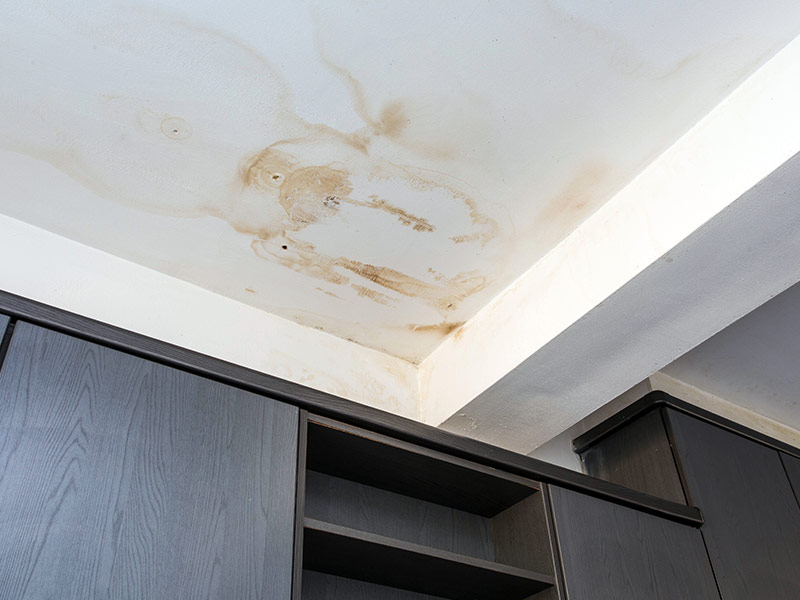
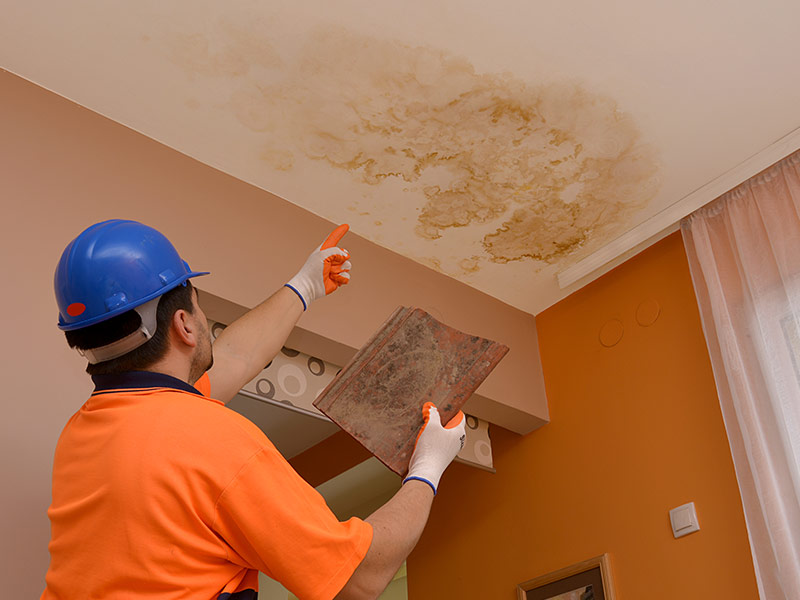
Yellow or brown ceiling stains
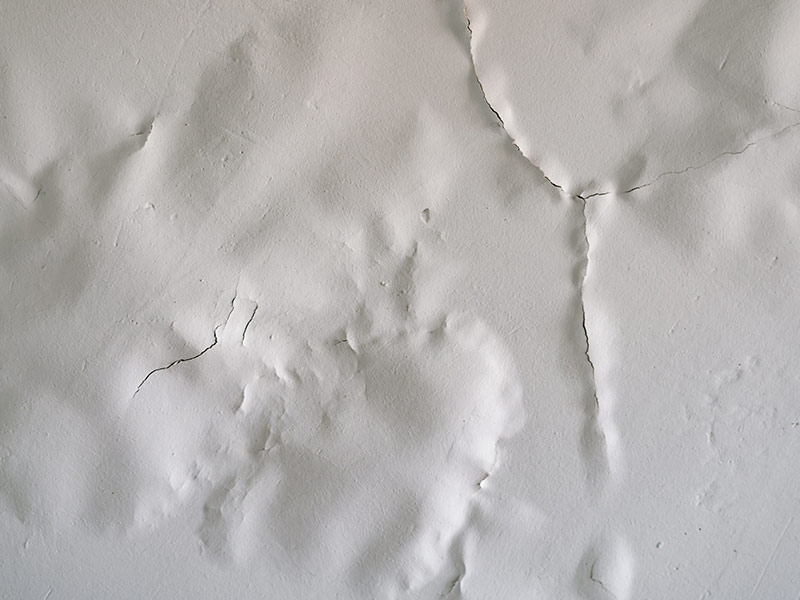
Bubbling or peeling paint
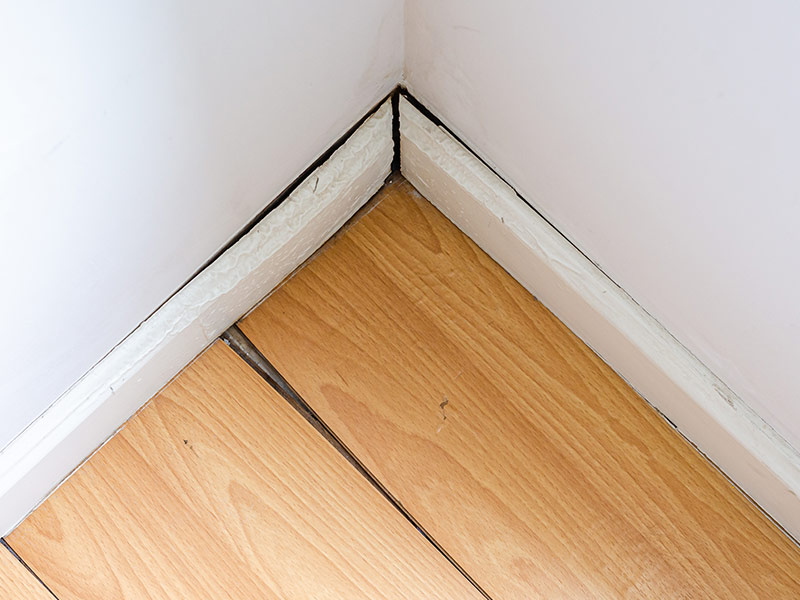
Warped baseboards
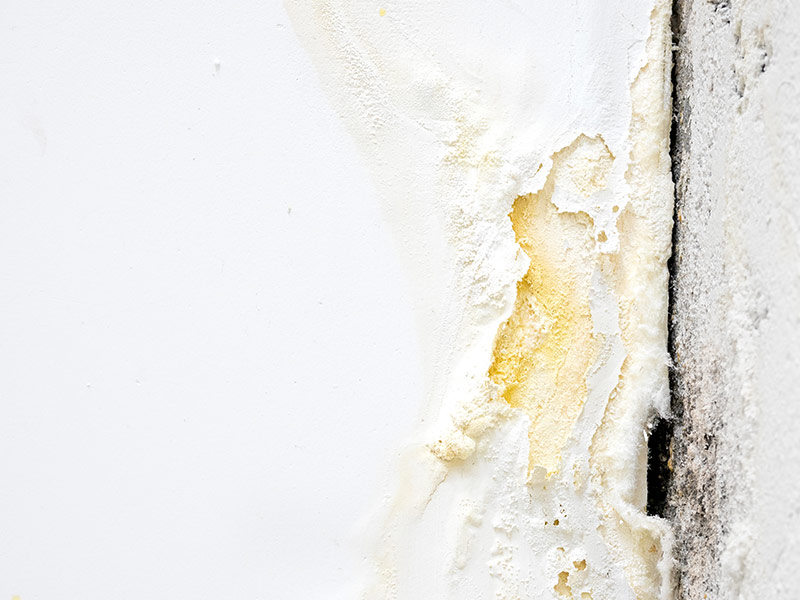
Soft drywal
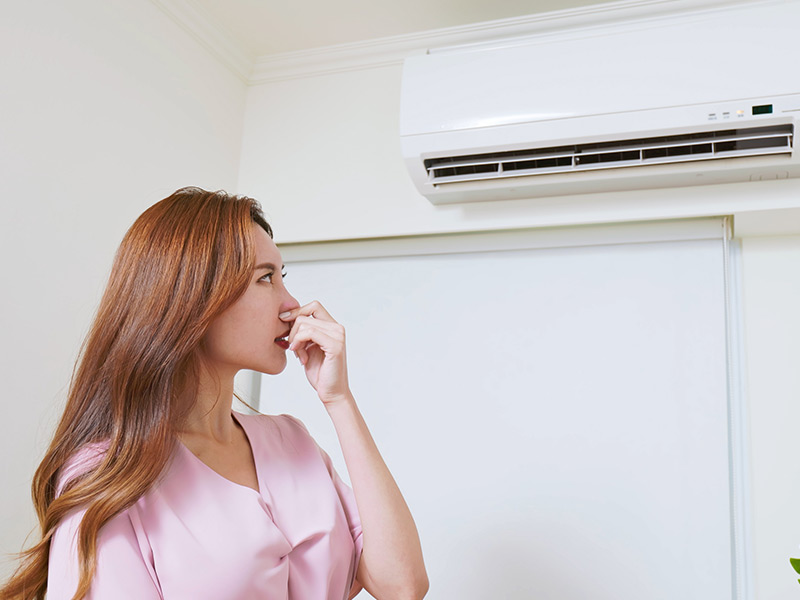
Persistent damp odors
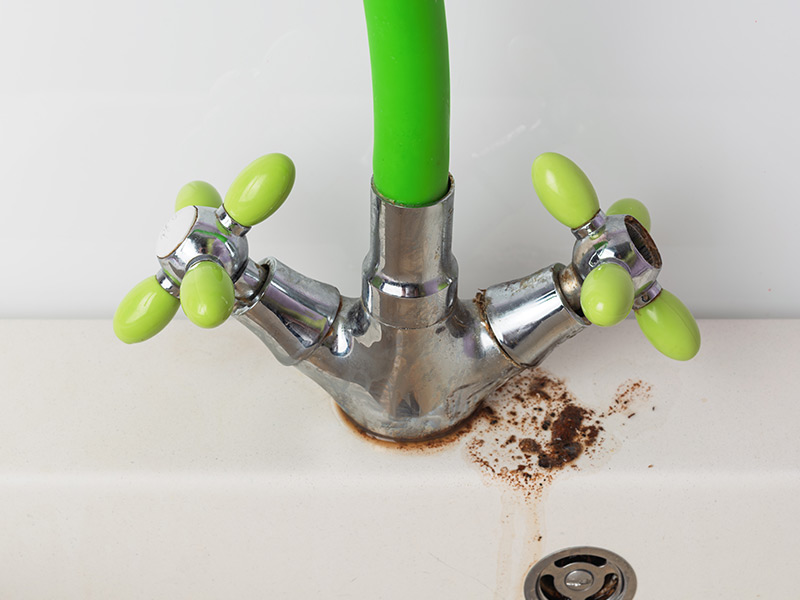
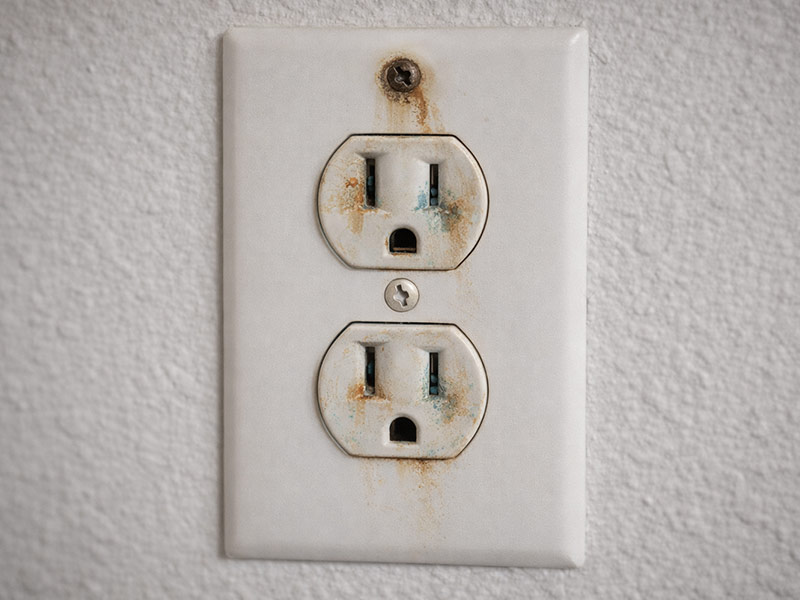
Rust on metal fixtures
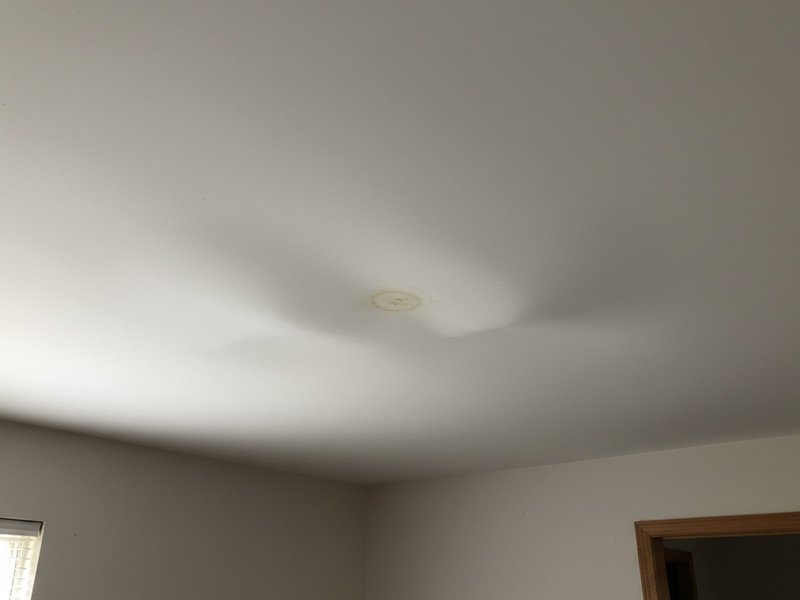
Sagging ceilings
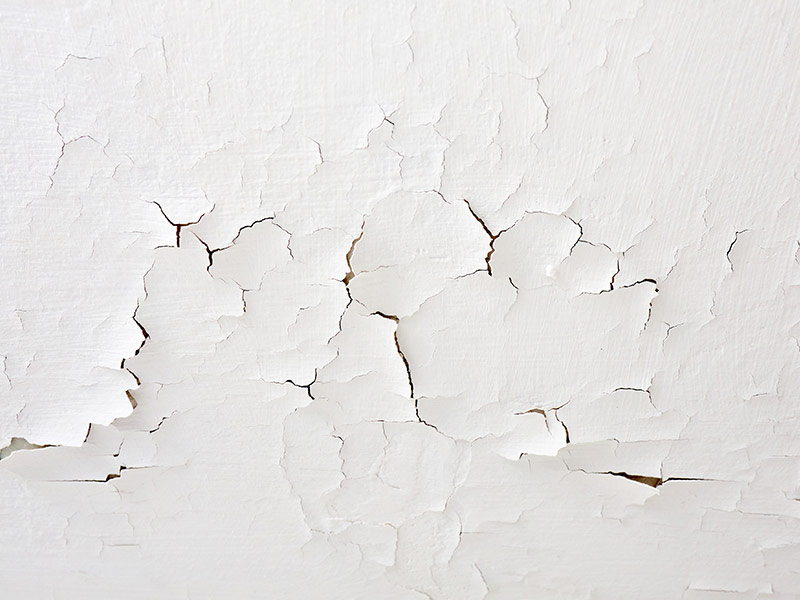
Cracked plaster
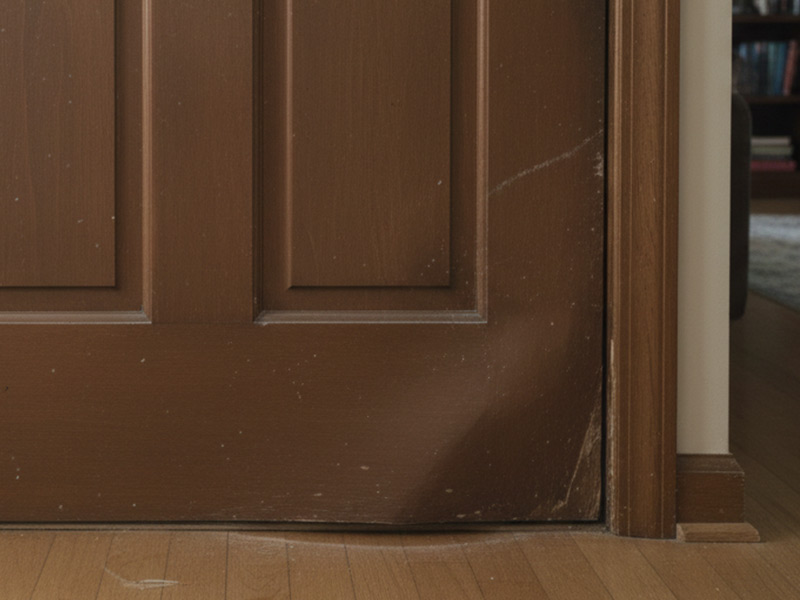
Swollen wooden doors
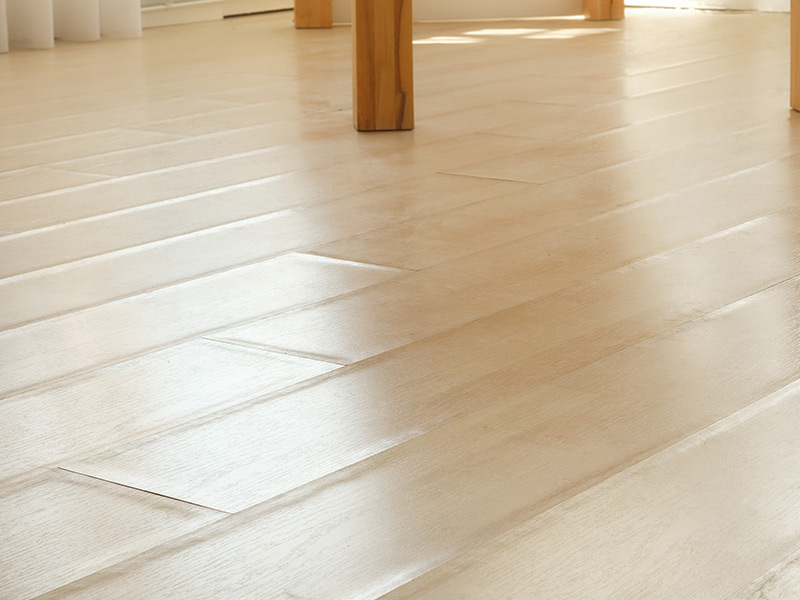
Buckled flooring
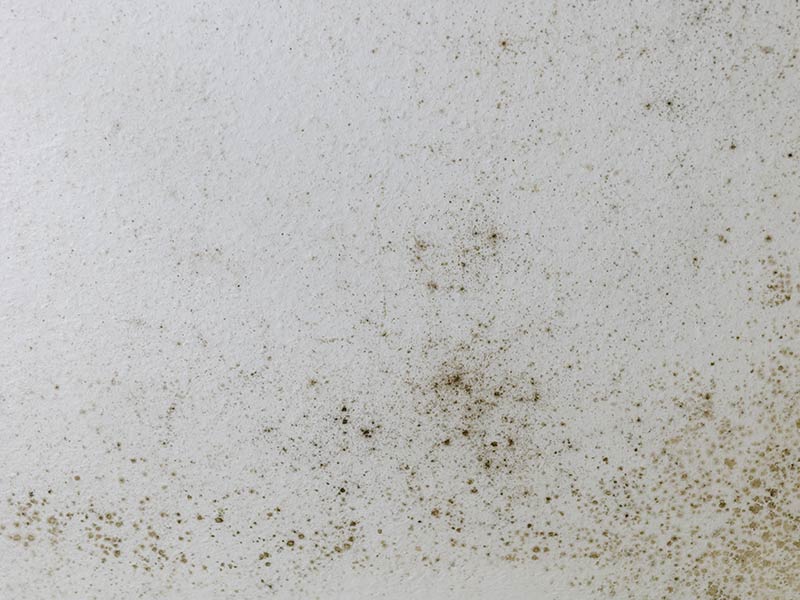
Mold spotting
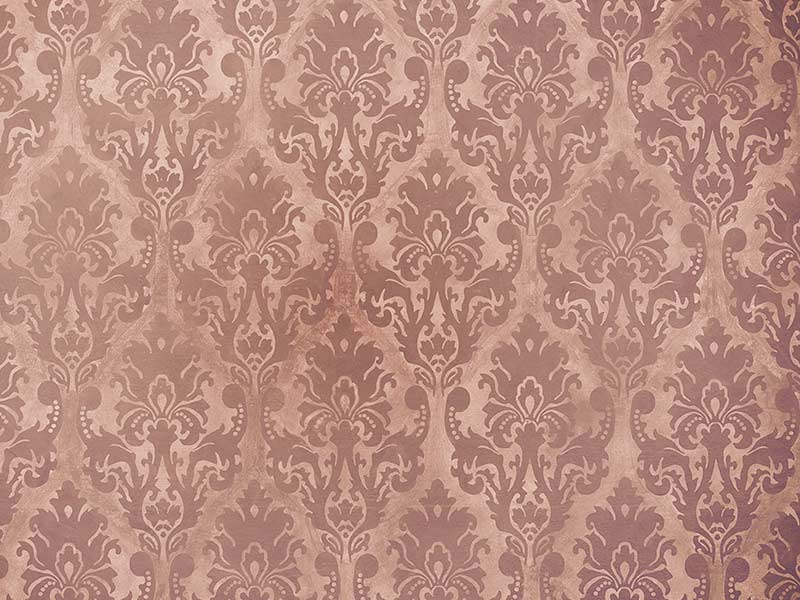
Discolored wallpaper
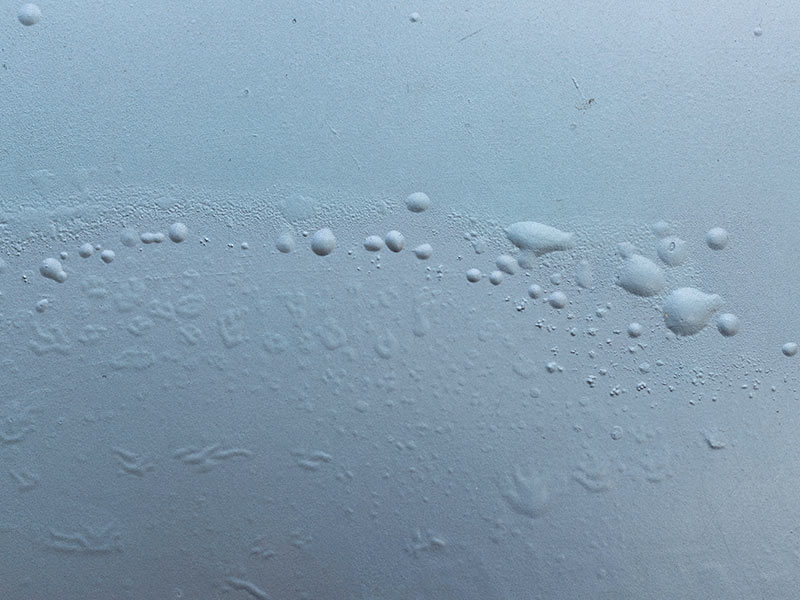
Paint blistering
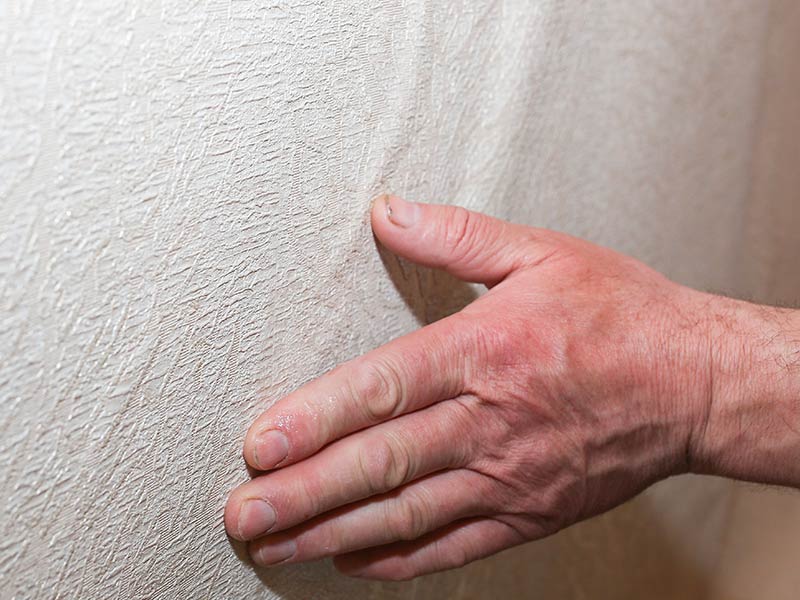
Wallpaper lifting
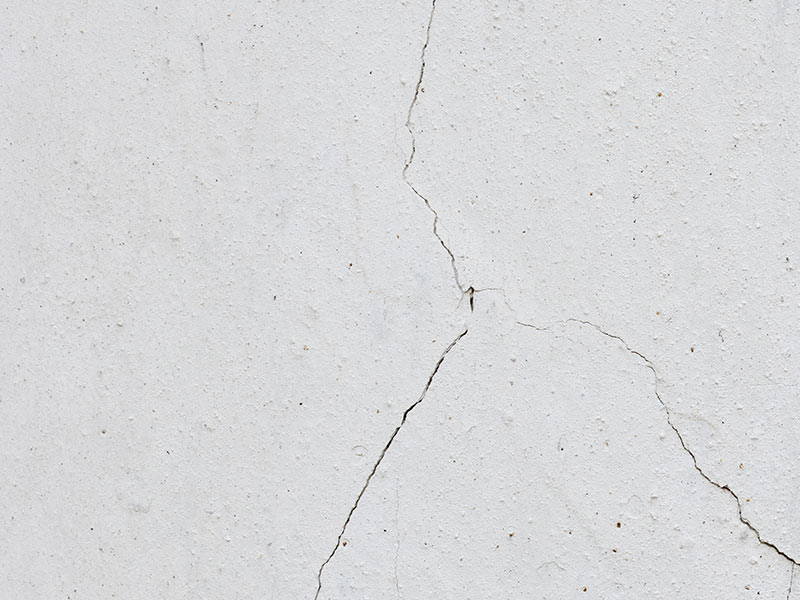
Plaster cracking
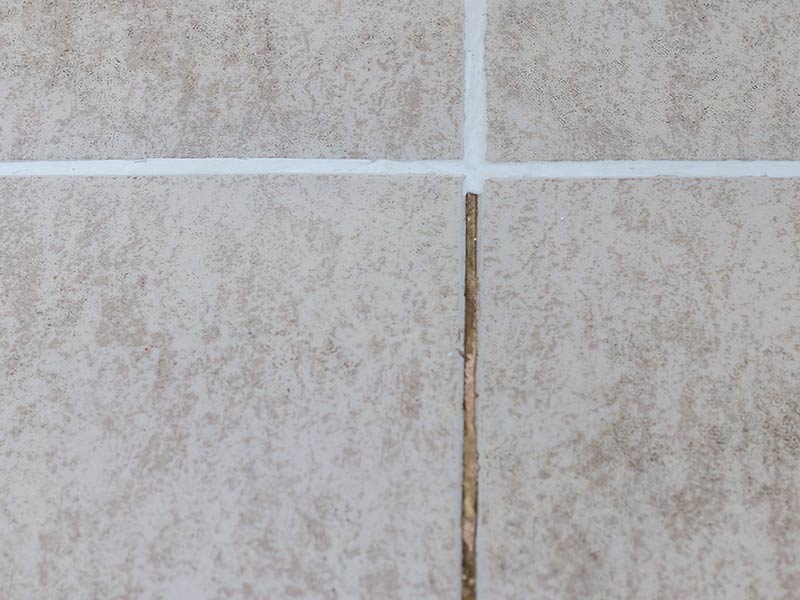
Tile grout erosion
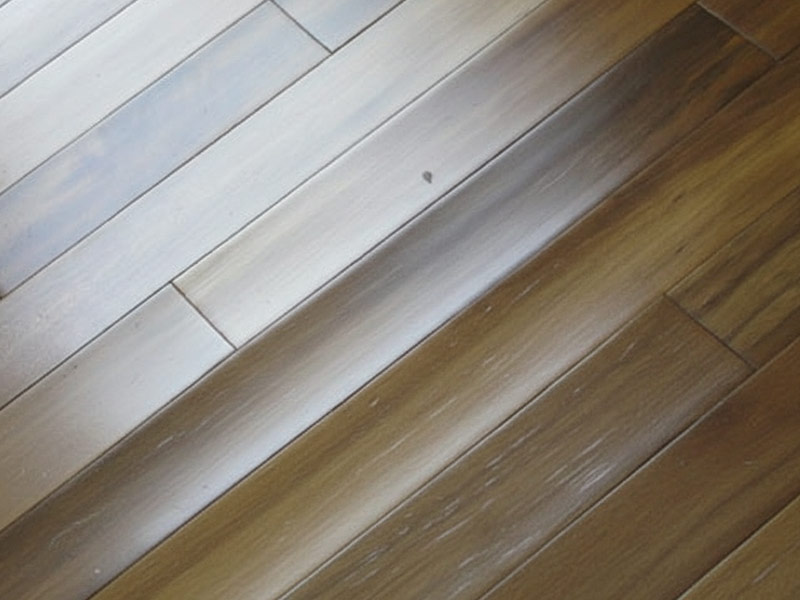
Cupped hardwood planks
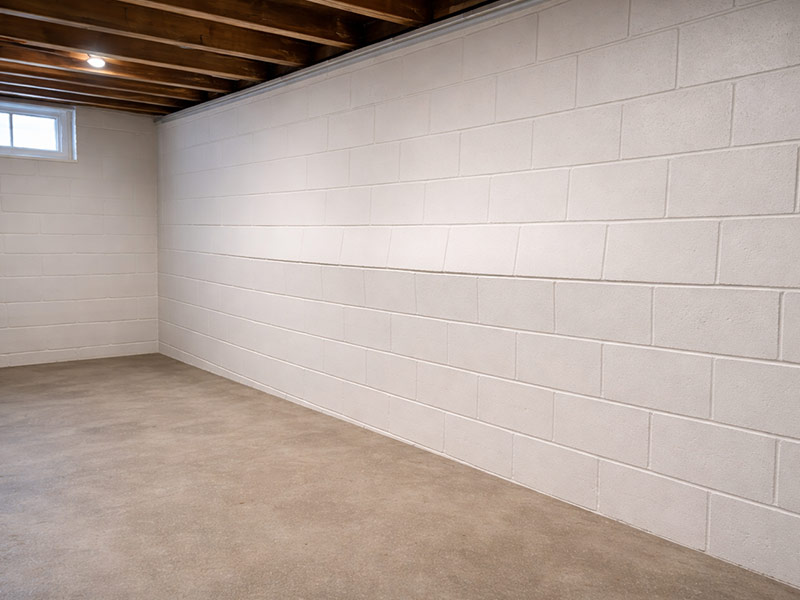
Bowed walls
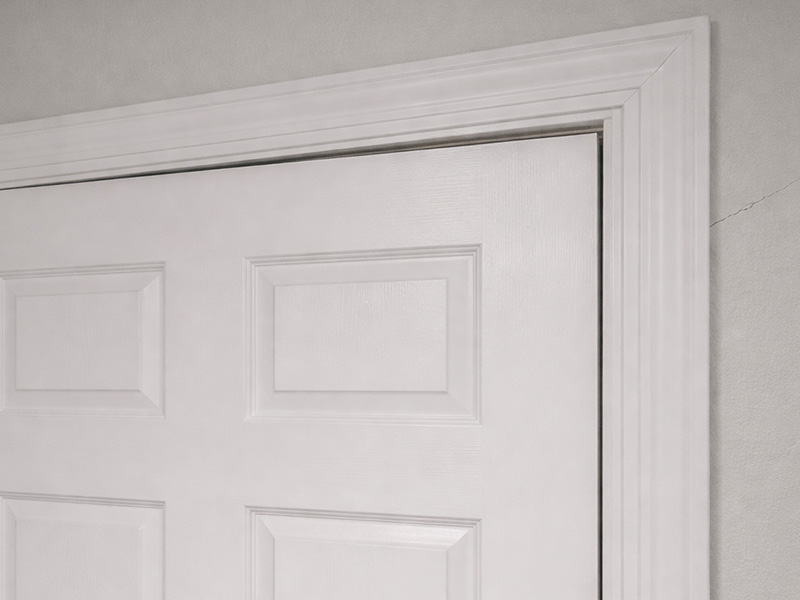
Misaligned doors
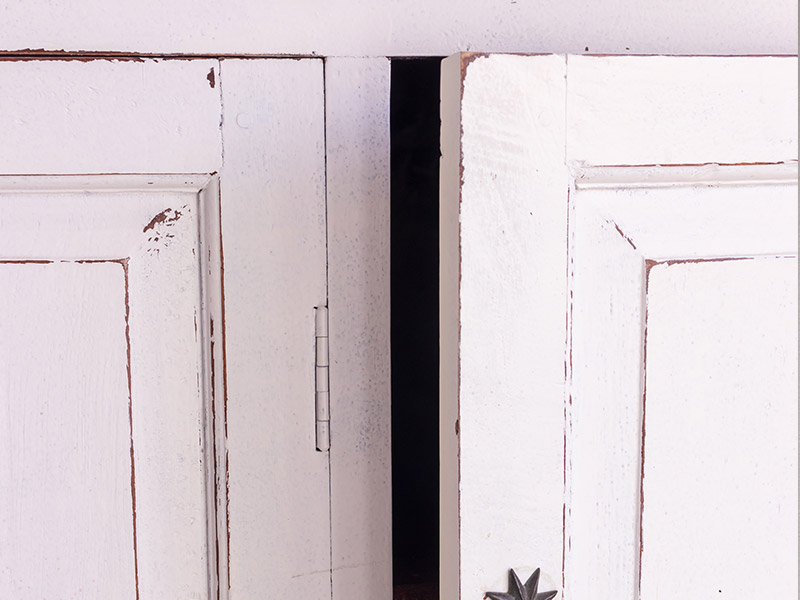
Loose cabinetry
Structural movement affects safety and property value. Professional drying prevents permanent deformation.
Musty Odors and Indoor Air Concerns
Moist environments encourage microbial growth. Mold spores release volatile organic compounds that create musty smells.
Odors indicate:
- Wet insulation
- Damp crawl spaces
- Saturated drywall
- Hidden mold colonies
Unpleasant odors signal potential respiratory hazards. Timely water damage restoration improves indoor air quality.
Hidden Water Damage Behind Walls and Floors
Not all moisture becomes visible. Plumbing leaks often travel along framing cavities and subfloors.
Hidden damage locations include:
- Behind shower walls
- Under sinks
- Beneath appliances
- Around window frames
- Inside crawl spaces
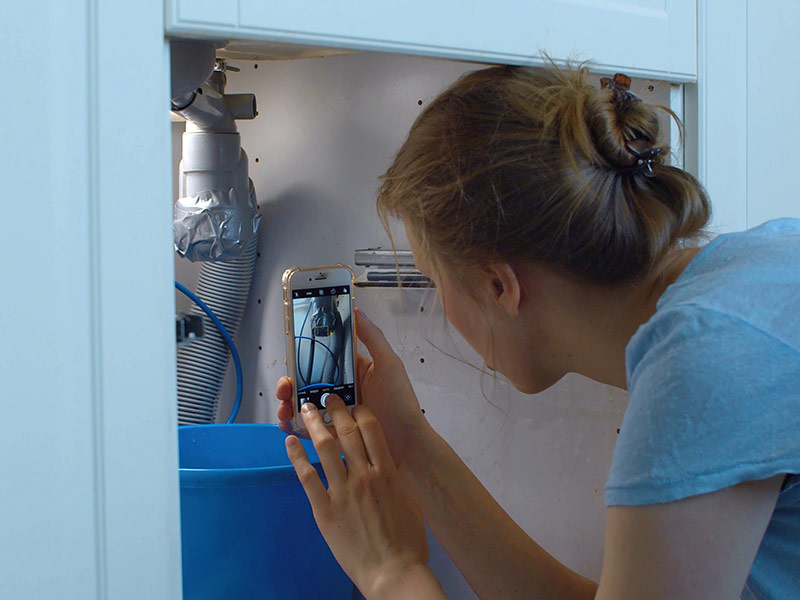
Advanced detection tools locate concealed moisture. Early intervention prevents structural rot and mold infestation.
How Water Damage Affects Electrical and Mechanical Systems
Water exposure compromises electrical safety. Moisture corrodes wiring and creates short circuits.
Risks include:
- Tripped breakers
- Flickering lights
- Outlet corrosion
- Appliance failure
Heating and cooling systems also suffer. Duct insulation absorbs moisture and spreads contaminants.
Professional inspection protects occupants from fire and shock hazards.
Common Sources of Water Intrusion in Boulder Homes
Local climate and construction styles influence damage patterns. Frequent sources include:
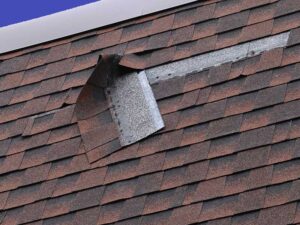
- Roof leaks from snow buildup
- Ice dam formation
- Aging supply lines
- Faulty sump pumps
- Foundation seepage
- Appliance hose failures
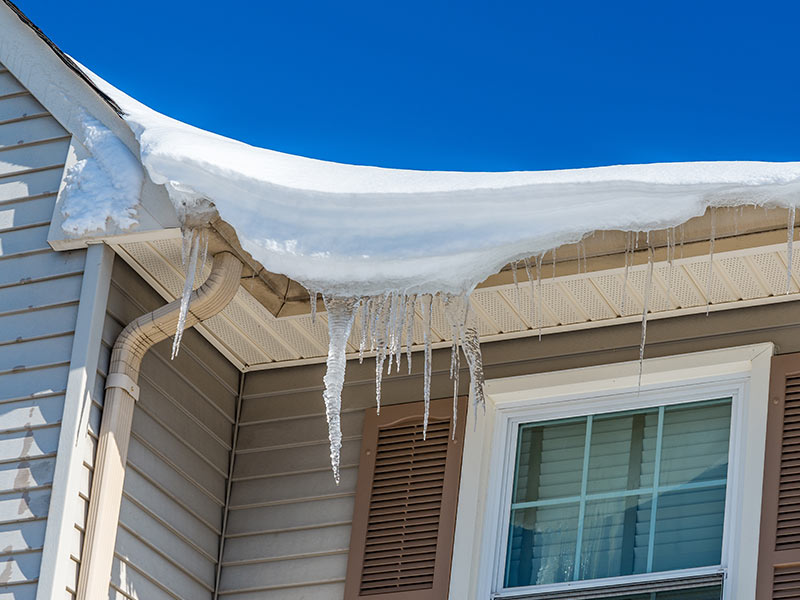
Mountain weather (especially here in Colorado) increases freeze-thaw cycles. Pipe bursts remain common during the winter months.
Understanding sources supports preventing water damage year-round.
The Connection Between Water Damage and Mold Growth
Mold develops within 24 to 48 hours of moisture exposure. Warm, dark areas promote rapid colonization.
Health risks include:
- Allergic reactions
- Asthma flare-ups
- Skin irritation
- Sinus infections
Mold remediation requires containment and specialized filtration. Certified restoration teams ensure safe removal.

Water Damage and Asbestos Risks in Older Properties
Many Boulder and Longmont homes built before 1980 contain asbestos materials. Common locations include:
- Pipe insulation
- Vinyl flooring
- Ceiling textures
- Wallboard compounds
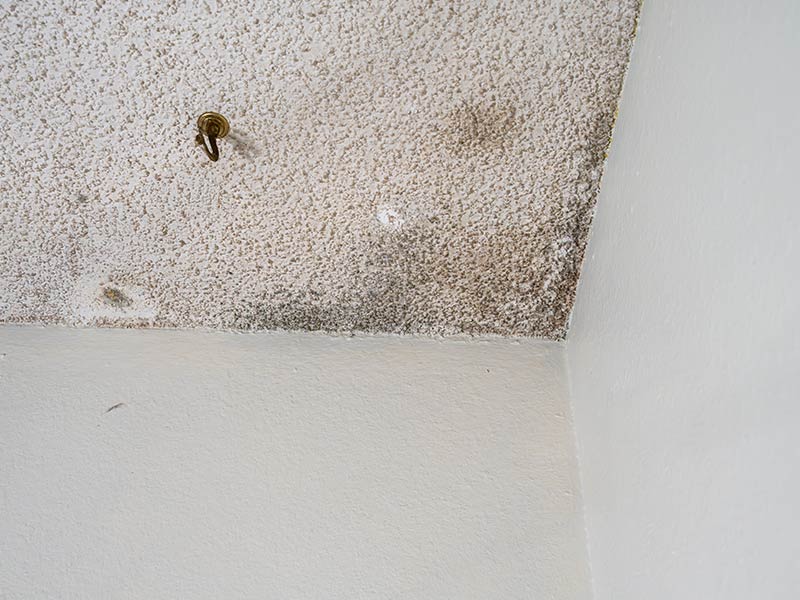
Mold remediation requires containment and specialized filtration to prevent spores from spreading to unaffected areas. Certified restoration teams use negative air pressure systems and HEPA filters to protect indoor air quality. Proper containment reduces health risks for occupants and workers during cleanup.
Professional removal also prevents mold from returning by addressing hidden moisture sources and contaminated materials.
Why Delayed Repairs Increase Restoration Costs
Minor leaks escalate fast. Moisture migrates through building assemblies and damages multiple systems.
Delayed repairs lead to:
- Structural replacement
- Mold abatement
- Electrical rewiring
- Insurance disputes
- Property devaluation
Fast response preserves building integrity and reduces claim complexity.
Professional Water Damage Restoration Process
Certified restoration follows industry standards for safety and effectiveness. Typical process includes:
- Emergency assessment
- Water extraction
- Structural drying
- Dehumidification
- Sanitization
- Reconstruction
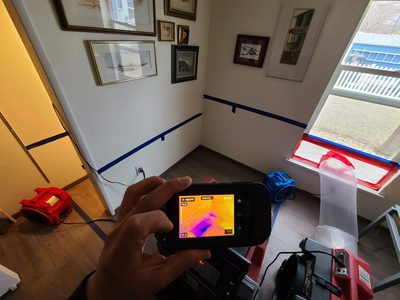
Advanced equipment accelerates recovery and limits secondary damage by removing moisture more evenly. High-powered extractors, industrial dehumidifiers, and air movers work together to dry materials fast. Thermal imaging and moisture meters help technicians target hidden damp areas that could lead to mold growth.
Faster drying reduces:
- Structural deterioration
- Shortens repair timelines
- Lowers overall restoration costs
Insurance Documentation and Claims Support
Water damage claims require thorough documentation. Photographs, moisture readings, and material inventories support coverage decisions.
Restoration professionals assist with:
- Damage reports
- Cost estimates
- Claim coordination
- Adjuster communication
Accurate records prevent disputes and delays.
Recognizing the Right Time to Call Professionals
Professional help becomes necessary when moisture spreads beyond surface materials. Persistent odors, visible mold, sagging ceilings, or electrical issues require immediate evaluation.
Certified technicians possess training, equipment, and safety protocols to restore properties correctly.
Why Local Expertise Matters in Boulder County
Mountain climate, soil conditions, and older housing stock create unique challenges. Local professionals understand:
- Freeze damage
- Foundation seepage
- Seasonal risks
Regional experience improves response speed and accuracy.
Protecting Your Property Through Ongoing Maintenance
Routine maintenance reduces water intrusion risks.
Recommended practices include:
- Annual roof inspections
- Gutter cleaning
- Pipe insulation
- Appliance hose replacement
- Foundation sealing
- Sump pump testing
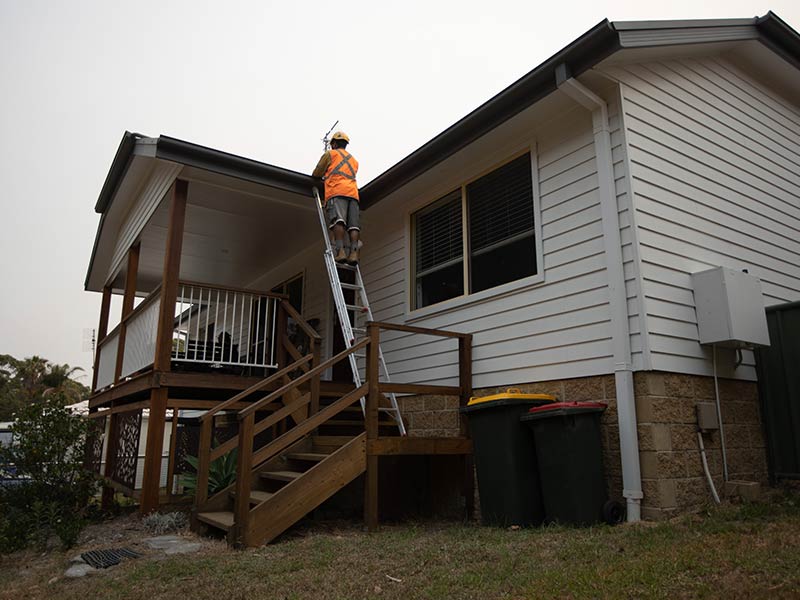
Consistent upkeep supports preventing water damage and extends the building’s lifespan. Routine inspections, timely repairs, and seasonal maintenance reduce the risk of hidden leaks and structural decay. Proactive care protects insulation, framing, and finishes from long-term moisture exposure while preserving overall property value.
What Does Water Damage Look Like? Schedule Help Today
What does water damage look like? Recognizing the signs allows homeowners to protect safety, comfort, and investment. Prompt professional care prevents mold, asbestos exposure, and structural deterioration.
24-7 Restoration Pros delivers reliable restoration services throughout Boulder County and the Front Range. Our certified technicians use advanced equipment to restore homes after water, fire, mold, or storm damage.
Homeowners receive transparent estimates, detailed documentation, and insurance support. Emergency response teams typically arrive within one hour across the region.
If moisture, mold, or asbestos threatens your property, contact 24-7 Restoration Pros today.