Water damage and mold can reduce a Colorado home’s sale price, trigger mandatory disclosure requirements, and delay financing, sometimes stopping a deal in its tracks. Sellers who remediate before listing and document every step close faster and at stronger prices.
Nearly half of all US homes have visible mold or mold odor, according to theLawrence Berkeley National Laboratory. In Colorado, where median home prices regularly top $500,000, that’s a statistic sellers can’t afford to ignore. A single inspection report flagging moisture intrusion can hand buyers serious negotiating leverage… or send them walking.
This guide covers what Colorado law requires, how these issues affect your sale price, and the practical steps that keep you in control.
What Issues Do Home Inspectors Commonly Uncover?
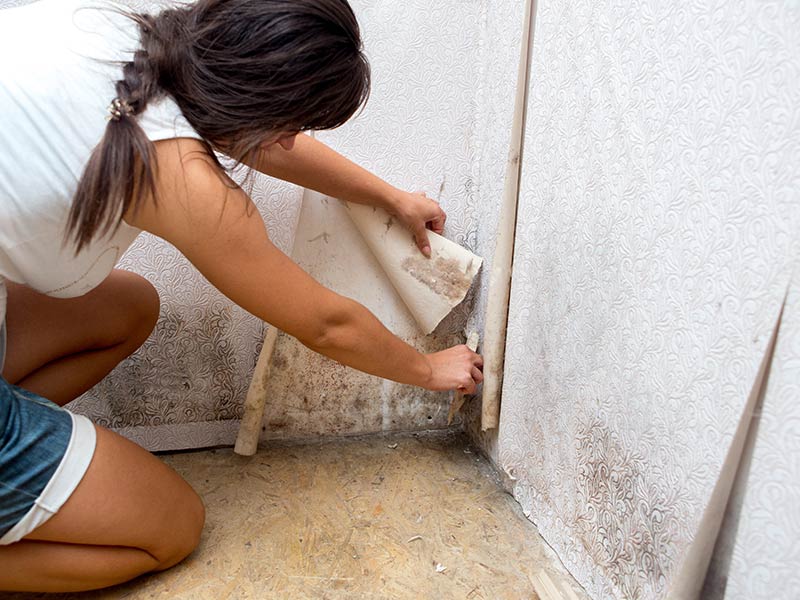
A water damage home inspection goes well beyond a quick visual check. Inspectors typically use moisture meters, probe crawlspaces, and examine areas that most homeowners rarely see, so they often find problems that sellers didn’t know were there.
Inspectors often flag these types of moisture-related findings:
- Water stains on ceilings, walls, or floors from past or active leaks
- White chalky deposits on foundation walls caused by water seeping through concrete
- Soft or spongy subfloor material that points to long-term moisture exposure
- Mold growth in crawlspaces, attics, or near heating and cooling systems
- Rotted wood framing near plumbing, rooflines, or windows
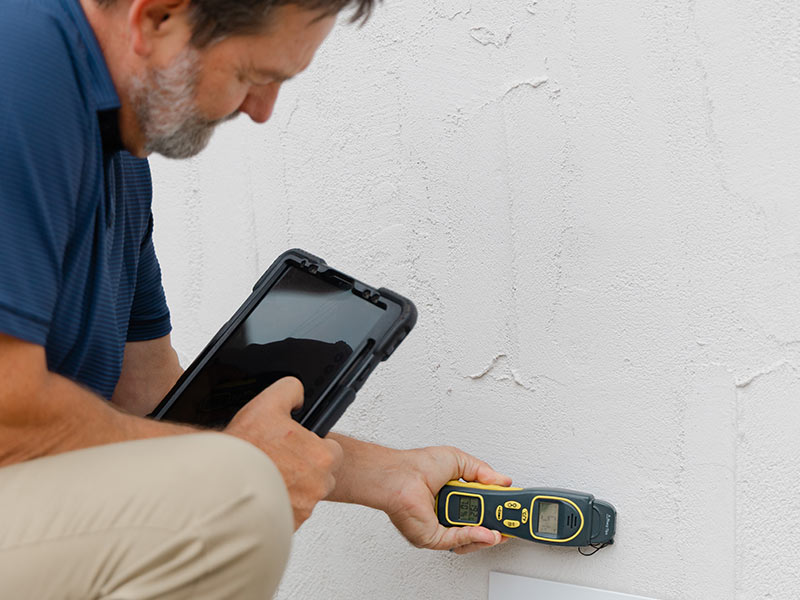
A serious finding can trigger a second, more focused mold or moisture assessment. Colorado homes often see issues in unfinished basements and crawlspaces, where seasonal temperature shifts create conditions that encourage mold growth.
Appraisers review visible damage too, and they can independently lower a home’s appraised value, which stalls a sale even when a buyer is still willing to proceed. Colorado’s high-altitude UV exposure and freeze-thaw cycles sometimes accelerate wood rot and push moisture further into structures than a seller might expect.

How Does Water Damage and Mold Affect Your Home’s Sale Price?
Does water damage affect home value? In short, yes, and the impact tends to be significant.
The financial hit comes from two directions. Buyers really factor in the cost of repairs, and they factor in the risk of problems they can’t see. Visible mold or signs of active moisture often push conventional buyers away entirely. Sellers sometimes end up accepting lower offers from cash buyers, who typically price in both the remediation cost and their own margin.

Financing adds another layer of complication. Lenders who issue government-backed loans often require documented remediation and clearance before they fund a loan. Even conventional lenders can pause a closing until the seller fixes the moisture source and provides written proof.
That kind of delay, in a market where timing is so important, can cost far more than the original repair would have. Sellers who resolve these issues before listing stay in a much stronger position and keep their timelines intact.
What Colorado Law Requires Sellers to Disclose
Can you sell a house with mold in Colorado? You can, and Colorado law actually requires sellers to disclose known problems on the Seller’s Property Disclosure form. This form covers water intrusion, past leaks, mold presence, and any contractor work on related systems.
The Legal Risk of Not Disclosing
The legal risk of skipping this step is very real. Sellers who mark “no” on disclosure questions when they know about a moisture or mold problem expose themselves to post-closing claims of misrepresentation or fraud.
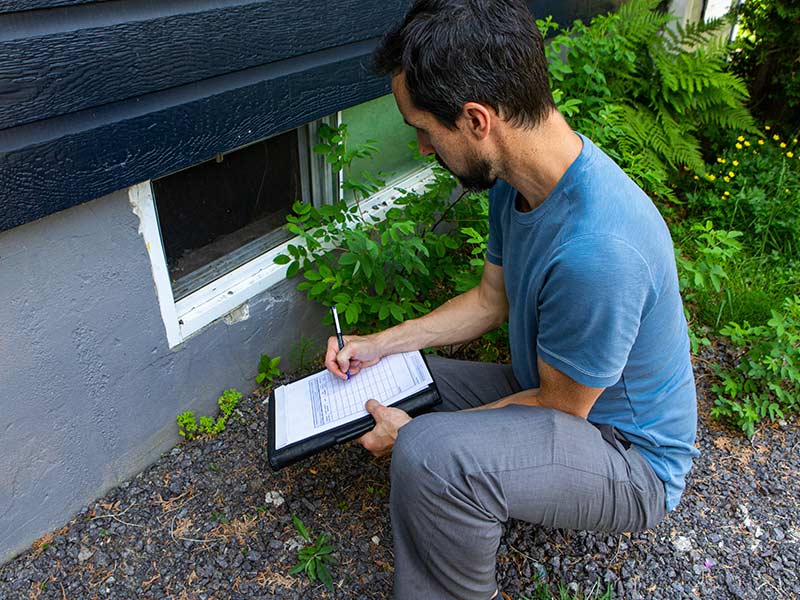
Buyers treat the disclosure form as a starting point, and they order independent inspections anyway, so concealed problems surface fairly often. A buyer’s inspector may find physical evidence of past repairs, which makes concealment very difficult.
Transparency works in a seller’s favor. A buyer who sees a well-documented repair history is far more likely to move forward with confidence. Sellers who disclose known issues and provide written records of completed repairs typically face less friction in negotiations and smaller price concessions.
If you’re unsure exactly what you need to disclose, a Colorado real estate attorney can help clarify your obligations before you list. Frankly, the cost of that consultation is minor compared to the legal fees a post-closing dispute can generate.
Why Addressing Damage Before You List Protects Your Investment
Selling a house with water damage is possible, and most buyers will accept it if sellers document their repairs well. The order in which you tackle it matters a great deal, so starting with the moisture source rather than visible mold is the right first step.
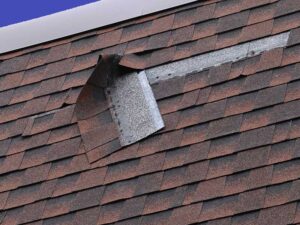
The moisture source is often a roof leak, a plumbing issue, poor drainage near the foundation, or a crawlspace with inadequate ventilation. Once you address the source, a qualified contractor can remediate the mold and conduct clearance testing to confirm the problem no longer exists.
Documentation is actually what transforms completed repairs into a real negotiating asset. Sellers who hand over remediation invoices, clearance reports, and before-and-after photos give buyers and lenders the confidence to move forward.
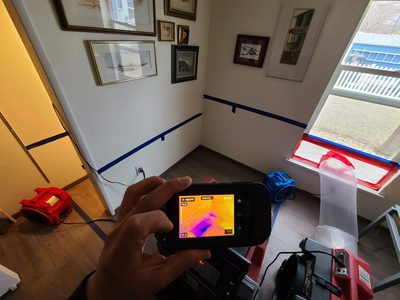
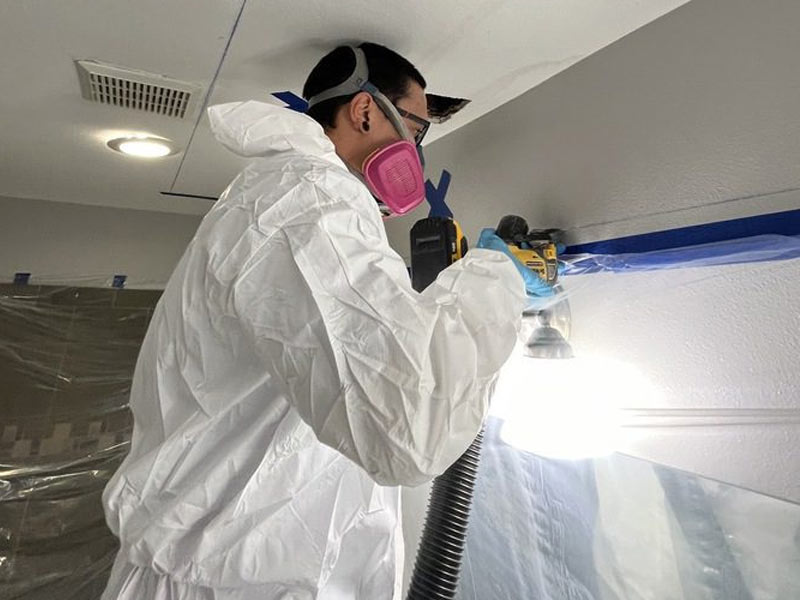
Companies like 24-7 Restoration provide written moisture reports as part of our standard process, using moisture meters and thermal imaging to verify that affected materials have been properly dried to industry standards before the job is considered complete. That written record is often what separates a clean closing from a last-minute lender hold-up.
A Practical Pre-Listing Checklist for Colorado Sellers
Getting ahead of moisture issues before you list is one of the most effective moves a Colorado seller can make. A few targeted steps can significantly protect your sale price, reduce the risk of last-minute surprises, and give buyers the documentation they need.
Before you list, work through these steps:
- Complete the Seller’s Property Disclosure form accurately and keep a copy
- Schedule a professional moisture and mold assessment if you suspect past water issues
- Fix the moisture source before remediating any visible mold
- Hire certified water damage restoration experts and request written clearance documentation
- Prepare a documentation package with invoices, photos, and clearance reports to share with buyers
Working with certified professionals really matters here. Their written reports and clearance documentation give buyers and lenders the confidence to move forward. Sellers who provide this paperwork may face fewer delays, maintain stronger offers, and reduce the chance of a financing hold-up at closing.