Colorado is the perfect place to enjoy summer fun outdoors, but preventing home fires and smoke damage matters more than ever with the state’s extremely high wildfire risk. From safe grilling techniques to removing dry vegetation from your home perimeter and rooftop, you can improve your family’s summer fire safety during this time. Stay prepped with an emergency escape plan and mitigate smoke damage with proper ventilation or knowing when to call for professional help.
The National Fire Protection Association (NFPA) reported American Fire Departments responded to an average of 12,141 home fires involving grills, barbecues, or hibachis every year between 2020 and 2024. This number included 6,110 structure fires and 6,031 outside or unclassified flames.
That’s why fire prevention should always be a priority for any homeowner, regardless of location or season.
What and Where Are Typical Colorado Fire Hazards?
Colorado is a beautiful state known for its outdoor spaces, but that vast greenery makes it prone to wildfire hazards. However, as Colorado Public Radio reported in 2021, the state’s wildfire risk isn’t just in its forests and mountains; even Boulder, Colorado, lost over 500 homes to fire, forcing tens of thousands of residents to evacuate that year.

The Boulder County area became combustible due to grass fires, not from a forest fire. While the report noted that downtown Denver is unlikely to be burned down by a wildfire, other urban areas in the state are at risk due to their vast ignitable grasslands and close proximity to forested zones.
In 2024, the Coloradoan reported that Larimer County had an 87% higher risk of wildfires than other counties in the state. Additionally, Estes Park, a municipality of Larimer County, had a higher risk of wildfire than 97% of other communities in the country.
Human behavior is the main reason for Colorado wildfires. According to Planning for Hazards, lightning causes only 17% of wildfire incidents, while human error causes the rest.

Such human-related fire hazards include:
- Burning debris
- Campfires
- Fireworks
- Arson
Based on these statistics, any Colorado homeowner planning any of the above or other fire-related activity on or near their property this summer must be extra mindful to avoid causing fire or smoke damage. Additional care can save you from irreparable damage to your property and a decline in indoor air quality.
Additionally, if a fire gets out of control, it can possibly spread to other vegetation in the area, putting others in your community at risk.
What Are Tips To Prepare for an Emergency?
Take advice from the Colorado Department of Natural Resources and note the risk your Colorado home has based on its location. Remember that shrubs, grasses, and trees are easy fuel for a wildfire, especially once they’ve dried out.
That’s why you should start creating a defense zone that clears out any shrubbery too close to your home. Gather the family together and create an evaluation plan, so if you get a wildfire warning, everyone can quickly move and get to safety.

Part of your evacuation plan involves noting all of your home’s exits and a potential meeting spot outside of your residence. Take inspiration from your school days and practice your own fire drill at home.
Keep a stopwatch to see how quickly you and your family can react in case of an emergency. Identify at least two ways of getting out of your neighborhood and a safe meeting spot.
Put together an emergency go bag that includes:
- Non-perishable food
- First aid kit
- Disaster supplies like water tablets
- Blankets

How Can I Create an Exterior Defense Zone and Avoid Smoke Damage?
Your defensible area can be broken up into three zones. The first zone should be up to 5 feet away from your house, which is the non-combustible area used to prevent direct flames from contacting your home’s structural materials.
Clear away all:
- Dead leaves
- Wooden mulch
- Shrubs
- Debris

If you have organic mulch near your foundation, replace it with non-combustible materials, such as gravel or concrete pavers.
Zone 2 can be 5 to 30 feet away from your home. This area should reduce the fire’s intensity, so keep all of your grass and weeds mowed down to 4 inches or less.
Space out trees so the canopies are separated by at least 10 to 18 feet. Remove any smaller trees and shrubs growing underneath the mature ones.
The area 30 feet or more away from your house is Zone 3, a transitional buffer that can stretch to 100 feet depending on where and how your property slopes. Thin out the forest area by removing dead or diseased trees.
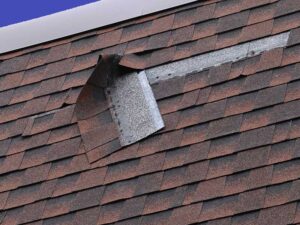
Don’t forget to keep gutters and roofing clear of debris, like dried leaves. Carefully prune branches hanging over the roof.

How Can I Grill and Practice Summer Fire Safety?
As the weather warms up in Colorado, you may be ready for those outdoor barbecues and happy hours. Do so safely by maintaining a 10-foot clearance away from structures or trees.
Maintain about a 3-foot safe zone to prevent pets or children from knocking things over or touching hot surfaces.

If you’re using a charcoal grill, only use approved charcoal starter fluid and don’t add it to already warm or ignited coals. After grilling is complete, let the coals cool properly and dispose of them in a metal container.
What About Smoky Odors Indoors?
As you protect your home from fire indoors, you’re also avoiding the resulting damaging smoke.
Start by understanding the common causes of cooking fires, such as leaving unattended cooking on the stove. It’s the number one cause of kitchen fires, and be extra careful when using cooking oils beyond their flashpoints.

Just as you create a perimeter around the outside of your home, use the same practice when cooking indoors by placing combustible materials as far away from your heat source as possible. This includes food packaging and paper towels.
Are There Smoke Damage Solutions?
Smoke will cling to fabrics, so wash exposed curtains and bedding, or sprinkle baking soda on rugs and carpets to absorb smoky smells. A bowl of activated charcoal or baking soda may also help trap airborne odors.
Having proper ventilation in the home when doing a lot of indoor cooking or after managing a small contained fire is also essential for protecting your indoor air quality. Use an air purifier with a heavy-duty activated carbon filter, as it can bond and neutralize odor-causing VOCs and smoky molecules.
However, you should also know when it’s time to get professional help that goes beyond the DIY work, like cleaning and airing out the room.
The signs include:
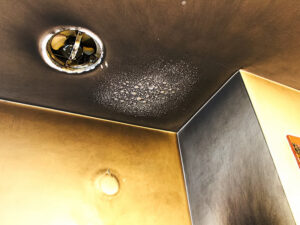
- Returning odors-smoke particles have penetrated the drywall
- Contaminated HVAC
- Discolored walls
- Issues with electronics
- Metal corrosion

Keep Your Colorado Home Cool This Summer
Colorado is a beautiful place to enjoy everyday life, especially in the summertime. It is the ideal time for outdoor barbecues and camping, but don’t let the excitement breed carelessness when handling combustible items inside or outside your home.
You can prevent fire and smoke damage by keeping a clear perimeter around cooking sources, from indoor stoves to outdoor grills, and anything combustible. Remove dried debris and have an evacuation plan just in case you receive a last-minute alert about a wildfire brewing nearby.
Sadly, the state has become more prone to wildfires over the years, but with some prevention methods, you can at least keep your home and loved ones as safe as possible. If you’re dealing with smoke or fire damage, call on 24-7 Restoration to help.