When wind damage strikes your property, the first few hours are critical. Cover exposed openings, document all destruction, and contact your insurer right away to limit further losses. Combining fast action with a longer-term plan to reinforce vulnerable areas gives your property the best chance of a full recovery.
Wind is a more costly adversary than most property owners expect. According to the Insurance Information Institute, wind and hail accounted for 42.5% of all homeowners’ insurance losses between 2019 and 2023, the single largest category of property claims nationwide.
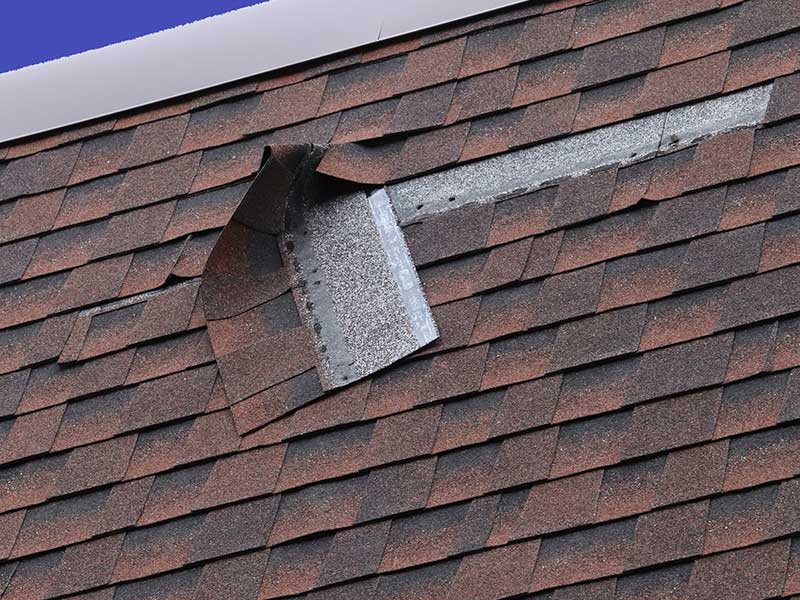
A single storm can strip a roof, shatter windows, and drive debris through walls in minutes. What separates a manageable repair from a financial disaster often comes down to one thing: how quickly and strategically you respond.
Why Does Boulder Face Such a High Risk of Wind Damage?
Boulder’s geography puts it in a particularly vulnerable spot. The city sits closer to Colorado’s high peaks than any other part of the Great Plains; elevation drops roughly 8,000 feet in just 18.5 miles, and that steep terrain is actually what drives the powerful Chinook winds that roll off the Rockies and accelerate onto the plains below.
According to NOAA’s Physical Sciences Laboratory, Boulder has some of the highest peak winds of any city in the United States, with downslope windstorms hitting the Front Range several times each year.

The damage these events produce can be very significant. In January 1982, a single Chinook storm left an estimated 40% of all buildings in Boulder with at least minor damage. More recently, the Marshall Fire of December 2021 (driven by gusts topping 100 mph) destroyed nearly 1,100 homes across Boulder County and caused over $2 billion in damage.
What Should You Do Immediately After Wind Damage?
The first hours after a windstorm set the tone for the entire recovery process. Taking the right steps quickly can really prevent a fixable situation from turning into a much larger, more expensive problem.
Prioritize Safety Before Anything Else
Your safety comes before any property assessment. Definitely stay away from downed power lines, and avoid entering any part of your home that looks structurally unstable. If you smell gas or spot sparking wires, turn off your home’s main gas and electricity at the sourceand call your utility provider right away.
A structurally compromised building can be very dangerous, so wait for professionals to give the all-clear before entering damaged areas.
Document All Damage Thoroughly
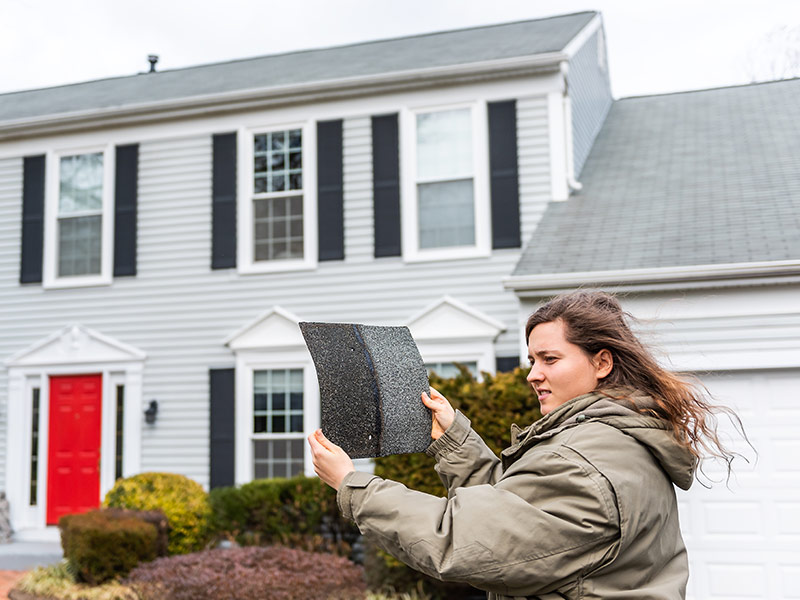
Before you touch anything, grab your phone and start capturing photos and videos of every affected area. Roof damage, broken windows, damaged siding, and interior water marks all need clear documentation. Timestamps on your photos actually help a lot when filing a claim, so keep your camera’s date settings current.
Writing a short list of damaged items (appliances, furniture, and electronics) gives your claim even more support.
Take Emergency Steps to Limit Further Losses
Fast action in those first few hours can significantly reduce the total cost of repairs. Cover broken windows with plywood or thick plastic sheeting, and tarp any holes or missing shingles before rain gets in.
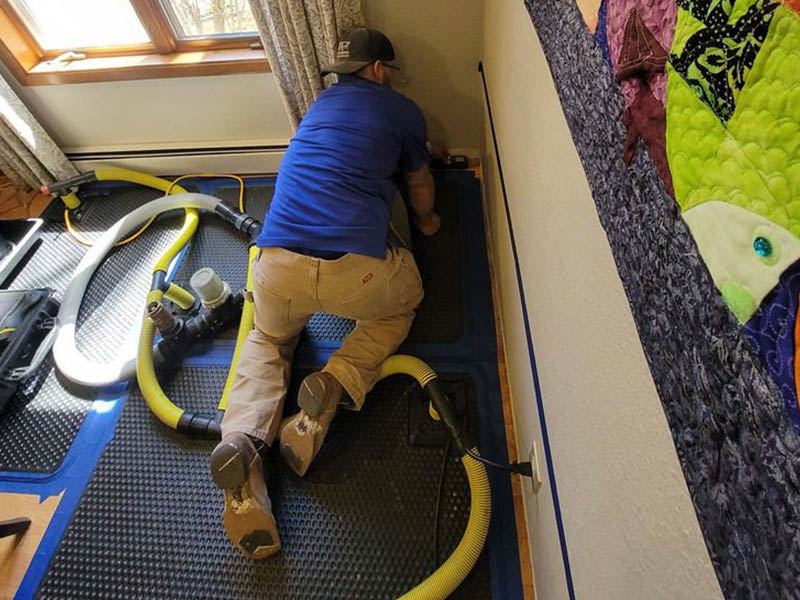
Emergency cleanup services can handle standing water removal and debris clearing if the damage is just too extensive to manage on your own. Standing water can lead to mold growth in as little as 24 to 48 hours, so addressing it quickly is very worthwhile.
Some steps to take right away include:
- Move valuables and furniture away from wet or exposed areas
- Run fans in unaffected rooms to reduce moisture buildup
- Keep damaged materials on-site until your insurance adjuster has inspected them
Notify Your Insurance Company Right Away
Most homeowners’ policies typically require you to report damage within a set window, often 30 to 60 days. Filing windstorm insurance claims as soon as possible keeps you within that window and gets the process moving faster.
Have your photos, a list of damaged items, and any receipts pretty much ready when you call.
Hire Licensed Contractors, Not Storm Chasers
After a big storm, out-of-town contractors sometimes flood affected neighborhoods, offering fast, cheap fixes. Storm damage repair requires licensed, insured professionals who follow local building codes. Getting a written estimate before any home repair after a storm begins naturally protects you from surprise charges and poor workmanship.
Certified local companies like 24-7 Restoration can often arrive within 60 minutes, fully equipped with thermal imaging tools and EPA-approved cleaning products.

How Can You Strengthen Your Property Against Future Wind Events?
So, recovery addresses the immediate damage, and good property restoration tips focus on finding vulnerabilities before the next storm season arrives. A proactive approach can reduce both the damage and the cost of any future wind event quite significantly.
Start With a Wind-Hardening Inspection
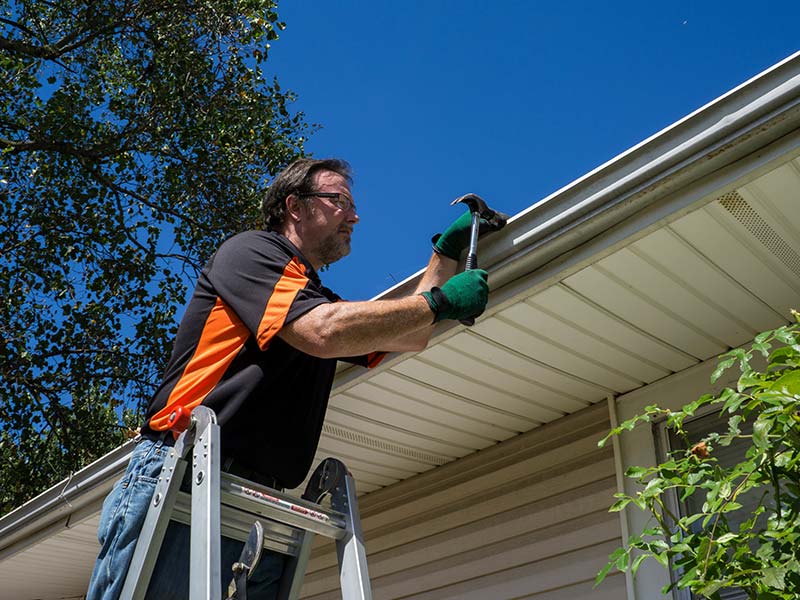
A thorough inspection of your property is a very smart first step after repairs are complete. Look for loose shingles, failing gutters, cracked caulking around windows and doors, and any roof-mounted equipment that doesn’t seem well anchored.
A licensed roofer or building inspector can assess structural connections like soffits, fascia boards, and garage door anchoring, areas that frankly tend to fail first in high winds.
Reduce Flying-Projectile and Tree Hazards
Loose outdoor items can turn into serious hazards in strong winds. Securing or storing patio furniture, grills, trash bins, and toys before a storm can obviously prevent a lot of property damage. Overhanging tree branches near your roof and power lines are worth having trimmed regularly, so they don’t contribute to damage during the next windstorm.
Here are some outdoor items to secure or store before high-wind events:
- Outdoor furniture, cushions, and umbrellas
- Portable grills and propane tanks
- Trash and recycling bins
- Garden tools, potted plants, and decorative yard items
Reinforce Your Property’s Most Vulnerable Points
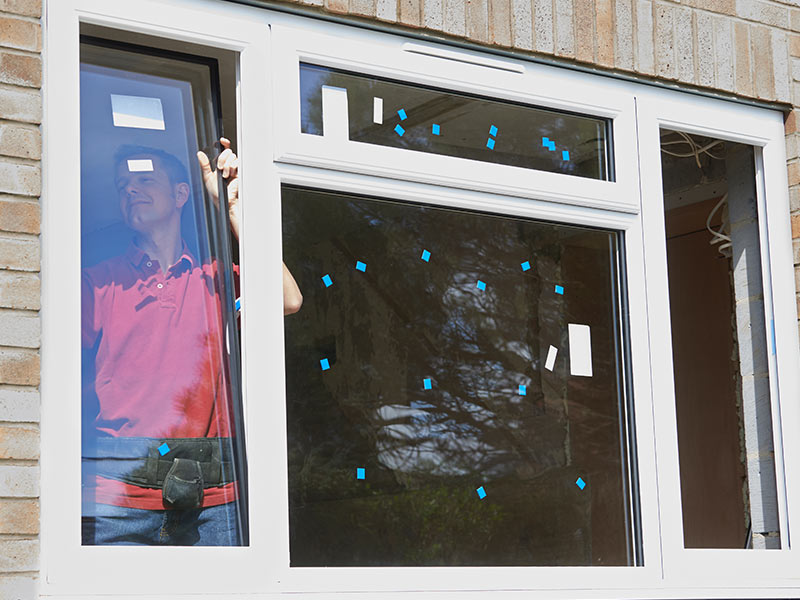
Garage doors typically fail first in high-wind events, so reinforcing them is a worthwhile investment. Storm-rated or impact-resistant windows are fairly effective at reducing damage from flying debris.
Weak fencing can cause secondary damage to siding and roofing when it fails, so checking fence connections after any storm is a good habit. Reinforcing large canopy structures and carports is similarly worth considering, as they often catch significant wind load.
Review and Optimize Your Insurance Coverage
Your policy details matter a lot when storm season arrives. You should check your wind coverage limits, deductibles, and whether high-value items like specialty windows or premium siding need separate coverage.
Loss-of-use coverage, sometimes called Additional Living Expenses, can cover temporary housing costs if repairs make your home unlivable for a period. Talking to your insurance agent about endorsements for high-value landscaping or outbuildings might be worth your time, too.
Put a Simple Wind-Storm Plan in Place
Having a basic plan before a storm hits saves you a lot of time and stress afterward. Store tarps, plywood, duct tape, and basic cleanup supplies somewhere accessible so you can deploy them quickly.