What does asbestos look like? It doesn’t have a single, easily recognizable look. Its appearance varies widely depending on the material it was mixed into and how old it is. In many homes, asbestos shows up as crumbly insulation, fibrous cement, textured wall coatings, floor tiles, or pipe wrap, but you cannot reliably identify it just by sight alone.
According to AsbestosClaims.Law, about 91 percent of American homes have never been tested for asbestos, even though buildings constructed before the 1980s often contain asbestos in insulation, flooring, roofing, and other materials.
Have you ever wondered whether the fibers in your walls or ceiling could be asbestos? Unseen hazards like this can pose serious health risks, so today we’re taking a closer look at visual clues, common locations, and reliable asbestos identification tips that help keep your space safe.
 Attention Boulder Residents: There isn’t a public count of exactly how many Boulder-area homes “have asbestos,” because asbestos is typically confirmed only through inspection and lab testing of specific materials. What we can measure is how much of the local housing stock was built during the decades when asbestos-containing building materials were widely used. The Colorado Department of Public Health & Environment notes that asbestos was more widely used in building materials before the 1990s.
Using the U.S. Census Bureau’s 2024 American Community Survey “Year Structure Built” table (Table B25034, universe: housing units), Boulder City has about 49,329 housing units total; about 34,777 (≈71%) were built in 1989 or earlier, and about 27,106 (≈55%) were built in 1979 or earlier. These figures don’t prove asbestos is present in each unit—but they show the scale of local housing built in the “asbestos era”, where extra caution (and testing) is often warranted before remodeling.
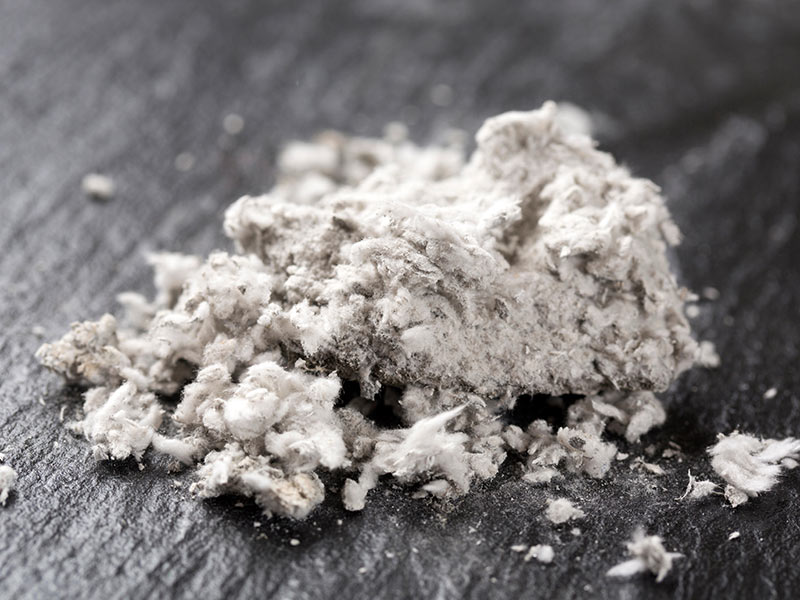
What Are the First Signs of Asbestos?
Asbestos rarely announces itself in an obvious way. Early warning signs tend to show up through aging materials, wear, or changes in texture rather than clear labels or markings. Many people first suspect a problem when they notice damage in areas where asbestos in homes was once common.
Three early signs raise concern and deserve closer attention:
- Deteriorating building materials
- Unusual textures or fibers
- Location and age of the home
Deteriorating Building Materials
One of the most common signs of asbestosis is when materials begin to break down. Crumbling insulation, frayed pipe wrap, or cracked ceiling coatings can expose fibers that were once sealed in place.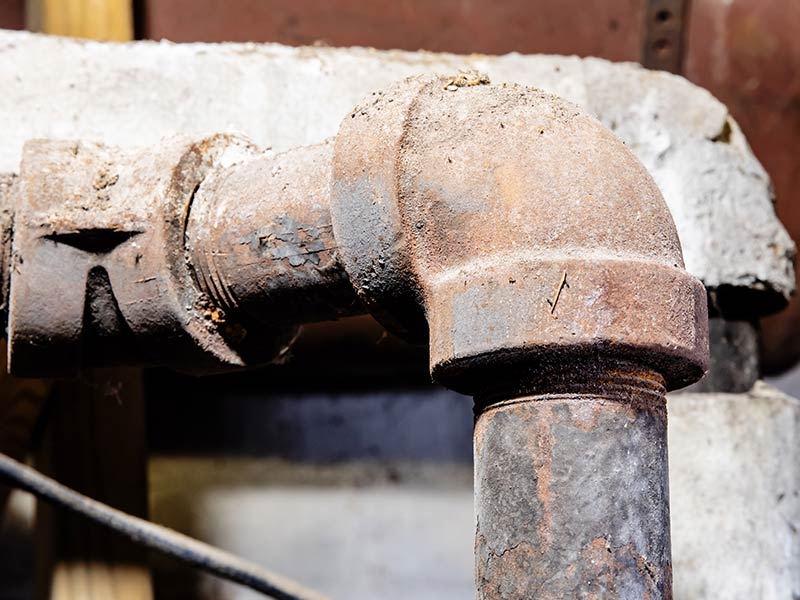
Flaking, powdery residue near old pipes or ducts may signal a higher risk. Any visible decay in older construction materials calls for asbestos safety awareness, even when the material looks harmless at first glance.
Unusual Textures or Fibers
Asbestos-containing materials often look:
- Fibrous
- Grainy
- Uneven
Some surfaces appear fuzzy or layered, while others look chalky or brittle. These textures stand out when compared to modern building products.
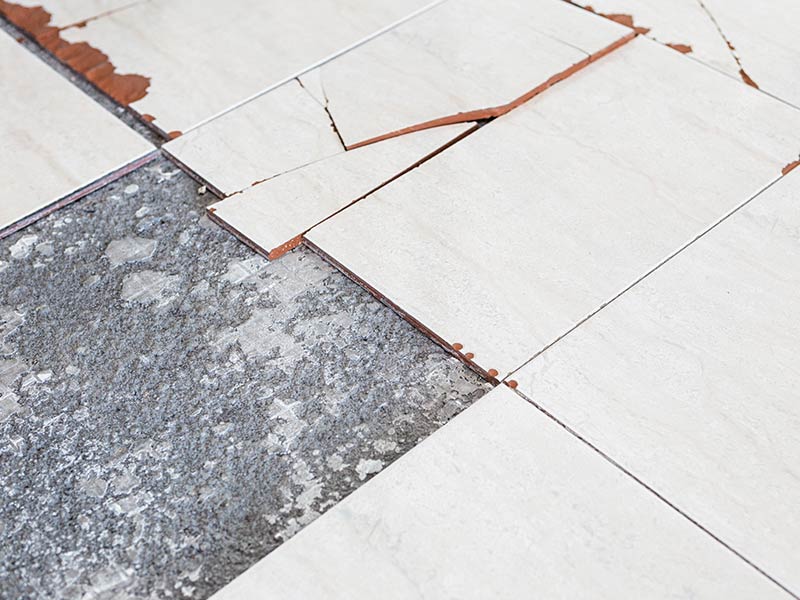
Asbestos identification tips often stress texture changes since asbestos rarely appears smooth once it ages. When disturbed, some materials release fine dust that lingers longer than normal household debris.
Location and Age of the Home
Where a material is located matters just as much as how it looks. Basements, attics, utility rooms, and areas around heating systems raise red flags in older houses.
Homes built before the 1980s face higher odds of hidden asbestos. Recognizing signs of asbestos often starts with knowing the construction era and the purpose of the material rather than relying on appearance alone.
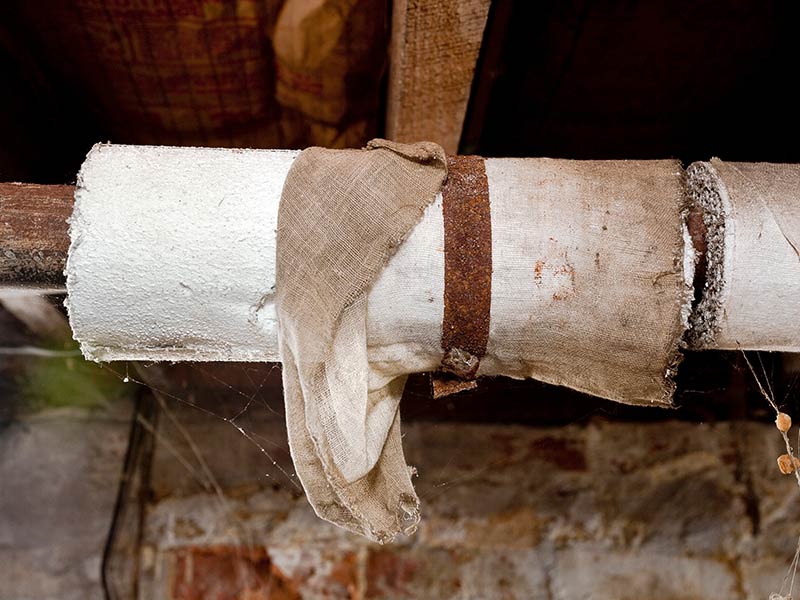
Spotting early clues doesn’t confirm asbestos, yet awareness helps prevent risky handling and supports safer next steps.
 If you suspect that your family home has asbestos and you need restoration support, 24-7 can help. Give us a call at 303-485-1730 and we’ll be happy to come out to your property for an assessment.
 What Homes Usually Have Asbestos?
Many homeowners are surprised to learn how often asbestos in homes traces back to when the house was built, rather than how it looks today. Asbestos use followed construction trends, building codes, and material shortages, which makes certain homes more likely to contain it. Age, renovation history, and original design all shape the risk.
Three housing factors raise the likelihood of asbestos presence:
- Homes built before the 1980s
- Older construction styles and materials
- Renovated or partially updated homes
Homes Built Before the 1980s
Most asbestos in homes appears in buildings constructed from the 1930s through the late 1970s. Builders relied on asbestos for:
- Insulation
- Fire resistance
- Durability
Many of those materials remain hidden behind walls, under floors, or above ceilings. A home from this era may look modern on the surface while still holding older components beneath.
Older Construction Styles and Materials
Certain building styles leaned heavily on asbestos-containing products. Ranch homes, split-level houses, and mid-century designs often had features such as:
- Asbestos cement siding
- Textured ceilings
- Vinyl floor tiles
- Pipe insulation
Multifamily homes and duplexes from earlier decades face similar risks. Recognizing signs of asbestos often starts with knowing which materials matched the era’s building standards.
Renovated or Partially Updated Homes
Renovations can complicate asbestos detection methods. A house may feature new flooring or drywall while original layers remain underneath. Past remodeling projects sometimes sealed asbestos in place rather than removing it.
That mix of old and new raises concerns during repairs or future updates. Disturbing older layers without asbestos safety awareness can release fibers into living spaces.
Regional building practices matter, too. Areas with cold climates often use heavier insulation, which increases the odds of asbestos in attics and walls. Understanding where and when a home was built helps narrow risks long before any testing takes place.
What Does Asbestos Look Like?
Asbestos does not have one fixed appearance, which makes visual identification difficult. Its look depends on:
- How it was used
- What materials it was mixed wit
- How much it has aged over time
Asbestos can appear in many forms that blend into everyday building materials.
There are four main ways asbestos tends to present itself in homes and buildings:
- Fibrous or fluffy textures
- Hard or cement-like surfaces
- Flat tiles and sheets
- Worn or damaged materials
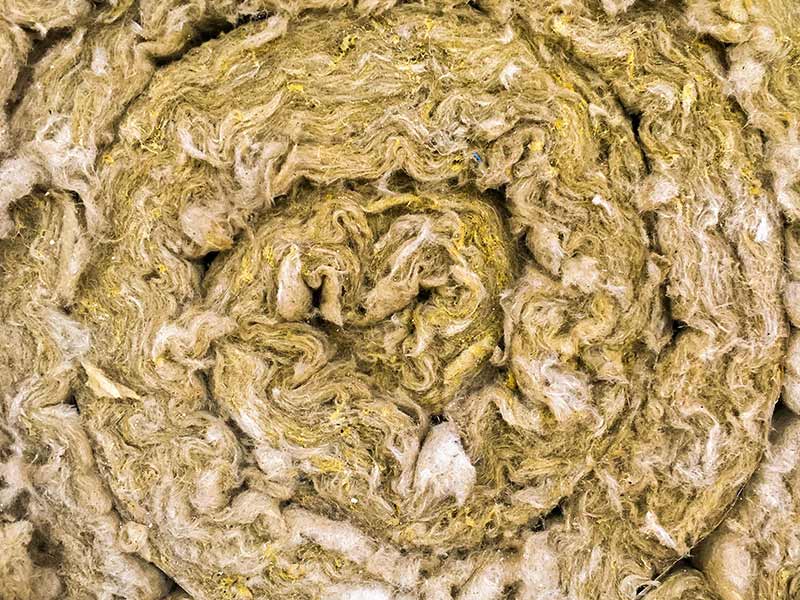
Fibrous or Fluffy Textures
Loose or spray-applied asbestos often looks soft, fuzzy, or layered. It may resemble gray or off-white insulation packed around:
- Pipes
- Ducts
- Boilers
Over time, these materials can appear frayed or stringy.
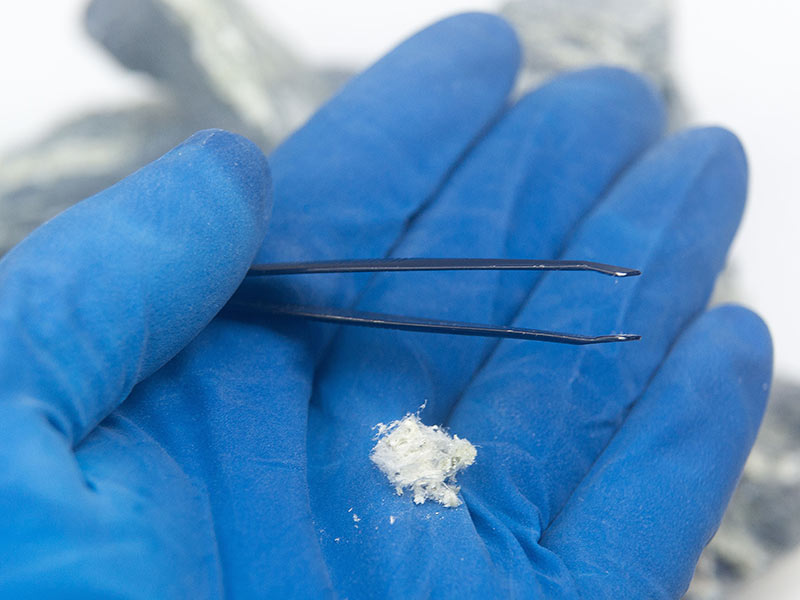
When disturbed, fibers may break apart into fine dust that settles slowly. Asbestos identification tips often warn that fibrous textures pose a higher risk when damaged.
Hard or Cement-Like Surfaces
Asbestos frequently appears bound into solid products such as cement boards, siding, or pipe coverings. These materials look dense and rigid rather than soft. Many have a gray tone with a rough or grainy finish.
In solid form, asbestos fibers remain locked inside until cracking or drilling occurs. Signs of asbestos in these materials often show up as:
- Chips
- Fractures
- Surface wear
Flat Tiles and Sheets
Floor tiles, ceiling panels, and wall sheets may contain asbestos that looks smooth and uniform. Vinyl tiles often measure nine by nine inches and range in color from tan to dark brown.

Ceiling panels may look speckled or lightly textured. Flat asbestos products rarely stand out unless damaged, which adds to the challenge of visual recognition.
Worn or Damaged Materials
Age changes how asbestos-containing materials look. Water exposure can cause swelling or discoloration. Heat may cause cracking or brittleness.
Repeated contact can lead to powdery residue near edges or seams. These visual changes raise asbestos safety concerns since damaged materials release fibers more easily.
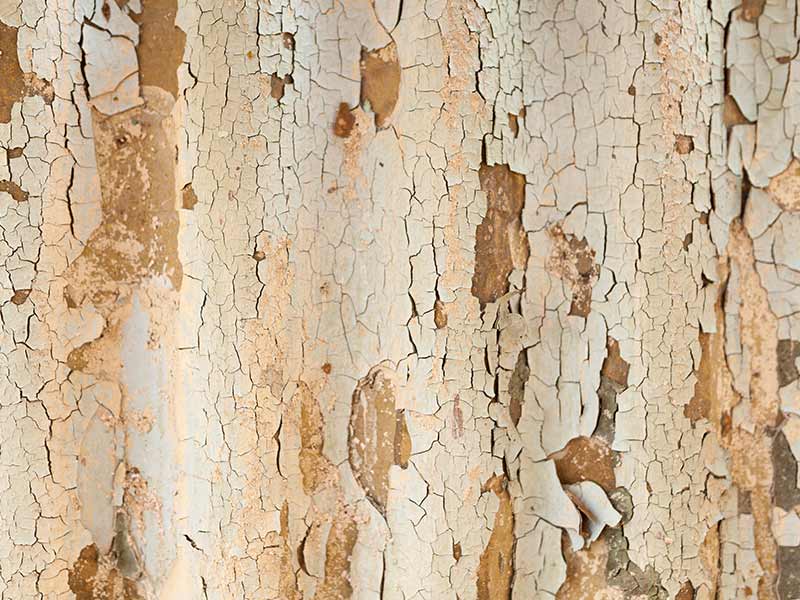
Color alone does not confirm asbestos. Materials may appear white, gray, brown, or blue-gray depending on composition and age. Lighting, paint, and surface coatings often mask underlying materials.
Visual clues help identify risk areas, yet asbestos detection methods rely on testing rather than appearance. Spotting possible signs of asbestos helps reduce accidental exposure and supports safer decisions around older building materials.
Common Materials That May Contain Asbestos
Asbestos appeared in a wide range of building products for decades, which makes it easy to overlook. Many materials that look ordinary today were once praised for durability, heat resistance, and insulation value. Knowing where asbestos in homes often hides helps narrow risk without relying on guesswork.
There are four common material categories where asbestos often appears:
- Insulation and pipe coverings
- Flooring and adhesives
- Ceilings and wall finishes
- Roofing and exterior materials
Insulation and Pipe Coverings
Thermal insulation ranks among the most frequent locations for asbestos. Older homes may contain asbestos wrapped around pipes, boilers, or ductwork. The material may look white, gray, or off-white with a fibrous texture.
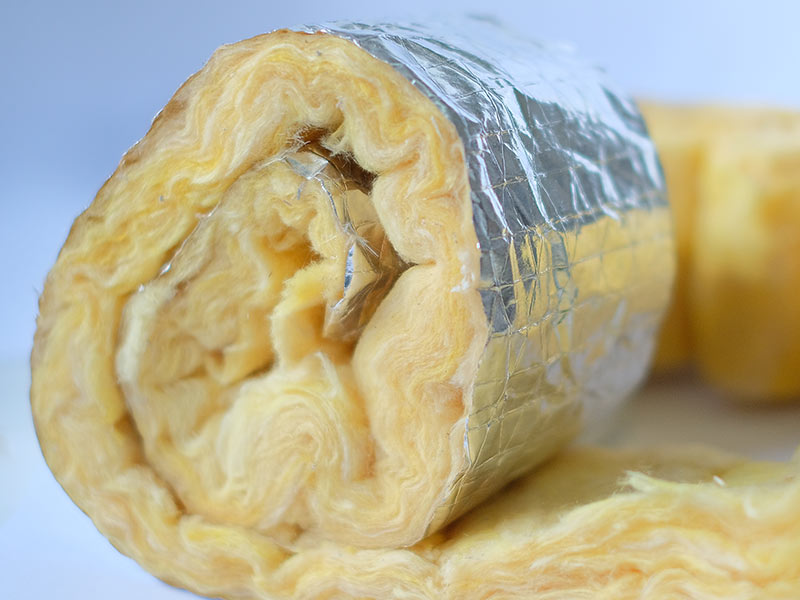
Some insulation appears solid and molded rather than fluffy. Signs of asbestos become more visible when the insulation:
- Cracks
- Frays
- Sheds dust
Areas near heating systems raise asbestos safety concerns when materials age or shift.
Flooring and Adhesives
Many vinyl floor tiles and the adhesives beneath them contained asbestos. Tiles often measure nine by nine inches and come in muted colors like:
- Brown
- Tan
- Gray
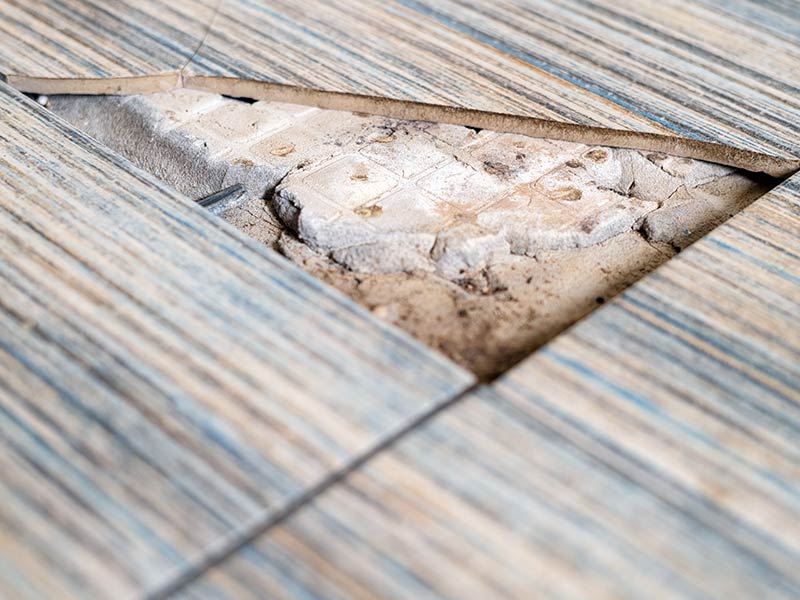
Adhesives may appear black and tar-like. Floors may look intact while asbestos remains hidden below the surface. Asbestos identification tips often highlight flooring layers since sanding or removal can release fibers without warning.
Ceilings and Wall Finishes
Textured ceilings and decorative wall coatings commonly included asbestos. Popcorn ceilings and sprayed finishes may look bumpy or uneven. Wall compounds used for seams and repairs sometimes contained asbestos as well.
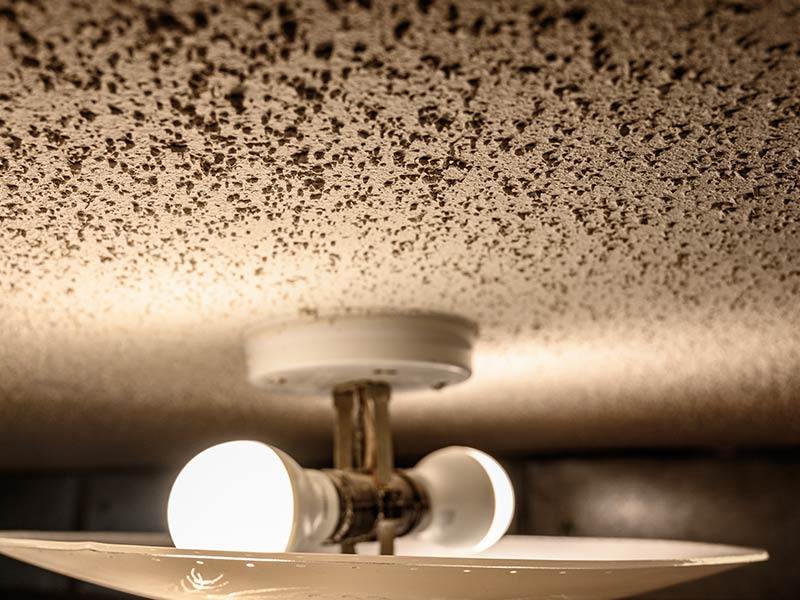
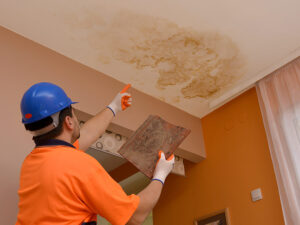
Damage from water leaks or repairs can expose fragile material. Signs of asbestos often appear as a crumbling texture or fine debris near cracks and joints.
Roofing and Exterior Materials
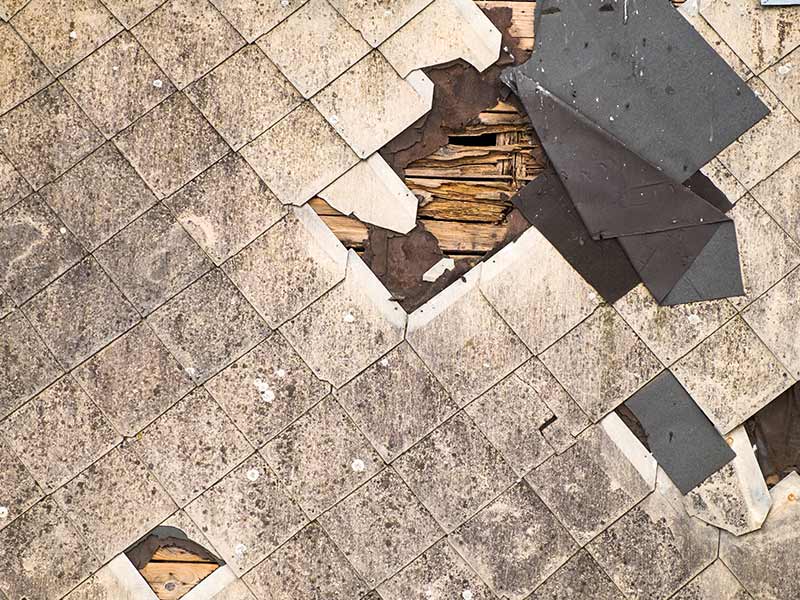
Roof shingles, siding panels, and cement boards frequently relied on asbestos for strength and weather resistance. These materials usually look hard and dense with a dull gray or cement tone.
Over time, exposure to weather may cause cracking or surface wear. Asbestos detection methods often focus on exterior products that break or chip during maintenance.
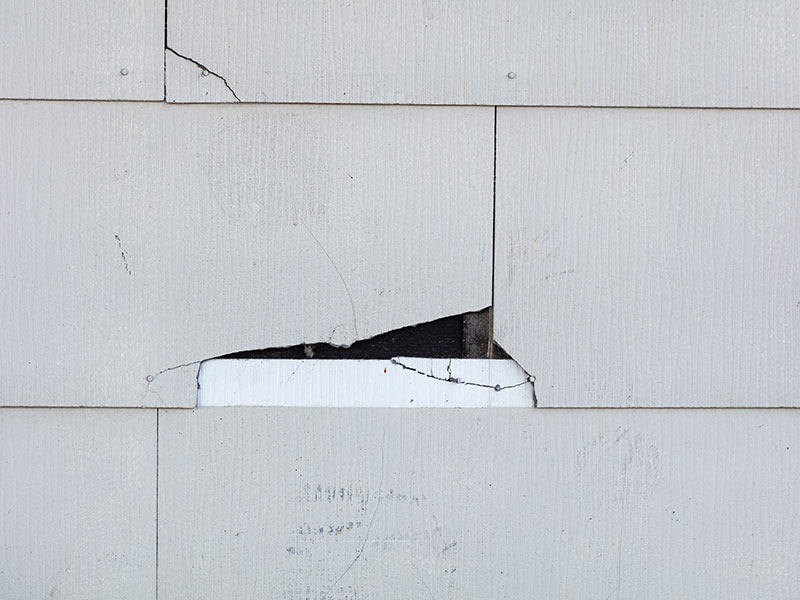
Paint, sealants, and coatings sometimes contained asbestos, too, though it rarely looks different from non-asbestos versions. Visual clues alone never confirm asbestos, yet recognizing common materials helps reduce accidental disturbance. Awareness of typical asbestos locations supports safer decisions during:
- Repairs
- Remodeling
- Inspections
Materials Commonly Mistaken for Asbestos
Many materials trigger concern even when asbestos is not present. Visual similarities and aging surfaces often lead to confusion, especially in older buildings. Knowing what asbestos is not plays a big role in reducing unnecessary alarms and supporting better asbestos identification tips.
- Fiberglass
- Mineral Wool
- Cellulose
Fiberglass Insulation
Fiberglass insulation ranks high on the list of materials mistaken for asbestos. It often appears fluffy or fibrous and comes in white, pink, or yellow tones. Unlike asbestos, fiberglass fibers feel springy and form thicker strands.
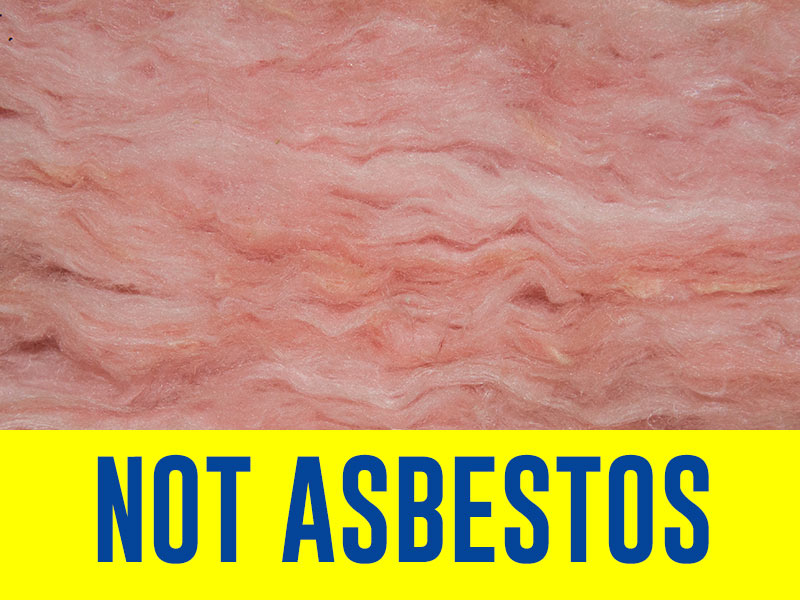
When disturbed, fiberglass tends to fall quickly rather than linger in the air. People sometimes confuse worn fiberglass with signs of asbestos, though texture and density often differ on close inspection.
Mineral Wool Insulation
Mineral wool insulation causes similar confusion. It looks gray or brown and may appear loosely packed around pipes or walls. Mineral wool feels coarse and heavier than asbestos insulation.
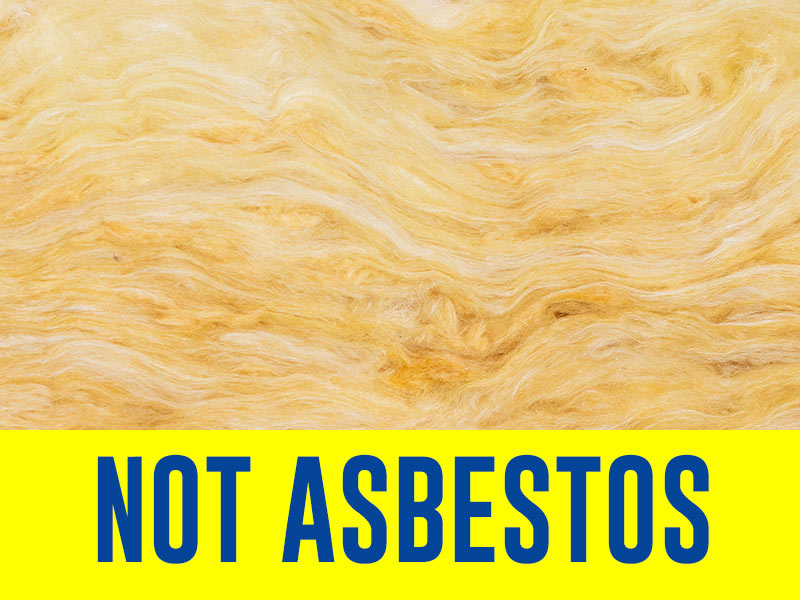
It resists moisture and fire, which adds to the mix-up. Many homes built after asbestos restrictions rely on mineral wool as a safer alternative, though age alone does not confirm material type.
Cellulose Insulation
Cellulose insulation often raises concern during attic inspections. Made from recycled paper, it appears dusty and gray with a shredded look. Settling over time can create uneven coverage that resembles deteriorating insulation.
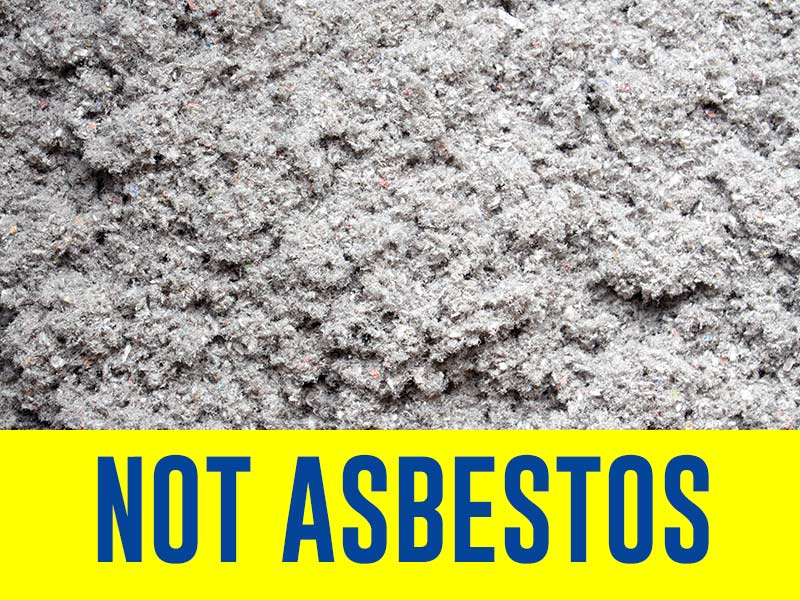
Cellulose breaks apart into paper-like fragments rather than fine mineral fibers. That difference helps separate it from asbestos during visual checks, though testing still offers clarity.
Cement, Plaster, and Drywall
Cement products without asbestos often fool homeowners. Modern fiber cement siding, backer boards, and panels resemble older asbestos cement materials. Newer versions contain cellulose or synthetic fibers instead of asbestos.
Without knowing the installation date, visual inspection alone leads to confusion. Asbestos detection methods focus on material composition rather than surface appearance for that reason.
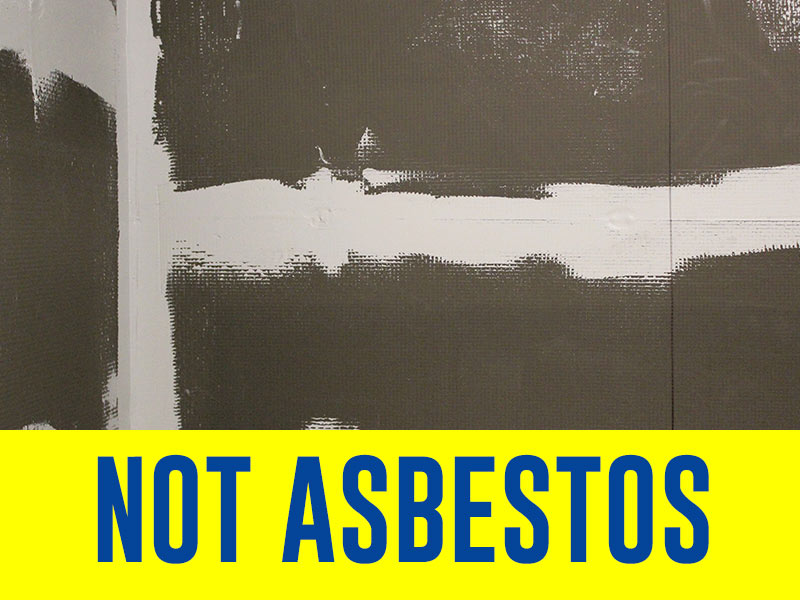
Plaster and drywall compounds cause concern, too. Older plaster may crack or crumble, leaving powdery debris that looks suspicious.
Many plaster mixes never contained asbestos, though some joint compounds did. Paint layers, dirt, and repairs further blur the line between safe materials and risk areas.
How Professionals Identify Asbestos
Identifying asbestos takes more than a careful look or a guess based on age. Trained professionals rely on controlled steps and lab testing to confirm what materials contain asbestos and which ones do not. That approach protects occupants and supports proper asbestos safety.
There are four main parts to professional asbestos identification:
- Initial visual assessment
- Material sampling and handling
- Laboratory testing methods
- Documentation and compliance
Initial Visual Assessment
Professionals begin with a site review to flag materials that match known asbestos use patterns. The focus stays on location, condition, and building age rather than surface appearance alone.
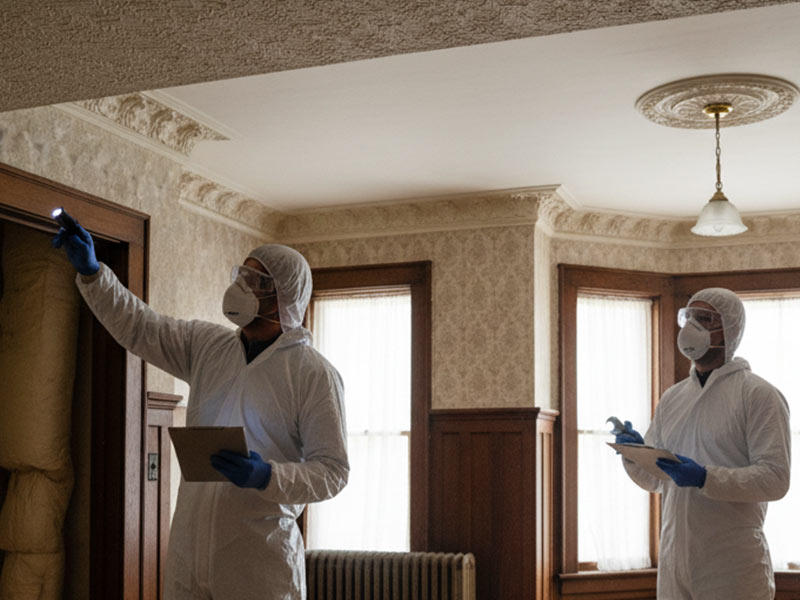
Inspectors look for wear, damage, or disturbance that may release fibers. Experience helps narrow down which materials deserve testing, yet no conclusions come from sight alone.
Material Sampling and Handling
When sampling is needed, trained inspectors collect small portions of suspect material under controlled conditions. Protective gear limits exposure during collection.
Tools reduce dust and prevent fibers from spreading. Samples go into sealed containers with clear labels.
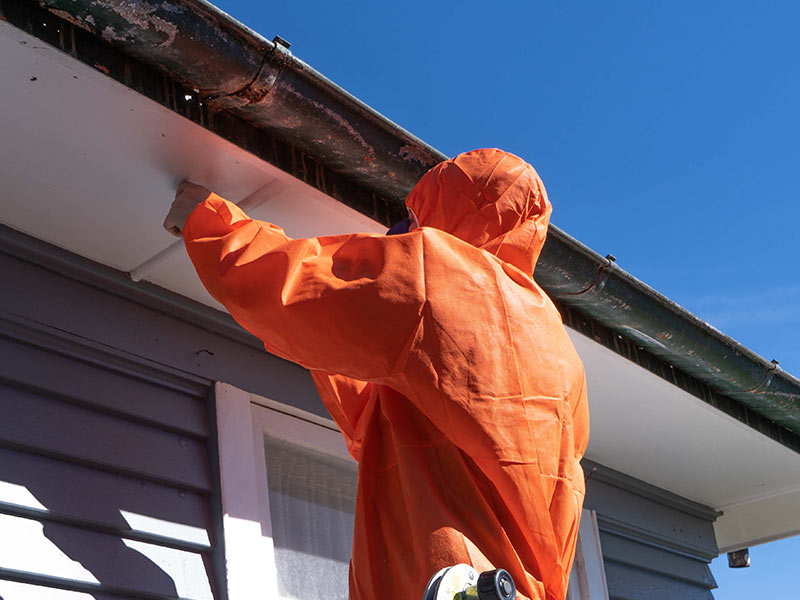
Careful handling matters since disturbing asbestos without controls raises health risks. Safe collection supports reliable asbestos detection methods.
Laboratory Testing Methods
Accredited labs analyze samples using specialized equipment. Polarized light microscopy remains a common testing method for building materials.

Transmission electron microscopy may appear in cases that need greater detail. Lab technicians identify fiber type and concentration rather than relying on color or texture. Results confirm asbestos presence or rule it out with clarity.
Documentation and Compliance
After testing, professionals provide written reports that outline:
- Findings
- Sample locations
- Material condition
Reports follow regulatory standards and help property owners plan next steps.
Clear documentation supports safe maintenance, renovation planning, or material management. Asbestos safety depends on accurate records that guide future work.
Professional identification reduces guesswork and lowers exposure risk. Visual clues point toward concern, yet asbestos detection methods rely on training and lab analysis for answers.
Why Asbestos Appearance Changes Over Time
Asbestos rarely looks the same years later than it did when first installed. Environmental exposure, normal wear, and human activity all affect how asbestos-containing materials age. Visual changes often raise concern and may signal a higher level of risk.
Three main forces alter asbestos over time:
- Environmental exposure
- Physical disturbance
- Material aging
Environmental Exposure
Moisture plays a major role in changing how asbestos looks. Leaks, humidity, and condensation can cause:
- Swelling
- Staining
- Surface breakdown
Materials near bathrooms, basements, or exterior walls tend to show damage sooner. Heat exposure near furnaces or boilers can dry materials out, which leads to cracking or brittleness. Signs of asbestos become more visible when environmental stress weakens binding agents.
Physical Disturbance
Contact speeds up deterioration. Drilling, sanding, or vibration from nearby work can break asbestos fibers loose.
Foot traffic near floor tiles or repeated access to utility areas wears down protective layers. Once disturbed, surfaces may appear:
- Frayed
- Dusty
- Uneven
Asbestos safety risks rise when the material shifts from stable to damaged.
Material Aging
Time alone affects asbestos products. Binders that once held fibers together slowly degrade.
Aging materials may lose color, become chalky, or crumble at the edges. Paint layers peel and expose older surfaces beneath. Asbestos detection methods often focus on aging materials since fiber release increases as materials weaken.
Appearance changes do not always signal immediate danger, yet they deserve attention. Stable materials may remain low risk, while damaged ones raise concern. Watching how asbestos looks over time helps spot potential problems before fibers spread into living spaces.
Asbestos Detection Experts
So, what does asbestos look like? It remains difficult to identify by sight alone, but awareness lowers risk. Recognizing where it appears, how it changes, and why testing matters supports safer decisions.
At 24-7 Restoration, we take pride in protecting the homes and properties that support our local communities. As homeowners ourselves, we treat every space with care and respect.
We provide reliable emergency restoration services while staying active in the cities we serve. Through ongoing training, industry certifications, and strong community partnerships, we continually improve our work so we can remain a trusted restoration team when it matters most.
Get in touch today to find out how we can help with your emergency home needs.