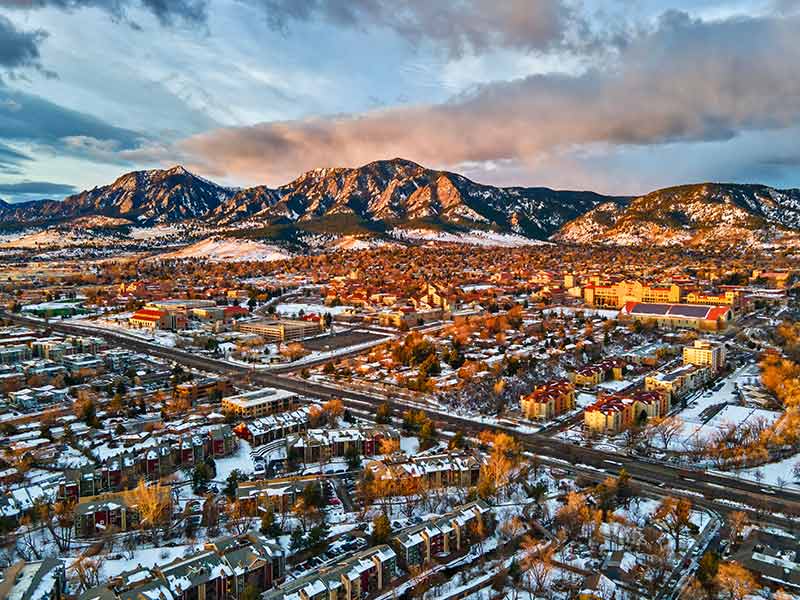
Boulder’s dry climate does not eliminate the risk of mold. Indoor moisture from snowmelt, condensation, and poor ventilation can still create ideal conditions for growth. Homes along the Front Range can develop hidden damp zones in basements, attics, and bathrooms, increasing the likelihood of black mold in the house.
According to the EPA, mold can begin growing within 24 to 48 hours after moisture exposure, showing how quickly a small leak can escalate into a serious issue. Have you ever assumed Colorado’s dry air protects your home from mold problems? Today, we’re taking a closer look at how Boulder’s environment interacts with modern homes and what that means for mold risk.
What Part of the House Is Most Susceptible to Mold Growth?
Moisture tends to collect in predictable areas inside a home, and those areas often become the first places where mold appears. Dry outdoor air in Boulder doesn’t stop indoor dampness from forming, so certain rooms still carry a higher risk. Paying attention to these zones helps homeowners prevent mold growth before it spreads.
There are several household areas where mold risk increases:
- Basements and crawl spaces
- Bathrooms and kitchens
- Attics and window areas
Basements and Crawl Spaces
Basements and crawl spaces sit close to soil that holds moisture year-round. Snowmelt along the Front Range can seep into foundations and raise humidity levels below ground.
Many basements feel dry to the touch while hidden damp air lingers behind walls or under flooring. Poor airflow traps that moisture and gives mold a place to grow.
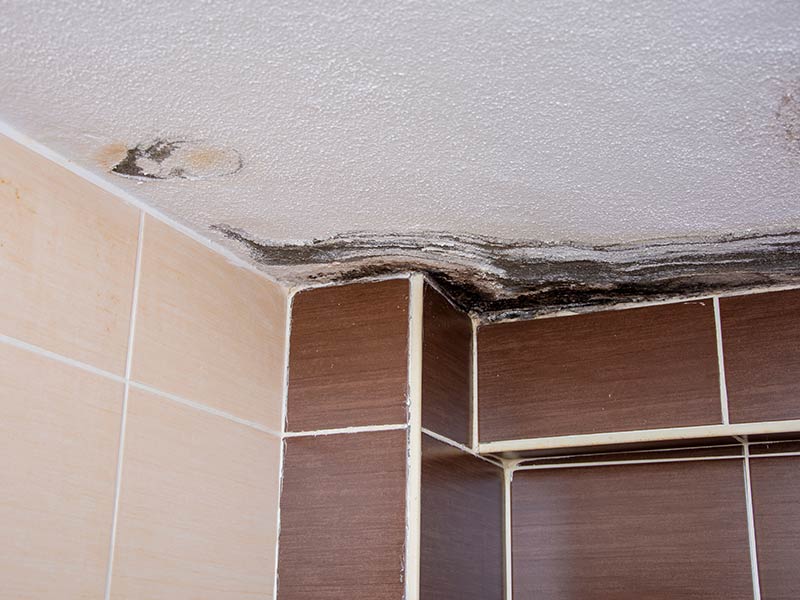
Early warning signs include musty smells and dark patches along corners. Long exposure in these spaces raises concern about black mold health effects, especially for people with asthma or allergies.
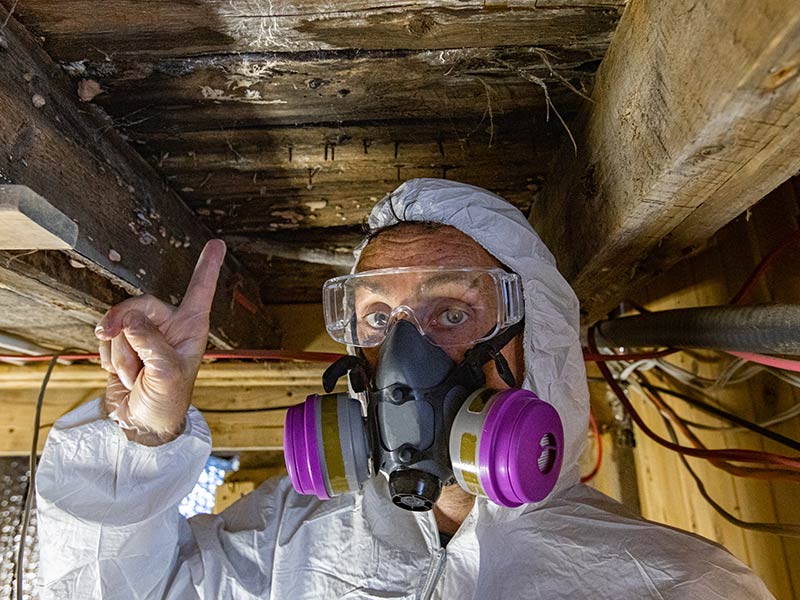
Bathrooms and Kitchens
Bathrooms and kitchens produce steam every day. Hot showers, cooking, and dishwashing release water vapor that settles on ceilings and cabinets. Without strong ventilation, that vapor sticks around and feeds mold spores.
Small leaks under sinks can stay unnoticed for months. Simple mold prevention tips include running exhaust fans and wiping down wet surfaces after heavy use.
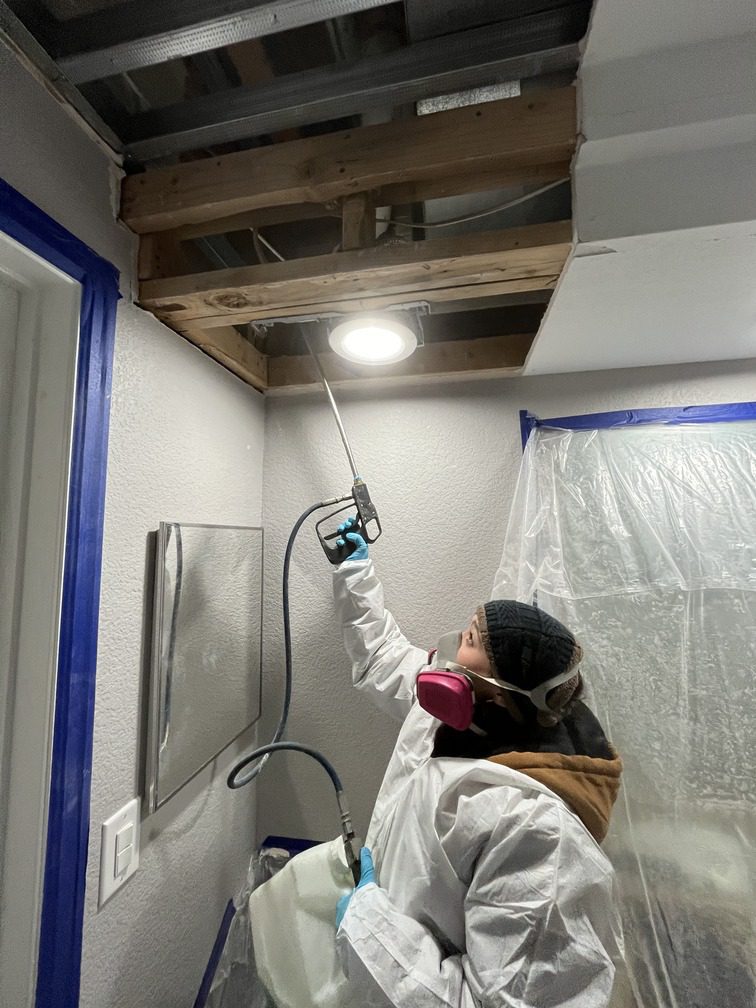
Attics and Window Areas
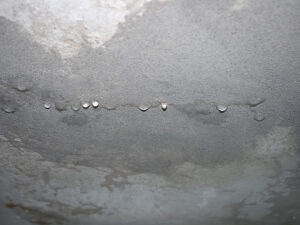
Attics collect condensation during sharp temperature swings. Warm indoor air rises and meets cold roof surfaces, which creates water droplets.
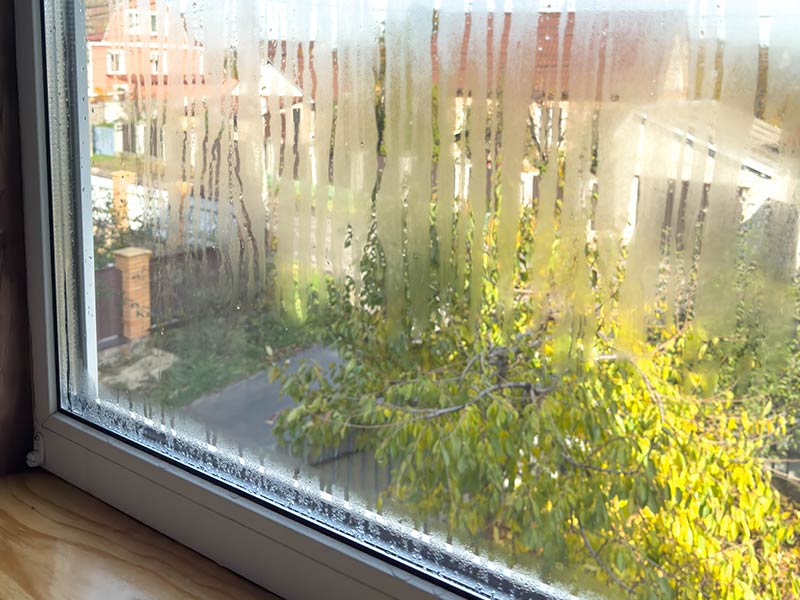
Window frames experience a similar cycle during winter. Repeated moisture can stain drywall and wood. Regular inspections and humidity control help prevent mold growth in these overlooked spots.
How Can Boulder’s Climate Still Encourage Black Mold in the House?
Boulder’s dry reputation hides a set of indoor risks that many homeowners overlook. Outdoor air may feel crisp and clean, yet moisture still builds inside sealed homes.
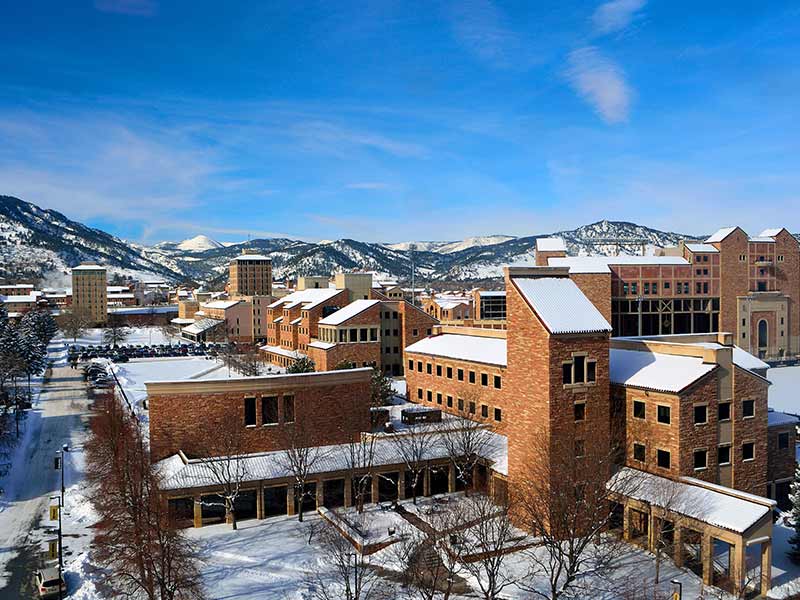
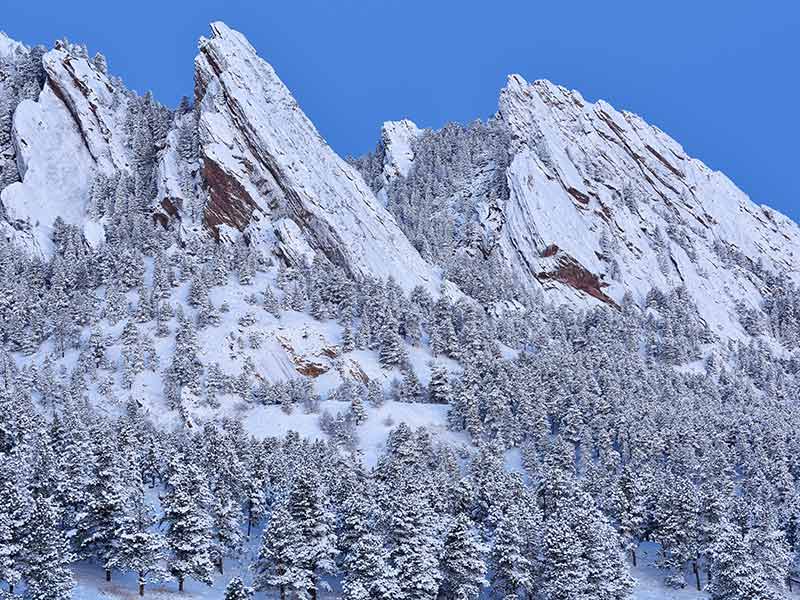
Heavy snow rests on roofs for long stretches during winter. Meltwater slips under shingles and seeps into attic spaces. Ice dams trap water along roof edges and force moisture into insulation.
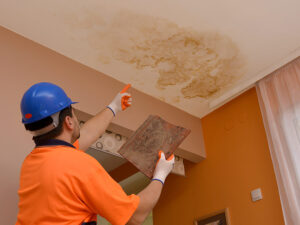
Homeowners rarely see the damage until stains appear on ceilings. Damp insulation holds water for weeks and feeds hidden mold colonies. Repeated exposure raises concern about the dangers of black mold inside enclosed attic air.
Rapid Temperature Swings
Boulder weather shifts fast from warm days to freezing nights. Warm indoor air rises and meets cold surfaces in attics and wall cavities. That meeting point produces condensation that soaks wood and drywall.
Moisture gathers in places people rarely inspect. Over time, those wet pockets support mold growth. Cracks in foundations from soil movement can guide water into basements and crawl spaces.
Indoor Humidity Spikes
Summer storms and evaporative coolers raise indoor humidity within hours. Humidifiers used during winter add more moisture than many people realize.
Without airflow, humidity stays trapped and feeds spores. Residents who monitor humidity and follow mold prevention tips can prevent mold growth before colonies spread. Regular checks help reduce black mold health effects tied to long exposure.
Practical Strategies to Reduce Mold Risk in Dry Climates
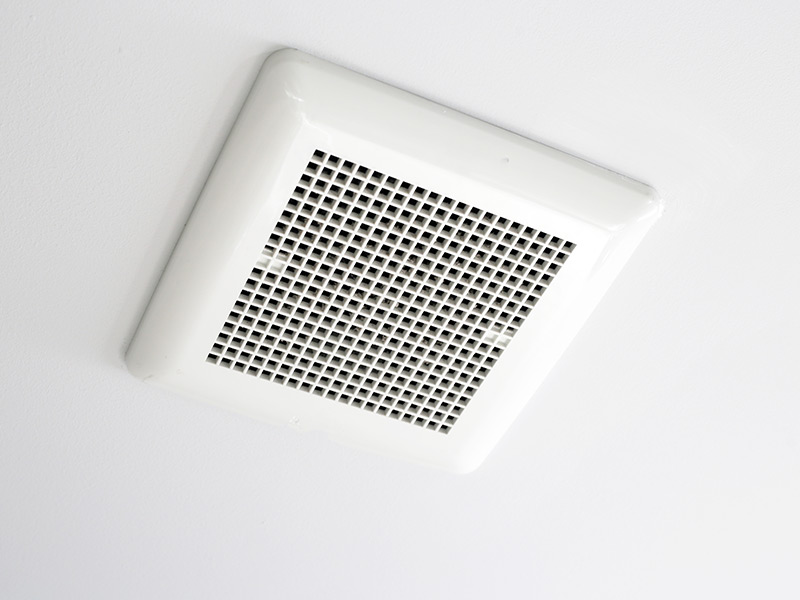
Air needs a clear path to move through kitchens, bathrooms, and basements. Exhaust fans push humid air outside before it settles on surfaces. Windows opened during mild weather help flush out trapped moisture.
Attics benefit from proper vent systems that release warm air before condensation forms. Steady airflow remains one of the simplest mold prevention tips for any climate. Homes that circulate air well prevent mold growth more easily than sealed spaces with stagnant air.
Moisture Monitoring and Repair
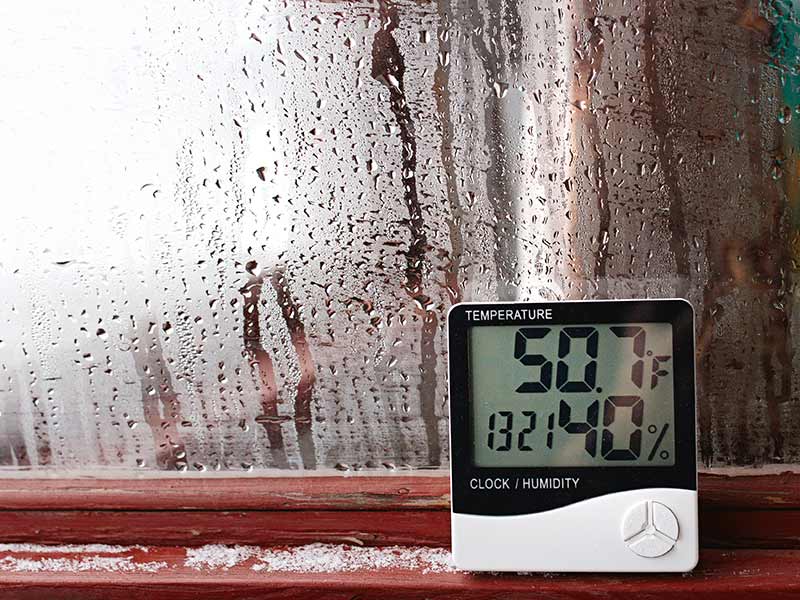
Humidity meters give quick feedback about indoor conditions. Readings above fifty percent signal a growing risk. Small plumbing leaks create steady moisture that feeds mold colonies behind walls.
Roof damage after storms can drip into insulation for months. Regular inspections catch these problems early and reduce the dangers of black mold spreading unnoticed.
Removing Black Mold Safely
Snowmelt, condensation, and indoor humidity still create conditions where black mold in the house can grow. Steady monitoring, airflow, and early repairs protect both the structure and the people living inside it.
At 24-7 Restoration, we provide trusted restoration services across Boulder County, helping homeowners recover from water, fire, storm, mold, and biohazard damage. Services include water extraction and drying, fire and smoke cleanup, storm repair, sewage cleanup, mold remediation, and safe biohazard removal. We focus on restoring homes quickly while protecting the health and safety of everyone inside.
Get in touch today to find out how we can help with your mold removal needs!